INL partners with Amazon to develop autonomous nuclear reactors
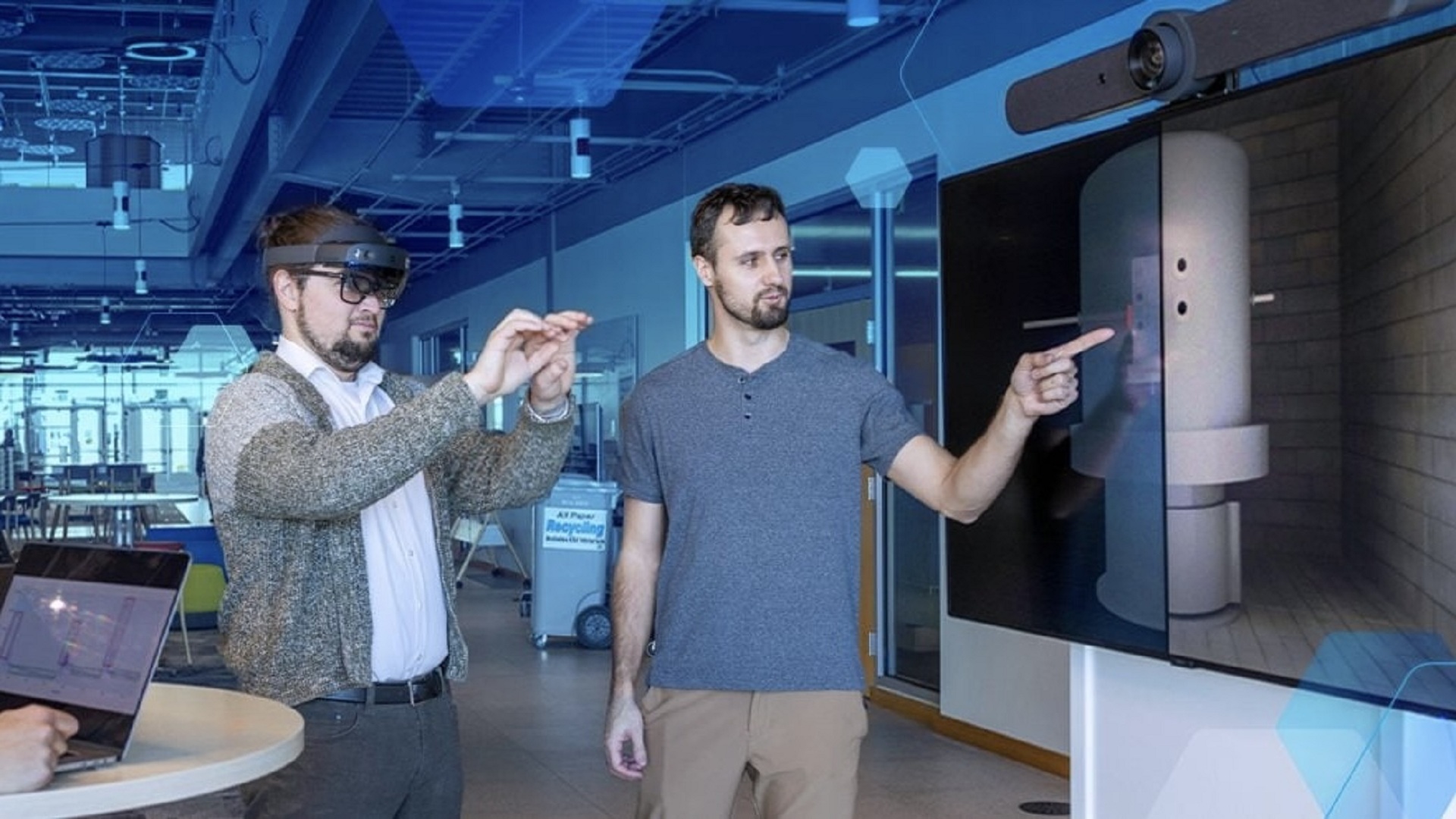
A New Era for Nuclear Energy: AI Meets Reactor Technology
The United States is making a bold move to harness the power of artificial intelligence (AI) in the field of nuclear energy. At the forefront of this transformation is the Idaho National Laboratory (INL), which has recently entered into a strategic partnership with Amazon Web Services (AWS). This collaboration aims to revolutionize the way nuclear systems are developed, operated, and maintained.
Expanding the Role of AI in Nuclear Innovation
The agreement between INL and AWS marks a significant step in integrating advanced AI technologies into nuclear research and development. By leveraging AWS’s cloud infrastructure and foundation models, INL seeks to develop AI tools that will enable the next generation of autonomous nuclear systems. The goal is to reduce costs, shorten project timelines, and ultimately create self-operating nuclear plants that are more efficient and reliable.
This initiative is part of a broader effort to modernize the nuclear sector, which has long been hampered by bureaucratic challenges and costly overruns. AI is now being used to rethink how nuclear energy is designed, built, and managed. According to INL Director John Wagner, the partnership with AWS represents a major advancement in the integration of AI into nuclear research.
“Our collaboration with Amazon Web Services marks a significant leap forward in integrating advanced AI technologies into our nuclear energy research and development initiatives,” said Wagner. “This collaboration underscores the critical role of linking the nation’s nuclear energy laboratory with AWS. By leveraging AWS’s cutting-edge cloud computing and AI solutions, we can accelerate nuclear energy deployment for America.”
Digital Twins and Real-Time Data
One of the key components of this partnership is the development of digital twins—virtual replicas of physical systems. INL will use AWS tools such as Bedrock, SageMaker, and custom-built chips like Inferentia and Trainium to create a digital twin of a small modular reactor (SMR). These virtual models will be trained on real-time data to support modeling, simulation, and eventually, safe autonomous operations of reactors ranging from 20 to 300 megawatts.
Chris Ritter, division director of Scientific Computing and AI at INL, highlighted the benefits of working with AWS. “Through this collaboration with AWS, we have access to AI models, GPUs, and specialized cloud services, which will enable INL researchers to use many leading foundation models to build nuclear energy applications,” he said. “Amazon offers customized chips such as Inferentia and Trainium, specialized tools such as Amazon Sagemaker, and solution architects to partner our laboratory with the commercial AI industry.”
Building an AI-Nuclear Ecosystem
The partnership is part of INL’s broader vision to create an AI-nuclear ecosystem that connects Department of Energy (DOE) labs, tech companies, and energy developers. The objective is to develop AI-powered nuclear reactors that are faster to build, safer to operate, and smarter in design.
This effort is not isolated. Recently, Westinghouse also partnered with Google Cloud to combine the tech giant’s AI platforms with Westinghouse’s proprietary nuclear data and tools. This collaboration aims to speed up the construction of its AP1000 and microreactor systems. These back-to-back deals highlight the growing importance of AI in shaping the future of U.S. nuclear strategy.
Supporting AI-Driven Power Demand
The push to modernize nuclear energy infrastructure is part of a larger effort to meet the rising demand for AI-driven power. In May 2025, President Donald Trump signed a series of executive orders aimed at streamlining reactor permitting, expanding domestic nuclear fuel production, and accelerating licensing for advanced nuclear technologies.
This momentum continued in July with the release of a national AI Action Plan, which identified reliable and dispatchable energy sources—including nuclear power—as essential for supporting the growth of data centers and maintaining U.S. technological competitiveness.
Conclusion
As the U.S. continues to invest in AI and nuclear energy, the collaboration between INL and AWS represents a pivotal moment in the evolution of clean, sustainable power. By combining the strengths of cloud computing, AI, and nuclear engineering, the country is positioning itself at the forefront of a new era in energy innovation.

Post a Comment for "INL partners with Amazon to develop autonomous nuclear reactors"
Post a Comment