Indiana's College Enrollment Plummets to 51.7%
Declining College-Going Rates in Indiana Raise Concerns
Recent data from the Indiana Commission for Higher Education (CHE) has revealed a significant drop in the percentage of high school graduates from the Class of 2023 who enrolled in college within a year of graduation. The rate, at just 51.7%, marks the lowest in recent history and represents a continued decline from the previous plateau of 53% between 2020 and 2022. This is far below the state’s peak of 65% a decade ago.
The data highlights a growing concern among state leaders about the shift in focus toward career credentials and work-based learning, which has contributed to a weakening college-going culture in Indiana. The numbers show that around 36% of all graduating seniors enrolled in one of Indiana’s public four-year institutions, while 8% chose a private college or university. Another 7.6% opted to attend schools outside of Indiana.
Political Reactions and Policy Changes
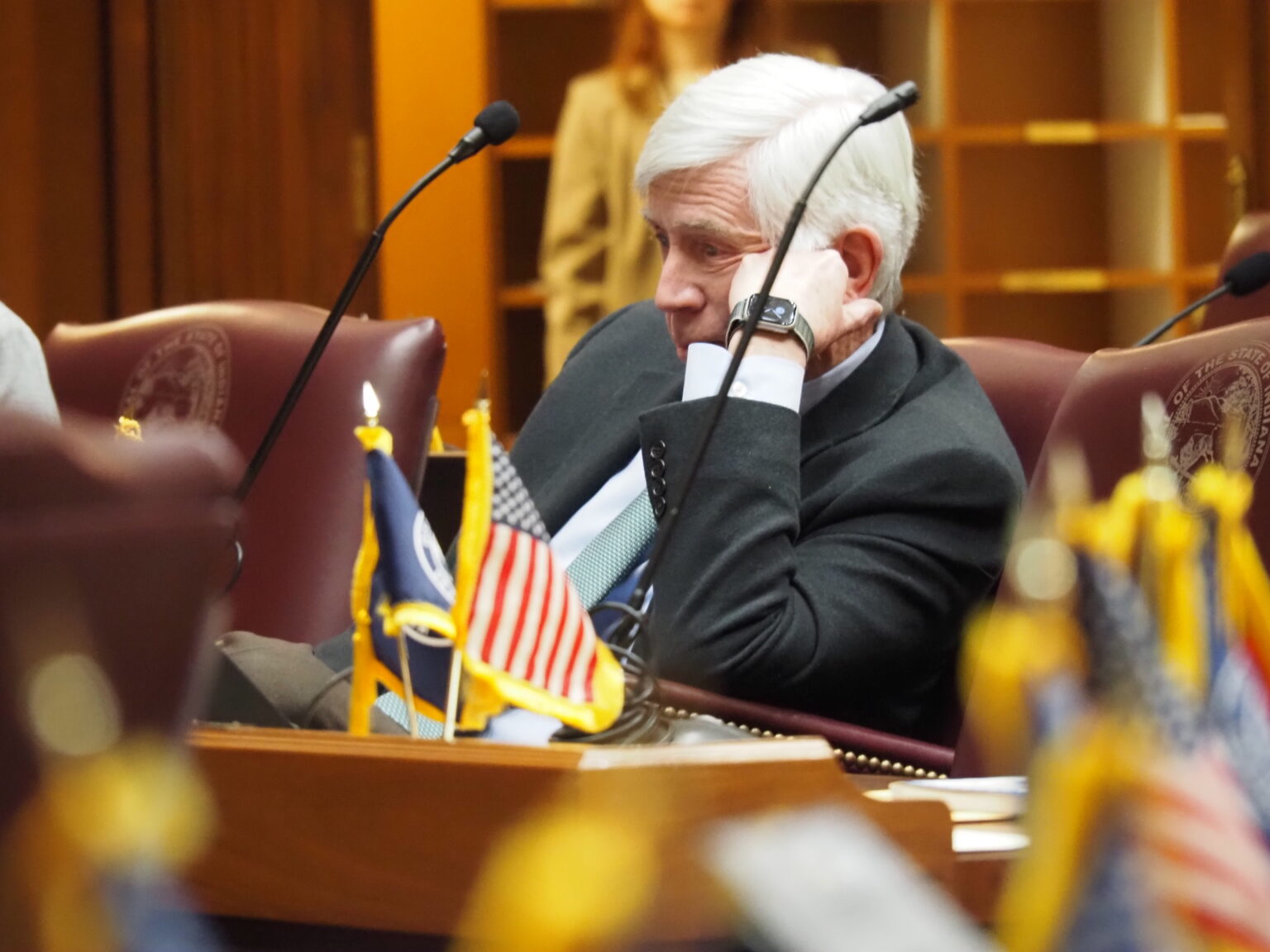
Rep. Ed DeLaney, a Democrat from Indianapolis, criticized the drop in college enrollment rates, attributing it to a lack of financial support and morale. He pointed out that while the governor has taken credit for freezing tuition at state universities, there is no guarantee that this move will not reduce financial aid and scholarship opportunities. DeLaney argued that without sufficient tuition support, more students would be unable to afford college and might have to pursue alternative paths.
The 2023 data comes after the higher education commission approved sweeping changes to Indiana’s high school diploma, set to take effect in 2029. These changes emphasize work-based learning and career readiness over traditional college preparation. High school students will now need to earn at least one “diploma seal” to graduate, with options including employment or postsecondary readiness. While some seals are geared toward college-bound students, the requirement to complete all coursework typically expected for college admission has been removed.
DeLaney accused Republican leaders of devaluing the opportunities provided by colleges and universities. He noted that the supermajority has focused on attacking colleges and universities as part of a broader culture war agenda, including restricting what can be taught in classrooms and eliminating degree options. He also criticized the CHE for not issuing a press release on the latest data, suggesting that the agency is not taking the issue seriously.
Data Insights and Trends
According to the data published on the CHE’s online college-going dashboard, the majority of 2023 graduates who continued their education earned college credit while still in high school. For example, 85.6% took and passed an Advanced Placement exam, and 64.6% earned dual credit. Additionally, 90.7% earned the Indiana College Core diploma, which provides 30 general education credits transferable across the state. 86.3% earned an associate’s degree, and 63.6% obtained another type of credential.
In terms of academic fields, 25% of postsecondary enrollees were pursuing STEM-related degrees, followed by 17.8% in business and communications, 16% in health programs, 11% in social and behavioral sciences, 9.9% in arts and humanities, 7.4% in trades, and 5.8% in education. An additional 7% were undecided about their major.
Gender disparities were also evident, with college-going rates dropping to 45% for male students compared to 59% for female students. Among racial groups, Asian and white students had the highest rates at 70.7% and 54%, respectively. Black and Hispanic students had lower rates at 45.5% and 41.7%. Students from low-income backgrounds, as measured by eligibility for free or reduced lunch, had a college-going rate of 38.7%, compared to 60% for their higher-income peers.
Scholarships and Persistence Rates
More than 78% of college-bound graduates from the 2023 cohort were part of Indiana’s 21st Century Scholars program, which covers full tuition and fees for low-income students who enroll in the 8th grade. The data also included an update on the Class of 2022, showing that 53% of those who enrolled in a postsecondary program met early college success benchmarks. Additionally, 77.5% of the 2022 cohort persisted to their second year of schooling.
These trends underscore the ongoing challenges facing Indiana’s higher education system and the need for policy changes to address declining college enrollment rates. As the state continues to shift its focus toward workforce development, the balance between college and career pathways remains a critical issue for students, educators, and policymakers alike.

Post a Comment for "Indiana's College Enrollment Plummets to 51.7%"
Post a Comment