Indiana leaders embrace EPA's climate change policy shift
The EPA's Proposed Rollback on Climate Change Regulations
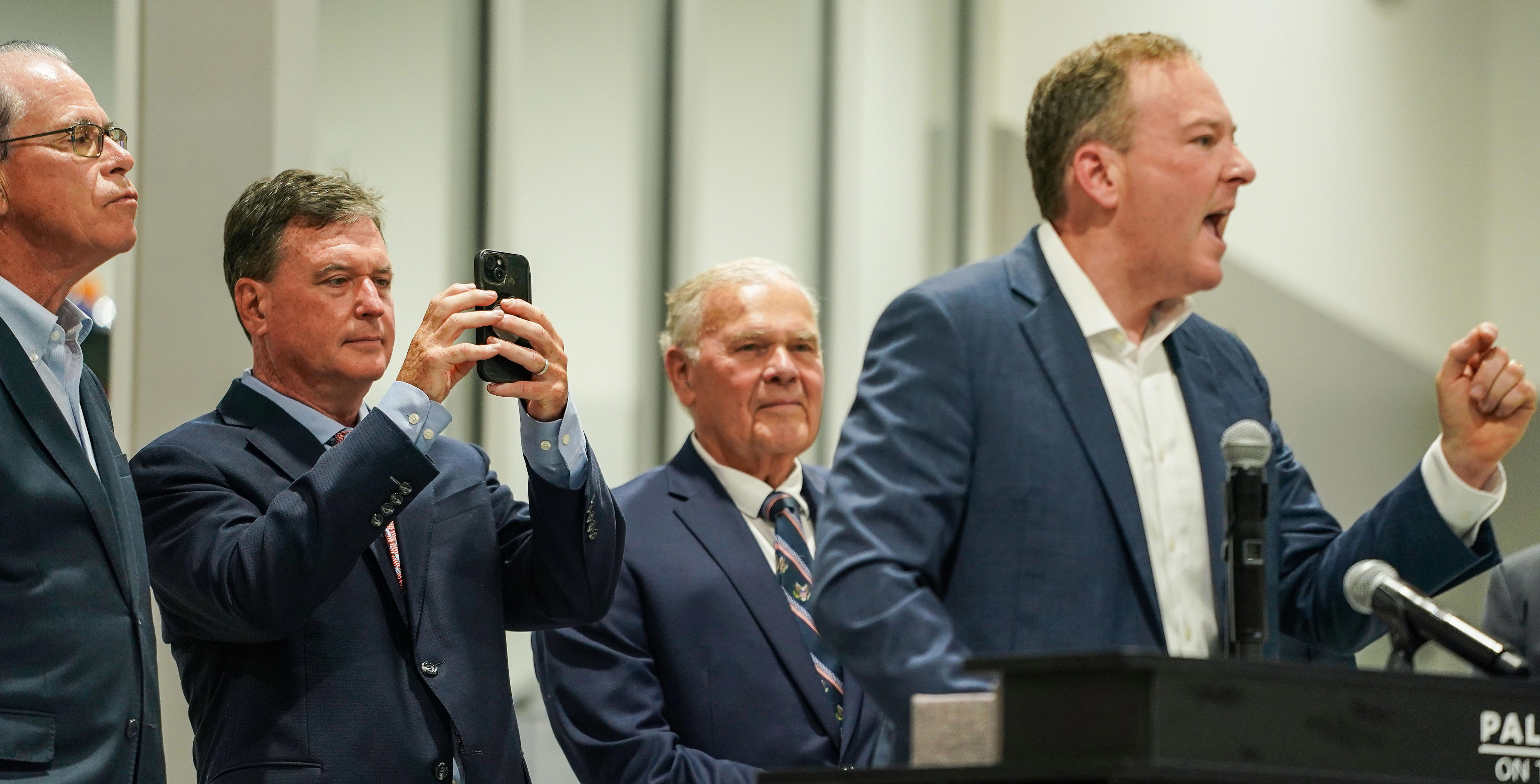
The Environmental Protection Agency (EPA) has proposed eliminating a key rule that has guided the nation’s efforts to combat climate change. This move was announced during a visit by EPA Administrator Lee Zeldin to an Indianapolis auto dealership on July 29. The rule in question, known as the 2009 endangerment finding, established the framework for regulating greenhouse gas emissions under the Clean Air Act.
Zeldin stated that if finalized, this announcement would be the largest regulatory action in U.S. history. He argued that the original findings relied on assumptions that were not scientifically accurate. According to him, the predictions made about the impact of greenhouse gases were overly pessimistic and have since been proven incorrect.
Environmental advocates strongly disagree with this assessment. They argue that the move is a severe blow to clean air protections and will worsen climate change, endanger public health, and potentially slow economic growth. The Sierra Club called the effort “the most direct assault thus far on the movement to mitigate the climate crisis.”
Indiana’s Role in the Controversy
Indiana Governor Mike Braun, who previously ran an automotive parts company involved in a Clean Air Act legal battle, expressed enthusiasm about the EPA’s decision. He described the move as a positive step for the state’s auto manufacturing industry, which could benefit from reduced emission regulations.
Suzanne Jawaroski, Indiana’s secretary of energy and natural resources, highlighted the state’s model of balancing economic growth with environmental concerns. However, it is worth noting that Indiana ranks below all other states in terms of its natural environment, according to a US News report.
Understanding the Endangerment Finding
Greenhouse gases were not always classified as air pollutants under the Clean Air Act. Concerns over rising motor vehicle emissions led to a petition in the early 2000s asking the EPA to regulate these gases. The EPA initially rejected the petition, arguing that greenhouse gases did not qualify as air pollutants under the act.
After litigation, the Supreme Court ruled in 2007 that greenhouse gases are indeed air pollutants. This led to the 2009 endangerment finding, which gave the EPA authority to regulate six greenhouse gases, including carbon dioxide, methane, and nitrous oxide.
At the time, the EPA considered the full weight of scientific evidence and concluded that these gases posed a threat to human health and welfare. Then-EPA Administrator Lisa Jackson cited reports from the U.S. Global Climate Research Program, the Intergovernmental Panel on Climate Change, and the National Research Council as supporting evidence.
Indiana’s Opposition to the Endangerment Finding
Indiana has long opposed the endangerment finding. Before its finalization in 2009, the state submitted comments expressing disagreement with the scientific basis of the finding. Thomas Easterly, then-head of the Indiana Department of Environmental Management (IDEM), argued that the science supporting the finding was not sound.
Despite the state’s concerns, the endangerment finding was finalized later that year. Since then, climate change research has advanced significantly. NASA has determined that the current rate of warming is unprecedented compared to 10,000 years of Earth’s history.
However, Indiana has continued to push for the deregulation of greenhouse gas emissions. IDEM Commissioner Clint Woods contributed to a chapter of The Heritage Foundation’s Project 2025, which recommended updating the 2009 endangerment finding. In March, the Trump administration initiated a formal reconsideration of the finding, and this month, IDEM participated in a meeting with the federal Office of Information and Regulatory Affairs to discuss Indiana’s perspective.
Economic Arguments for Deregulation
Zeldin’s tenure at the EPA has focused on deregulation to promote economic growth. Governor Braun and Attorney General Todd Rokita have praised his efforts to align the agency with Trump’s policies. The Indiana Manufacturers Association also supported the proposal, claiming it would remove burdens that hindered economic growth.
Ashton Eller, vice president of governmental affairs at the Indiana Manufacturers Association, argued that burdensome regulations cost jobs, increase energy prices, and are counterproductive. He described the move as a significant victory for manufacturers and large stationary sources facing high regulatory costs.
Environmental Advocates Oppose the Rollback
Several environmental organizations and Democratic lawmakers have criticized the EPA’s proposal. Rep. Carey Hamilton, a Democrat from Indianapolis, called the move shortsighted, both from a health and economic perspective. She noted that China is leading in clean energy manufacturing and warned that the rollback could threaten Indiana’s investments in electric vehicle batteries and solar panels.
Rep. Sue Errington, a Democrat from Muncie, emphasized that summers in Indiana are already hotter and more dangerous than a decade ago. She argued that eliminating greenhouse gas standards would accelerate climate change and harm public health.
Conclusion
The debate over the endangerment finding highlights the ongoing tension between environmental protection and economic interests. While some see deregulation as a path to economic growth, others view it as a dangerous step backward in the fight against climate change. As the EPA moves forward with its proposal, the implications for public health, the economy, and the environment remain a subject of intense scrutiny.

Post a Comment for "Indiana leaders embrace EPA's climate change policy shift"
Post a Comment