Idaho's Divider-General Labrador Signals Exclusion | Opinion
A Message of Inclusion Under Fire
The phrase "Everyone Is Welcome Here" might seem like a simple, straightforward message. However, in the current political climate, it has become a flashpoint for controversy, especially in Idaho. The banner itself features hands and arms of different colors, symbolizing diversity and inclusion—values that have long been part of Idaho’s identity. But now, these values are under threat from what some call “Trump’s war on DEI” (Diversity, Equity, and Inclusion).
Boise, like much of the West, was built by people who came from other places. Its history is marked by immigrants and newcomers who were welcomed into the community. Today, the Boise school district serves students who speak 84 different languages, many of whom come from families with diverse backgrounds. For these students, the message of inclusion is more than just a slogan—it's a reminder that they belong.
This message takes on even greater significance for students whose families may have arrived as refugees or immigrants seeking a better life. Whether they are African farmers selling their goods at the Boise market or children of different races, languages, or religions, seeing a sign like this can be reassuring in a classroom where most students may not share their experiences.
The Church of Jesus Christ of Latter-Day Saints, which has deep roots in the region, also echoes this message. Members of the church often go on missions to foreign lands, spreading their faith and welcoming others. This tradition of inclusion is not new, but it is now being challenged by legislation that seeks to silence such messages.
A Teacher's Stand
One of the most visible examples of this conflict occurred in the classroom of Sarah Inama, a sixth-grade history teacher at Lewis and Clark Middle School in Meridian. She hung the "Everyone Is Welcome Here" banner in her classroom, only to be told by the district superintendent to remove it. The reason? A recent state law that prohibits displaying banners or flags representing "political, religious, or ideological views."
Republicans in the Idaho Legislature passed this law, and a compliant governor signed it into effect. Inama refused to comply and eventually resigned. She later found a new position at East Junior High, but the battle over the banner did not end there.
The Role of Idaho’s Attorney General
Idaho’s Attorney General, Raúl Labrador, has taken a strong stance against the banner. He recently published a guest opinion piece in the Idaho Statesman, claiming the sign violates state law. His comments have deepened the divide between Idahoans who value inclusivity and those who support stricter interpretations of the law.
Labrador accuses educators of having "political agendas," but the message on the banner is simple: a teacher showing support for all students, regardless of background. To label it as an "ideological movement" seems unnecessarily harsh. It's hard to see how a statement of welcome could be considered anything but positive.
A Community Divided
The controversy has sparked debate across the state. Some residents proudly display similar signs in their neighborhoods, sending a clear message of acceptance. Others, like Labrador, see them as a threat to traditional values. This division is particularly troubling given the current national climate, where policies under Trump have led to increased scrutiny of immigrants and minorities.
In Boise, the message of inclusion is more important than ever. As ICE agents round up Latino communities across the country, the need for a welcoming environment becomes even more urgent. Instead of fueling fear, leaders should be working to bridge divides and promote unity.
A Call for Leadership
Idaho needs leaders who stand for inclusion and reject the rhetoric of division. The current administration, however, has chosen to side with those who seek to undermine the values of kindness and generosity. By labeling a simple sign as an ideological threat, they are echoing the same kind of fear-mongering that has historically fueled xenophobia.
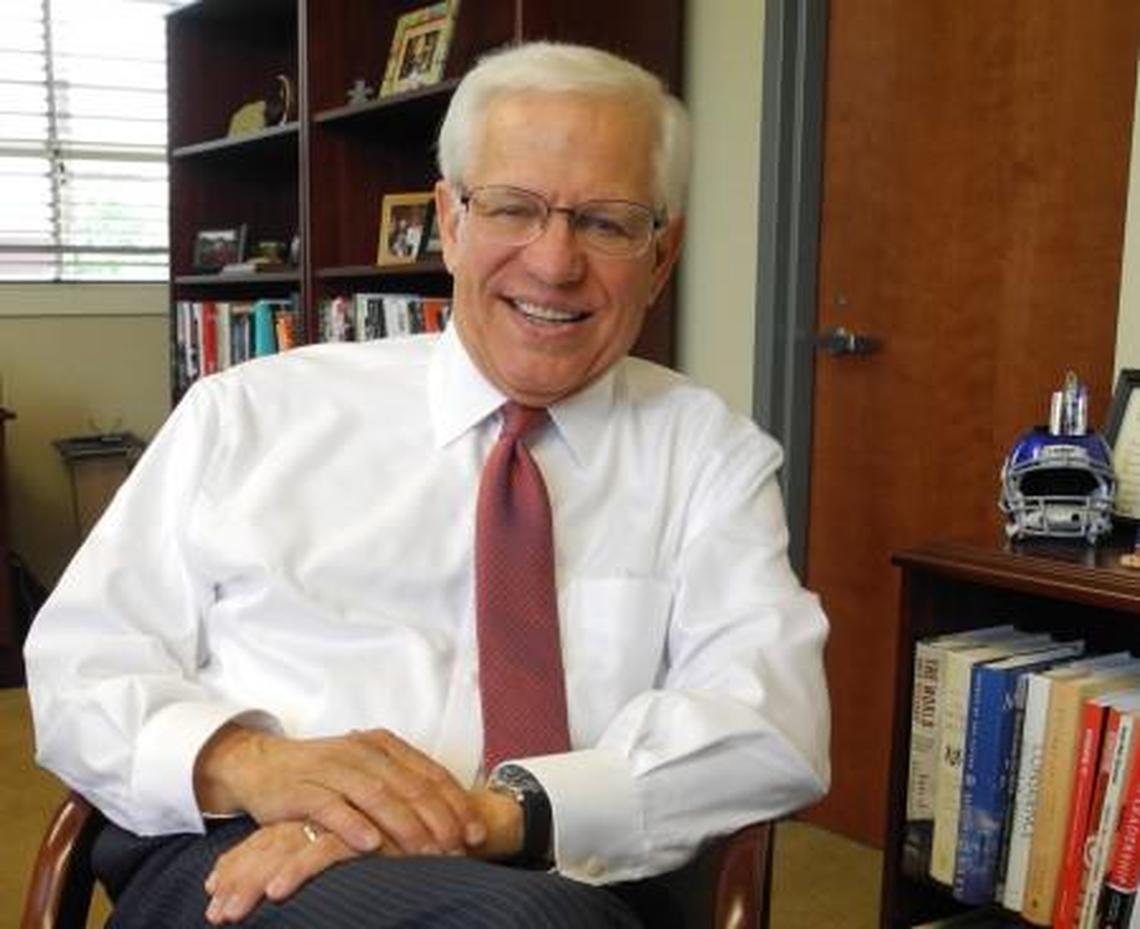
Bob Kustra, a former president of Boise State University and longtime advocate for education, has spoken out against this trend. He emphasizes the importance of standing up for the values that make Idaho a welcoming place. As he points out, the message of "love thy neighbor" is one that should unite rather than divide.
In a time when the nation faces deep divisions, Idaho must choose its path carefully. Will it embrace the spirit of inclusion, or will it allow fear and ideology to dictate its future? The answer to that question may determine the kind of state it becomes.

Post a Comment for "Idaho's Divider-General Labrador Signals Exclusion | Opinion"
Post a Comment