Idaho College Murders: Victims Unrecognizable in New Documents
The Horrifying Details of the Idaho College Murders
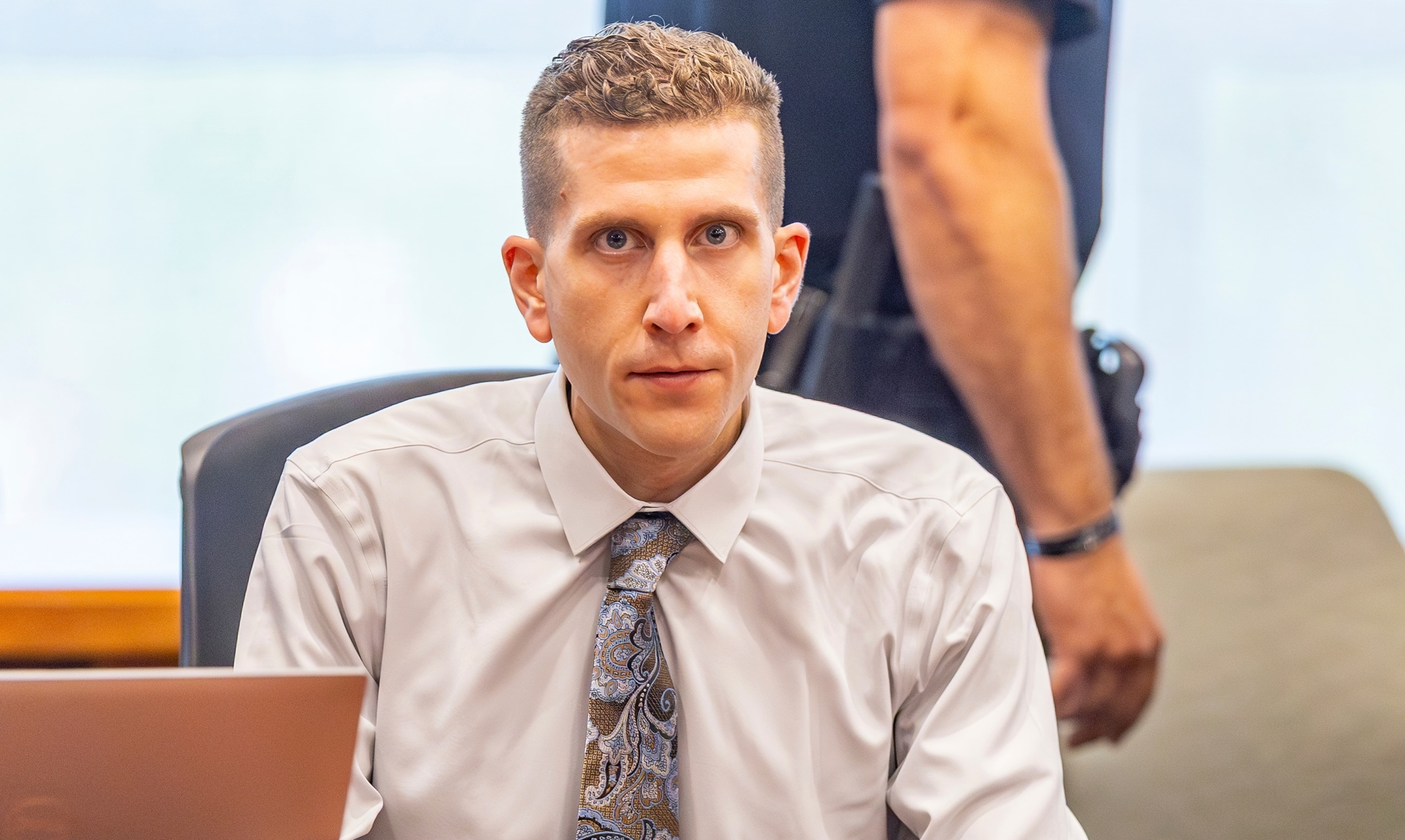
The sentencing of Bryan Kohberger to life without parole in an Idaho courthouse on Wednesday brought a somber conclusion to a case that has gripped the nation. The emotional proceedings, marked by the absence of any words from Kohberger about his crimes, have left many questions unanswered. His silence came after he was confronted by family and friends of the four University of Idaho students he had murdered: Kaylee Goncalves, Madison Mogen, Ethan Chapin, and Xana Kernodle.
Just hours after the court session ended, the Moscow Police Department released around 300 documents related to the investigation into the brutal killings that occurred nearly three years ago. This marks the first time such detailed records have been made public since the murders. Due to strict court orders, the case had remained largely hidden from the public for over three years. However, the judge overseeing the case has indicated that thousands more documents could be released in the coming weeks or months.
The newly released police documents offer a chilling glimpse into the extent of the violence and provide insight into events leading up to the killings. They also reveal that at least one of the victims fought back fiercely during the attack. Additionally, they include details of Kohberger’s interactions with law enforcement following his arrest.
The Crime Scene
When officers arrived at the scene of the crime—1122 King Road—the kitchen door was slightly open, and blood was smeared across the walls and floors. The bodies of the four college students were found in different areas of the house, their belongings covered in blood. Some victims had suffered multiple stab wounds, and their faces were so severely damaged that they were unrecognizable.
According to the police report, Kernodle had defensive knife wounds on her hands, indicating a violent struggle. On the third floor, Kaylee and Madison were found lying together under a pink blanket that was soaked in blood. A large pool of blood was near Kaylee’s midsection, and there were blood spatters on the walls.
Madison had wounds on her forearm and hands, including a gash under her right eye that stretched from the corner of her eye to her nose. Kaylee’s facial structure was so severely damaged that she could not be identified.
Ethan Chapin’s fatal injury was a stab wound under his left clavicle, which severed his subclavian vein and artery, as well as his jugular vein. Kernodle suffered stab wounds to her lung and heart, with over 50 injuries, most of which were defensive. Both Mogen and Goncalves were stabbed in the lung and liver. Goncalves also had two brain bleeds and a stab wound behind her clavicle that cut through a vein and artery. She had over 20 stab wounds, along with injuries linked to asphyxiation and blunt force trauma.
The coroner determined that the murder weapon was a non-serrated, single-edged knife that was very sharp and required significant force. Later, it was confirmed that the KA-BAR knife purchased by Kohberger on Amazon matched the injuries sustained by all four victims.
The Investigation
Investigators discovered a tan leather sheath of the KA-BAR knife at the crime scene. They searched local stores but found no leads until a Walmart employee mentioned that a white male had previously asked for a black ski mask. The employee described the man as taller than her and possibly having a tan complexion, though she could not provide more details.
A surviving roommate, Dylan Mortensen, later told police that she saw a male intruder wearing all black and a ski mask on the night of the killings. She believed she saw his bushy eyebrows.
Investigators also spoke with Kohberger’s classmates at Washington State University, where he was pursuing a Ph.D. in criminology. One teaching assistant described him as intelligent but selfish, often misleading others with his work. Kohberger was frequently late to classes and expressed a desire for a girlfriend.
Another student reported seeing injuries on Kohberger’s face and hands, which he attributed to a car accident. These injuries were noted in the police reports.
A surviving roommate, Bethany Funke, shared an unsettling incident where Kaylee had seen an unknown male watching her from above their house. On the night of the killings, Funke heard what she thought was a firework and saw a spark under her door before hearing the dog bark.
Kohberger's Arrest
Kohberger was arrested on December 30, 2022, and repeatedly questioned investigators about why he was in custody. He claimed to have only limited knowledge of the quadruple homicide that had occurred in Moscow just a month earlier.
During the interrogation, Kohberger engaged in small talk with police, even commenting on how familiar one detective looked. When asked why he was being held, he responded that he wanted the detective to explain. The detective informed him that they were investigating the Moscow killings, but did not provide further details.
Kohberger claimed to have received a WSU alert about the homicide but was unsure when. When asked if he wanted to discuss the matter, he requested a lawyer and said he was tired. Despite this, he continued to ask questions about what the police wanted from him.
Throughout the conversation, Kohberger expressed interest in criminal justice and considered becoming a police officer, though he hesitated. He also mentioned that he was raised Christian but had always been skeptical, except when he encountered the beauty of nature.
In jail, fellow inmates described Kohberger as highly intelligent and polite, but with annoying habits. He washed his hands frequently, spent long hours in the shower, and was often awake at night. On one occasion, he became angry when an inmate criticized a sports player, demanding to know if the comment was directed at him or his mother.

Post a Comment for "Idaho College Murders: Victims Unrecognizable in New Documents"
Post a Comment