ICJ Rules Nations Must Act on Climate Change
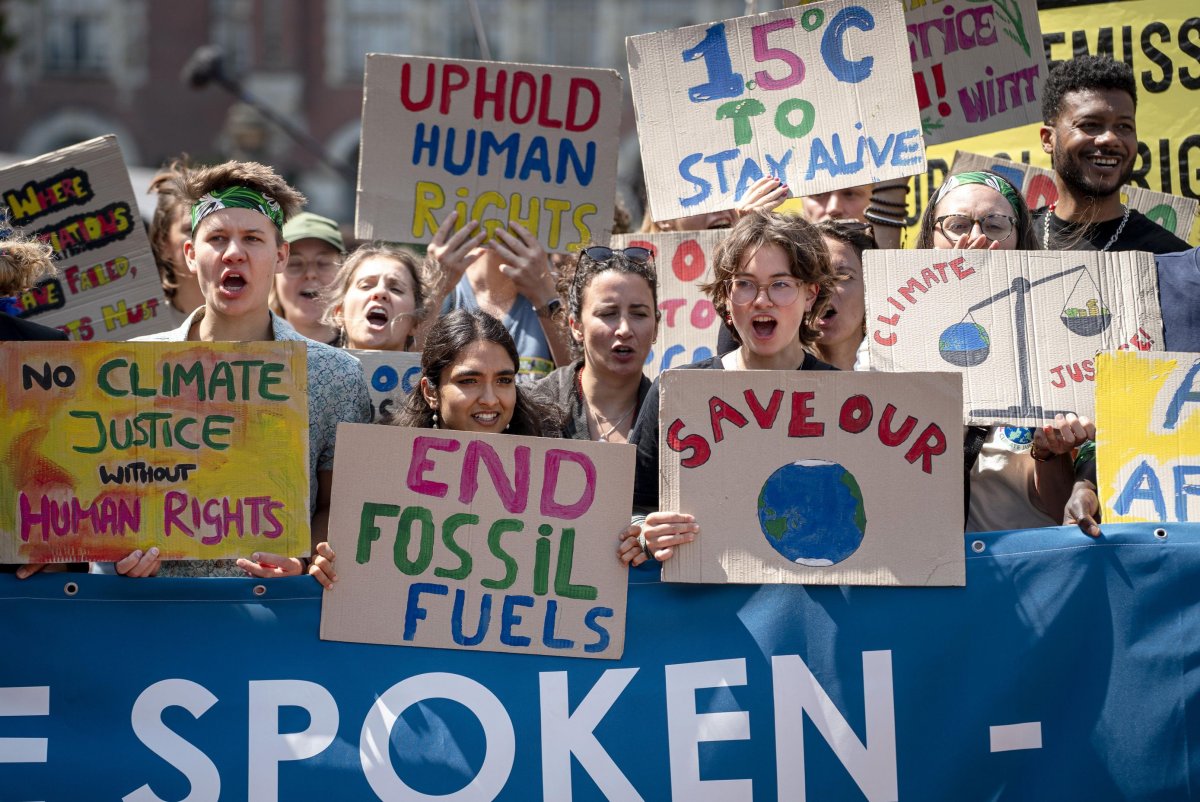
Landmark Ruling by the International Court of Justice on Climate Protection
The International Court of Justice (ICJ) has issued a significant ruling that emphasizes the legal obligation of nations to protect the environment from the harmful effects of greenhouse gas emissions. This decision, delivered in The Hague, Netherlands, marks a pivotal moment in international law and environmental governance.
The ICJ's 15-judge bench provided an advisory opinion that highlights the interdependence between human rights and environmental protection. According to the court, the right to a clean, healthy, and sustainable environment is intrinsic to the enjoyment of other human rights. This conclusion underscores the necessity for states to ensure environmental protection as part of their broader human rights obligations.
The ruling also suggests that the failure of a state to take appropriate measures to safeguard the climate system from greenhouse gas emissions could constitute an internationally wrongful act. However, the court noted that specific consequences for such actions would depend on the nature of the breach and the harm caused. These consequences could include various legal remedies under the law of state responsibility.
Key Legal Frameworks and Global Participation
Several international treaties were referenced in the court's opinion, including the Paris Agreement adopted in 2015. This agreement aims to limit global warming to 1.5 degrees Celsius above pre-industrial levels. Over 190 nations, along with the European Union, have committed to upholding this agreement. Despite this, the United States has withdrawn from the Paris Agreement twice during the Trump administration, highlighting the complexities of international climate commitments.
The U.N. Secretary-General, Antonio Guterres, praised the ruling as a historic advisory opinion, emphasizing that all states are legally obligated to protect the global climate system. He called it a victory for the planet, climate justice, and the influence of young people in driving change.
Vanuatu’s Role in Shaping the Ruling
Vanuatu, a Pacific island nation threatened by rising sea levels, played a crucial role in bringing this case before the ICJ. After years of lobbying, Vanuatu successfully persuaded the U.N. General Assembly to seek the court's opinion on the legal obligations of countries to protect the climate from man-made carbon emissions. The court's decision establishes a legal benchmark for action on the climate crisis.
During the proceedings, Vanuatu's Climate Change Special Envoy, Ralph Regenvanu, described the case as potentially the most consequential in human history. The country's Attorney General, Arnold Kiel Loughman, emphasized the high stakes, stating that the survival of his people and many others was at risk.
Broader Implications and International Reactions
The ICJ's ruling comes amid growing international efforts to address climate change through legal frameworks. In recent years, several courts have made significant rulings on climate issues. For example, the Inter-American Court of Human Rights in Costa Rica ruled that countries are legally bound to avoid harming the environment and protect ecosystems. Similarly, the European Court of Human Rights in Strasbourg set a precedent requiring countries to do more to reduce the serious adverse effects of climate change on their populations.
A case brought by a Swiss women's organization highlighted the connection between climate policies and human rights. The organization argued that inadequate climate action violated the right to a private and family life, particularly affecting older women who are more vulnerable to heatwaves. Their successful argument led to a landmark order requiring the Swiss government to improve its climate policies.
Ongoing Challenges and Future Directions
Despite these legal advancements, major oil and gas producers, including the United States and Russia, have expressed strong opposition to the ICJ's involvement. However, the court's ruling represents a significant step forward in establishing a legal framework for climate action.
As global temperatures continue to rise, the need for coordinated international efforts to combat climate change becomes increasingly urgent. The ICJ's advisory opinion serves as a critical reference point for nations seeking to fulfill their obligations under international law and protect the planet for future generations.

Post a Comment for "ICJ Rules Nations Must Act on Climate Change"
Post a Comment