I Witnessed the World's Most Hated Bands Live in 1999
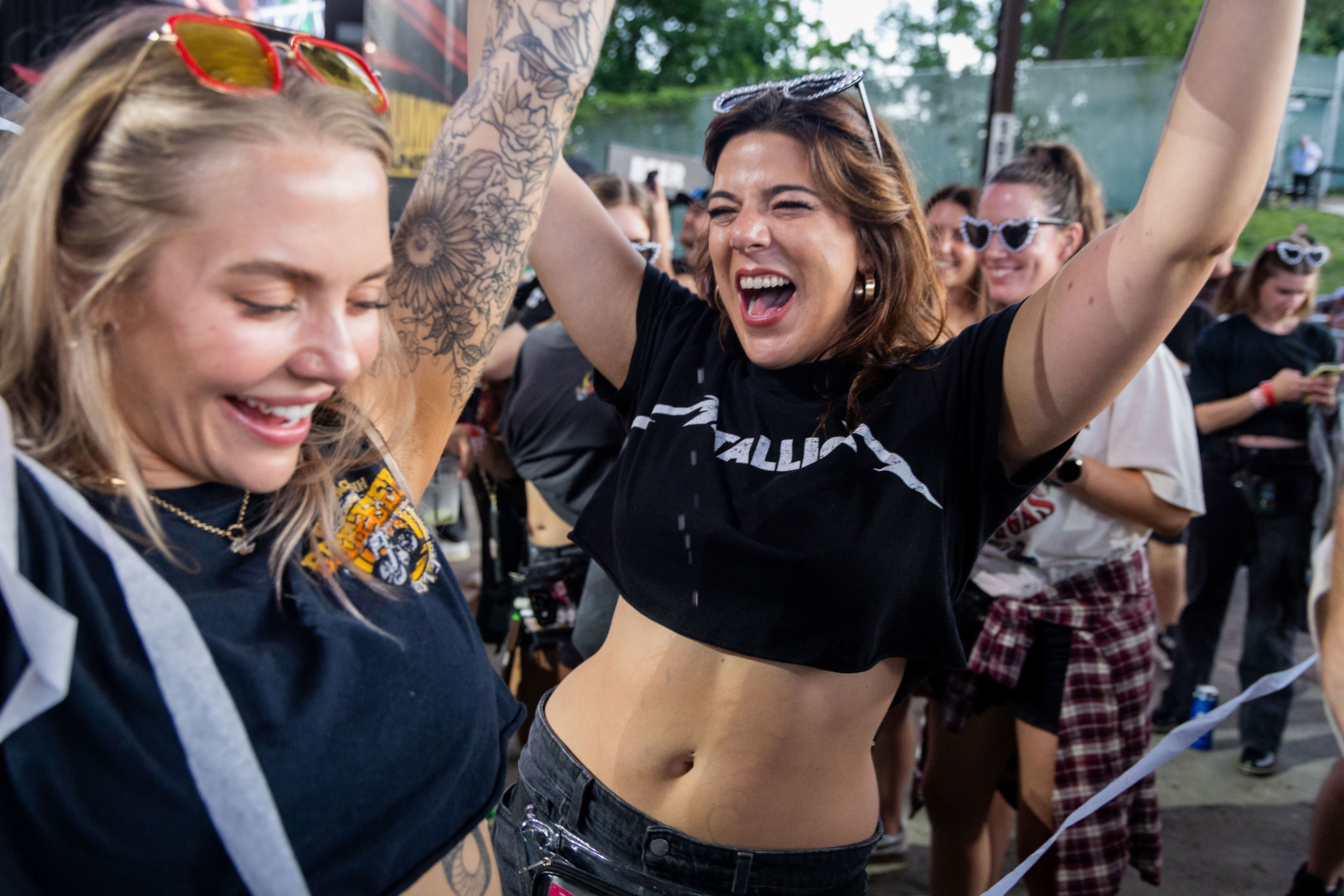
A Nostalgia-Fueled Rock Revival in Wisconsin
The idea of revisiting the past is often a bittersweet endeavor, especially when it comes to music. For many, the late 1990s and early 2000s were a time of musical experimentation and cultural shifts that left a lasting impact. This was particularly true for alt-rock bands like Creed and Nickelback, whose sounds defined an era. Recently, I found myself at the Alpine Valley Music Theatre in East Troy, Wisconsin, attending the Summer of ’99 and Beyond Festival, a celebration of rock’s last stand and a nostalgic trip back to the days of JNCO jeans and burned CDs.
The Rise of Post-Grunge and Its Legacy
Creed, with its mix of Christian themes and alternative rock, was one of the most prominent acts of the post-grunge movement. Alongside bands like 3 Doors Down and Finger Eleven, Creed became a staple of alt-rock radio during the turn of the millennium. Their reunion tour, which began last year, brought them back to the spotlight, drawing in fans who had long since moved on from their teenage years. The festival also featured other bands that once dominated the airwaves, such as Live, Our Lady Peace, and Fuel, each bringing their own unique take on the genre.
Despite their commercial success, these bands have often been criticized by critics and fans alike. They are seen as relics of a bygone era, more about nostalgia than innovation. However, their continued presence on the festival circuit suggests that there is still a strong fan base eager to relive the past. This phenomenon raises questions about the role of nostalgia in modern music consumption and whether it can sustain a band's relevance over time.
The Festival Experience
The atmosphere at the Alpine Valley Music Theatre was electric, with fans of all ages gathering to celebrate the music of their youth. The event was not just a concert but a full-blown festival, featuring multiple stages, food vendors, and merchandise booths. It was clear that the organizers were trying to create an immersive experience that would transport attendees back to the days of the late 1990s.
One of the most notable aspects of the festival was the inclusion of Nickelback, a band that has become a meme in its own right. While some fans may have come for the nostalgia, others were there to see the band live, even if they weren't necessarily fans. The contrast between the two headliners—Creed and Nickelback—highlighted the diverse tastes of the audience and the varying degrees of acceptance for each band.
The Music and the Message
As the night progressed, the performances varied in quality and energy. Creed, with its classic lineup, delivered a set that felt both familiar and fresh. Lead guitarist Mark Tremonti showcased his technical prowess, while frontman Scott Stapp brought a sense of conviction to the stage. His performance was a mix of nostalgia and introspection, as he reflected on the band's past and its impact on the music scene.
In contrast, Nickelback's set was more of a spectacle, with pyrotechnics, strobe lights, and a T-shirt gun that added to the party vibe. However, the band's performance lacked the same level of emotional depth as Creed's. Their songs, while catchy, often felt formulaic, with lyrics that were more about style than substance.
The Politics of Nostalgia
Throughout the festival, there were moments where the bands touched on broader social issues. Sevendust's Lajon Witherspoon spoke about the "crazy world" we live in, encouraging the crowd to navigate life's challenges with kindness. Similarly, Chris Daughtry addressed the importance of choosing how to live one's life. These messages, while well-intentioned, were somewhat overshadowed by the overall focus on nostalgia and the music itself.
However, there were also moments where the bands ventured into more controversial territory. Scott Stapp's political remarks, for instance, drew mixed reactions from the audience. While some appreciated his call for positive change, others were taken aback by his more conspiratorial tone. This highlights the delicate balance that artists must strike when addressing social issues while still maintaining their connection to their fan base.
Reflections on the Past and the Future
As the festival came to a close, it was clear that the experience was more than just a concert—it was a celebration of a shared cultural moment. For many, it was a chance to reconnect with the music that shaped their formative years. Yet, it also served as a reminder of how far the music industry has come and the changing tastes of audiences.
While the bands on the bill may not be the most critically acclaimed, their continued presence on the festival circuit speaks to the power of nostalgia. It shows that even the most polarizing acts can find a place in the hearts of their fans. As the final notes of the evening faded into the night, it was clear that the spirit of the late 1990s and early 2000s lived on, even if only for a few days.

Post a Comment for "I Witnessed the World's Most Hated Bands Live in 1999"
Post a Comment