I Tried the Trendy Salmon Sperm Injections — Here's What Happened
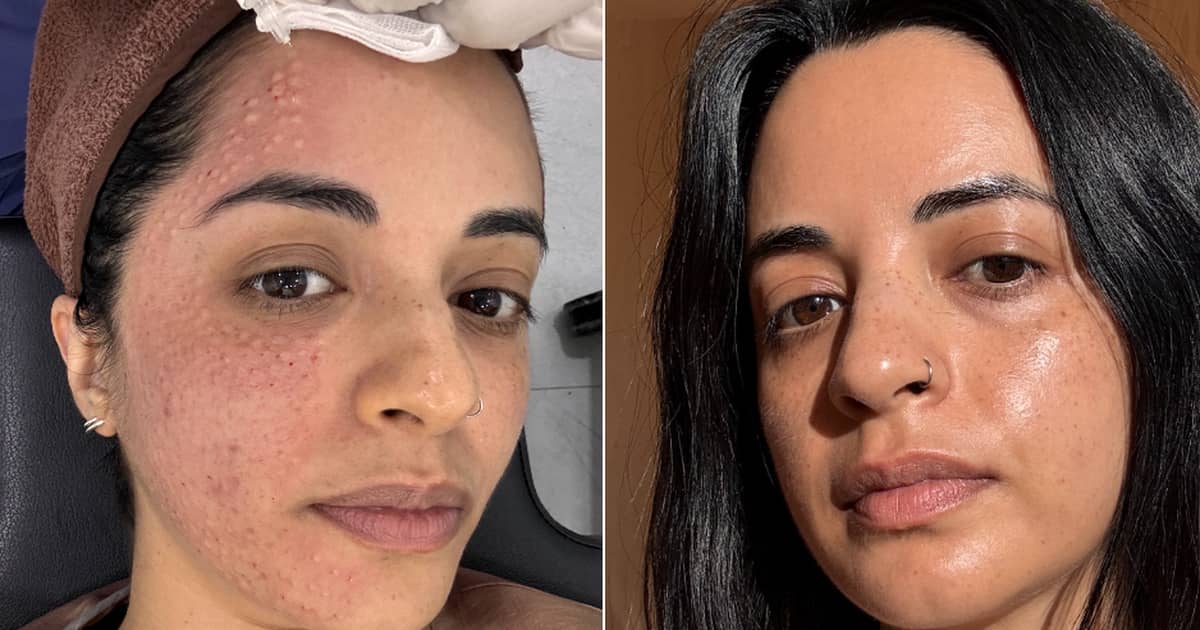
Understanding Rejuran: The Salmon Sperm Injection Trend
For those who are passionate about skincare, the allure of innovative treatments is often irresistible. While I haven’t had the chance to visit Disney World, I can confidently say that Seoul’s K-beauty scene is just as magical—especially for someone with a deep interest in aesthetic treatments. Over the years, I've experimented with various procedures in the city, some of which are popular in the U.S., like radiofrequency microneedling and lasers, while others are uniquely Korean, such as Aqua Peels and skin Botox.
Among these, one treatment has caught my attention more than any other: Rejuran. Known in the U.S. as salmon sperm injections, this procedure has gained popularity due to celebrity endorsements from figures like Kim Kardashian, Kesha, and Jennifer Aniston. However, in South Korea, it's simply referred to as salmon DNA. In this article, I’ll share everything you need to know about Rejuran, including its main ingredient, benefits, and what to expect during the treatment.
What Is Rejuran?
Rejuran, also known as Rejuran Healer or Healing Essence, is a skin booster treatment originating from South Korea. It uses polynucleotides (PN), derived from salmon DNA, to stimulate the skin’s natural healing process and promote collagen production at the cellular level. According to Ethan Wonuk Hwang, MD, a cosmetic physician and director of Cheongdam Lebelle Clinic in Seoul, this treatment offers a range of benefits for the skin.
Research suggests that polynucleotides have "exceptional biocompatibility" with human skin and provide numerous regenerative and glow-getting benefits. This makes Rejuran an appealing option for those looking to improve their skin texture, reduce fine lines, enhance hydration, and restore elasticity over time.
The Benefits of Salmon Sperm Injections
Dr. Hwang highlights that Rejuran is particularly effective for improving skin texture, reducing fine lines, enhancing hydration, and restoring skin elasticity. A small 2016 study published in Dermatologic Therapy found that PN injections significantly improved pore size and skin thickness in patients in their 30s, while those in their 40s saw notable improvements in skin tone, melanin, wrinkles, and sagging.
Additionally, a 2023 survey published in Skin Research and Technology, which included responses from 557 physicians in South Korea who use PN in their practices, showed that 95.8% validated the wound healing and regenerative properties of PN, while 92.2% backed up its ability to protect the skin barrier.
How Is Rejuran Made?
The question of how Rejuran acquires and processes salmon sperm for aesthetic use is a common one. Bell Yoo, NP, a board-certified nurse practitioner and founder of Mimo Aesthetics in West Hollywood, California, explains that the process is far from what it sounds like.
According to Yoo, the DNA is sourced from salmon milt, which is the reproductive fluid released by male salmon during spawning. This contains the sperm cells that are processed to extract the DNA, which is then carefully extracted and purified to remove proteins and other potentially reactive components. The entire operation is held to strict standards for safety, sterility, and consistency, resulting in a stable, pharmaceutical-grade DNA material.
Safety Considerations
Across several studies investigating polynucleotides, there were no serious adverse events. While Rejuran is newer in the U.S., more providers—including nurse practitioners, dermatologists, and plastic surgeons—are adding it to their aesthetic menus, either via topical use or injections in an off-label capacity.
However, it's important to note that Rejuran injections have yet to be approved by the FDA, though they're approved by their equivalents in South Korea and parts of Europe. Dr. Hwang emphasizes that Rejuran has been used for over a decade in Korea with almost no adverse reactions. Nonetheless, if you're considering the treatment, it's crucial to find a reputable provider who is well-versed in the procedure.
How Often Should You Get Rejuran Injections?
For optimal results, Rejuran is typically recommended in a series of three sessions spaced about four weeks apart, followed by a single booster session every three to six months. One session should elicit improvements in hydration and texture for a glass-skin glow, while by the third session, you can expect improvements in fine lines, pore size, and skin inflammation.
Long term, patients can expect slowed skin aging from increased dermal thickness and a strengthened skin barrier. Dr. Hwang notes that consistent Rejuran treatments are considered a pro-aging goldmine, offering significant returns over time.
My Experience With Rejuran
During my Rejuran injection experience, I was initially concerned about the pain, as I had previously found the treatment quite uncomfortable. However, Dr. Hwang's technique, which involved smaller needles and a careful approach, made the process much more tolerable. After the treatment, I experienced some mild itchiness, but within a week, my skin was noticeably brighter and more supple.
While I'm not convinced that Rejuran is a cure-all for all my skincare concerns, I do appreciate its fast-acting glow and hydration. It's definitely a part of my larger aesthetic regimen rather than the sole solution.
Is Rejuran Worth It?
Despite initial skepticism, I've grown more fond of Rejuran, especially after experiencing the difference it made on my skin. The cost varies widely, with prices in South Korea ranging from around $160 to $392 for 4 CCs, and in the U.S., expect to pay at least double that.
It's important to note that Rejuran isn't a quick fix—it's a long-term, regenerative treatment that aligns with the Korean philosophy of prevention and maintenance. For those seeking instant gratification, other treatments may be more suitable. However, for those willing to invest in consistent care, Rejuran could be a valuable addition to their skincare routine.

Post a Comment for "I Tried the Trendy Salmon Sperm Injections — Here's What Happened"
Post a Comment