I Tried All Water Carrying Methods for Runs — These Are My Top Picks
Choosing the Right Water-Carrying Method for Summer Runs
Summer running presents unique challenges, especially when it comes to hydration. The heat can slow your pace and make every run feel longer, while also increasing your need for water to keep your body cool. Carrying enough water becomes a crucial part of your preparation, and finding the right method can make all the difference in your comfort and performance.
Over the summer, I’ve been experimenting with various ways to carry water during my runs, adjusting based on the distance and conditions. Here are some of the methods that have worked best for me so far.
For Short and Medium Runs: The Nathan FeatherLite Belt
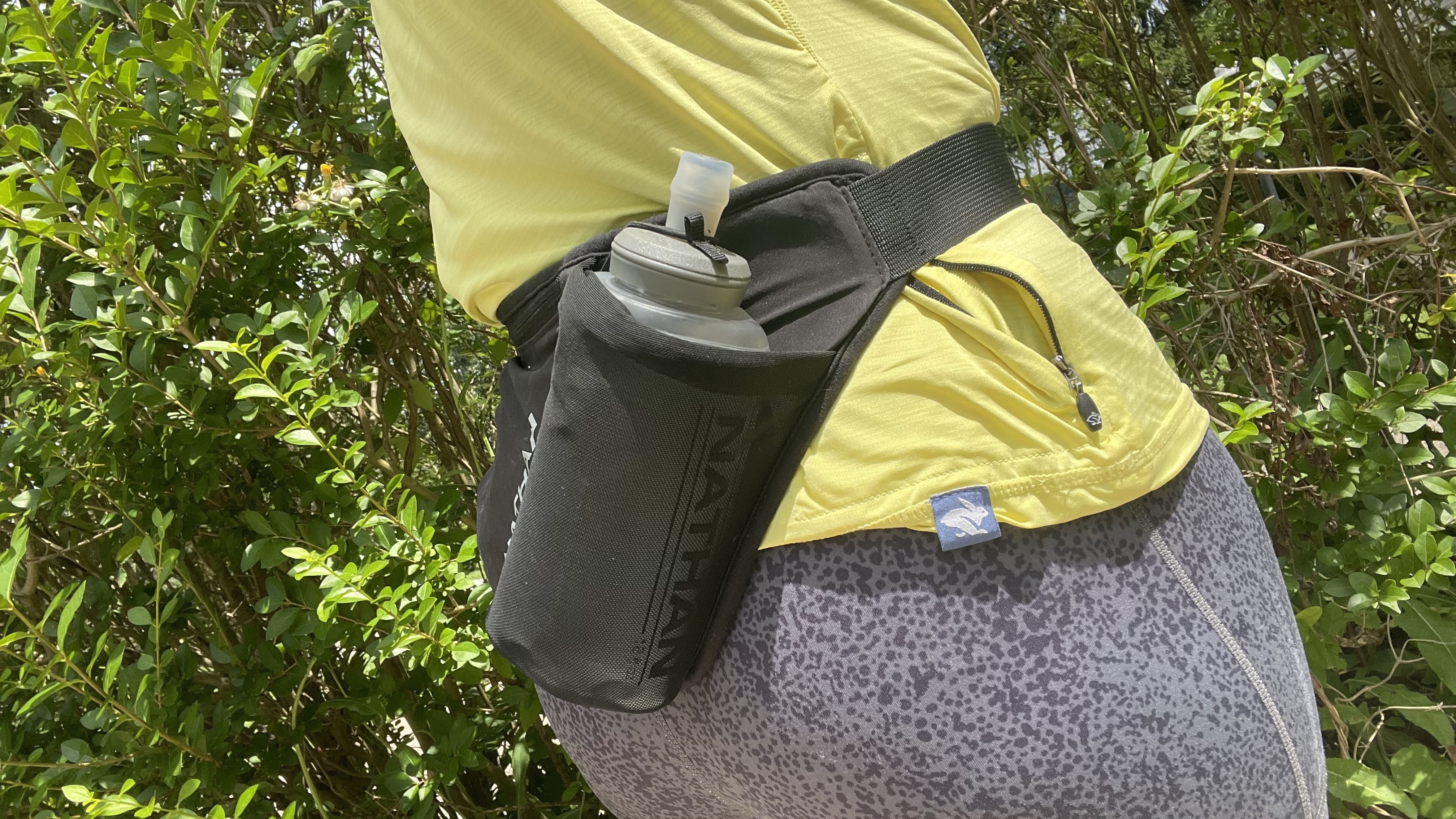
One of my top choices for shorter runs is the Nathan FeatherLite belt. This lightweight option features a diagonal pocket designed for a soft flask, which is a big advantage compared to hard plastic or metal bottles. The soft flask included with the belt holds 18 ounces of water, making it ideal for runs lasting an hour or less.
What I like about the Nathan FeatherLite:
- Soft Flask: The absence of hard edges prevents chafing, and the “exo spine” helps keep the flask secure in its pocket.
- Leakproof Bite Valve: This feature ensures no spills when laying the bottle down, and it’s easy to access while running.
- Stretchy Loop: A small loop at the top keeps the flask from bouncing out, though it may loosen as the flask empties.
- Low Bounce: Once properly positioned, the belt is barely noticeable after a few steps.
- Zippered Pocket: Great for carrying a phone or other essentials, especially useful when testing multiple devices.
Some drawbacks include the difficulty of quickly accessing the bottle and the potential for the belt to be overkill for shorter runs. For longer distances, I switch to a different method.
For Long Runs: A Hydration Vest
For longer runs, I rely on a hydration vest. While I was hoping to try a high-end model, I ended up using a more affordable option from Outplea. It costs around $20 and includes a two-liter water bladder, along with front pockets and a bungee cord for extra gear.
Key features of a good hydration vest include:
- Two-Liter Bladder: Provides ample water for most long-distance runs.
- Plenty of Storage: Front pockets for gels and phones, and a bungee cord for larger items.
- Flexible Water Placement: Some vests allow you to carry water on the back or front, offering more comfort options.
- Adjustable Straps: Ensure a better fit, though cheaper models may lack this feature.
The downsides include the potential for sweating and discomfort if the fit isn’t right. Wearing a T-shirt instead of a tank top helps prevent chafing in sensitive areas.
For Minimalist Runs: A Clip-On Bottle
When I don’t need much water, a clip-on bottle is my go-to. The Spibelt model is convenient and doesn’t require additional straps. Its 8-ounce size is perfect for cooler weather or when I can refill at water fountains.
Why I like it:
- No Extra Straps: Doesn’t interfere with what I’m already wearing.
- Easy to Carry: Simple to grab on the way out the door.
- Upright Placement: Ideal for situations where I need to set the bottle down, such as when running with kids.
Disadvantages include the lack of comfort in certain placements, though it’s still a practical option for short runs.
Handheld Bottles: A Popular but Personal Choice
While I personally prefer other methods, handheld bottles are popular among many runners. They offer simplicity, but can lead to fatigue in the hands and arms over time. Some runners use contraptions like the Hydrapak soft flask with a thumb loop or the Amphipod neoprene sleeve with a zippered pocket. Others even create their own custom straps using duct tape.
Final Thoughts
Finding the right water-carrying method often comes down to trial and error. What works for one runner might not work for another, so it’s important to experiment and find what suits your needs best. Whether it's a belt, vest, clip-on bottle, or handheld option, staying hydrated is key to enjoying your summer runs.

Post a Comment for "I Tried All Water Carrying Methods for Runs — These Are My Top Picks"
Post a Comment