"I Don't Understand the Fight": Freed Hostage Arbel Yehoud Criticizes Israel's Gaza War
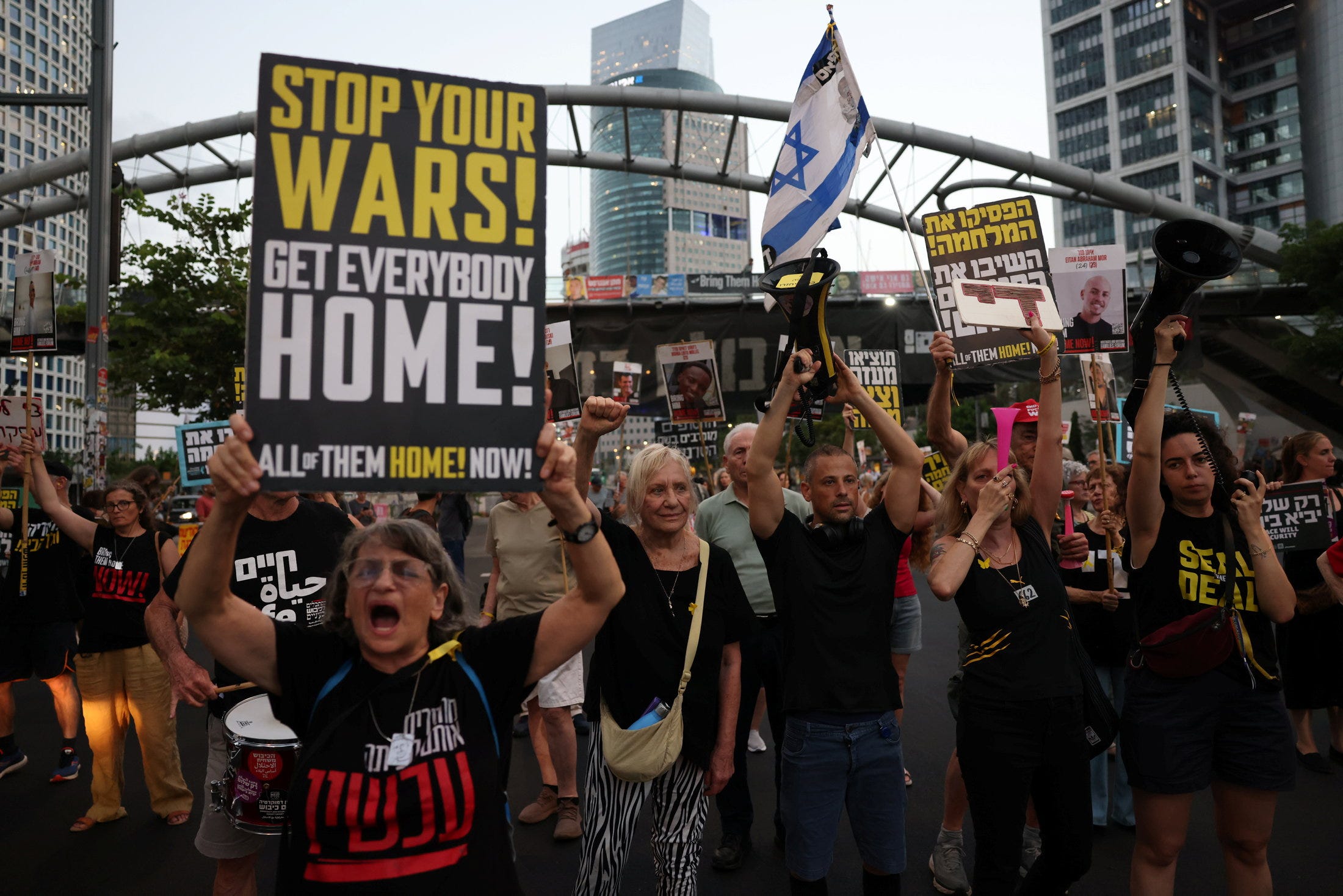
A Hostage's Plea: The Struggle for Meaning in a Prolonged Conflict
Arbel Yehoud, a 29-year-old woman from Kibbutz Nir Oz, was released from Hamas captivity in January as part of a hostage deal. However, her return to safety has not brought the closure she desperately needs. Her partner, Ariel Cunio, was kidnapped alongside her and remains in captivity. For Yehoud, the emotional and psychological toll of this ongoing conflict is profound, and she has spoken out publicly about the sense of futility that continues to define the war in Gaza.
In a video statement released by the Hostages and Missing Families Forum, Yehoud expressed deep frustration with the continued military operations in the region. She questioned the purpose of these actions, pointing out that they have not resulted in the return of any hostages. “Every morning begins with another soldier killed, but for what?” she asked. “Military pressure hasn’t brought the hostages back. Senior Hamas leaders have already been assassinated. I just can’t understand what the goal is in seizing more territory over our hostages’ heads.”
Yehoud urged Israeli leadership to take meaningful steps to bring the remaining captives home. “I’m appealing to those whose hands aren’t tied – bring the soldiers back. Give us a chance to try to return to lives that will never be the same,” she said. Her words reflect a growing sentiment among families of hostages who feel abandoned by the government’s approach to the crisis.
The conditions of captivity, according to Yehoud, are deeply unsettling. She described the constant fear that comes with the uncertainty of when the next attack might occur. “You feel like you’re one step away from ‘this is it,’ a bullet to the head. The fear is constant. You’re afraid of our bombings, their retaliation and abuse. It’s a survival state – fearing hunger, poor conditions, or harm.” She added that when negotiations fail, the treatment of hostages worsens, creating an environment of despair and hopelessness.
Yehoud also spoke about the emotional impact of failed deals. After the November hostage deal collapsed, many captives felt abandoned. “If I felt forgotten or discriminated against back then, I can’t begin to imagine what they’re feeling now. After a two-month ceasefire, the return to intense fighting and hearing bombs overhead, some may have seen others released. What I felt then is nothing compared to what they must be going through.”
Her own recovery, she said, cannot begin until Ariel is returned. “I’m not focusing on healing. I know it would only weaken me, distract me from the struggle. You can’t start to heal while they’re still there.” The guilt of being released while he remains in captivity haunts her daily. “Since January 19, I’ve been haunted by the fact that I was on the list and he wasn’t – and by the fear that he knows. On one hand, I’m sure he felt relieved that I’m safe. But on the other, I don’t know how he’s coping. I’m sure it breaks his heart.”
Yehoud’s message is urgent and personal. She calls on the public to demand the return of all hostages, warning that without action, the country will struggle to recover from the trauma of October 7. “October 7 could happen to any one of you. If the hostages aren’t brought back, if we don’t demand their return, if we don’t rise up and shut everything down until they’re home, I don’t see how this country can ever recover.”
Her story highlights the human cost of prolonged conflict and the deep emotional scars left on those who survive. As the war continues, the voices of those affected—like Yehoud—become increasingly important in shaping the path forward.

Post a Comment for ""I Don't Understand the Fight": Freed Hostage Arbel Yehoud Criticizes Israel's Gaza War"
Post a Comment