"I Died That Day" – The Harrowing Story Behind a Survivor's Fight
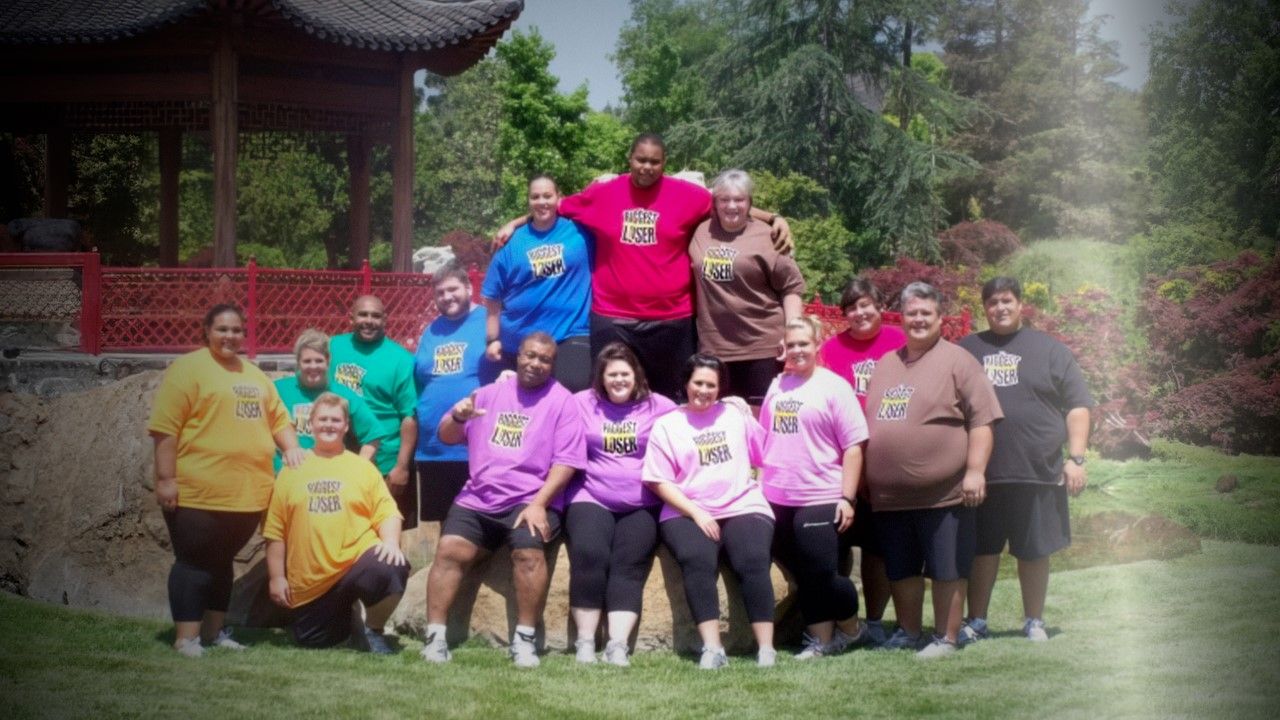
The Harrowing Story Behind One of the Most Shocking Moments on The Biggest Loser
A new documentary series has reignited conversations about one of the most controversial and intense reality TV shows in history: The Biggest Loser. This show, which aired on NBC from 2004 to 2016, was known for its extreme weight loss challenges and dramatic transformations. Now, a three-part Netflix series titled Fit for TV: The Reality of the Biggest Loser is offering a behind-the-scenes look at what really happened during the show’s run. Among the revelations, one story stands out as particularly shocking and deeply disturbing.
One of the most startling accounts comes from Tracey Yukich, a contestant from Season 8. During her first day on the show, she participated in a mile run on the beach as part of a fitness challenge. What began as a routine exercise turned into a life-threatening emergency. Yukich collapsed just 100 yards from the finish line and had to be airlifted to the hospital. She described the moment in the documentary, saying:
"I don’t remember a lot. I remember hearing the helicopter. I just felt like I was floating. And then my grandpa was there and then I saw darkness but then I saw light, so I knew. I knew I died that day."
This experience was not only terrifying but also a wake-up call about the physical toll of the show. Upon arriving at the hospital, Yukich was diagnosed with rhabdomyolysis, a serious condition where muscle tissue breaks down and releases harmful substances into the bloodstream. If left untreated, it can lead to kidney failure, heart damage, or even death. She explained:
"Rhabdomyolysis is your body’s way of saying, 'I’m going to shut down on you.' It started with my liver, then it went to my kidneys and then it goes to your heart. And that’s where I almost died."
What makes this situation even more alarming is that Yukich continued to compete on the show despite her near-fatal experience. Her decision to stay was driven by personal struggles, including problems in her marriage. She revealed that infidelity was a major issue, and she felt responsible for her weight, believing it was the reason she was being disrespected and mistreated at home.
"I thought it was my fault because I was fat. I don’t want to be disrespected, I don’t want to be yelled at, I don’t want to be harmed, I don’t want you to tell me what I can do and can’t do."
For Yukich, The Biggest Loser became a lifeline—a chance to escape a toxic environment and regain control of her life. Despite the risks, she managed to lose 56 pounds within the first eight weeks and ultimately shed a total of 118 pounds by the finale. Her journey highlights both the potential benefits of such programs and the extreme measures contestants are often pushed to take.
The Dark Side of Extreme Weight Loss Challenges
While The Biggest Loser was celebrated for its dramatic weight loss results, it also faced criticism for promoting unhealthy and potentially dangerous methods. Contestants were subjected to rigorous training regimens, strict diets, and high-pressure environments. Many of these practices led to long-term health issues, with some former participants experiencing metabolic damage that made it difficult to maintain their weight loss.
Tracey Yukich’s story is just one example of how the show’s intense nature could have severe consequences. Her experience raises important questions about the ethics of reality television and the responsibility of producers to ensure the safety of their participants.
A New Perspective on a Controversial Show
The release of Fit for TV: The Reality of the Biggest Loser offers a fresh perspective on the show’s legacy. By featuring candid interviews with former contestants, trainers, and others involved, the documentary sheds light on the emotional and physical toll of participating in such an extreme program. It also serves as a reminder of the importance of prioritizing health and well-being over sensationalism.
As more people become aware of the realities behind the camera, the conversation around weight loss and fitness continues to evolve. For those interested in watching the full series, all three episodes are now available for streaming.

Post a Comment for ""I Died That Day" – The Harrowing Story Behind a Survivor's Fight"
Post a Comment