Hypermiling Boosts Gas Mileage, But Risks Outweigh Gains
Understanding Hypermiling and Its Impact on Fuel Efficiency
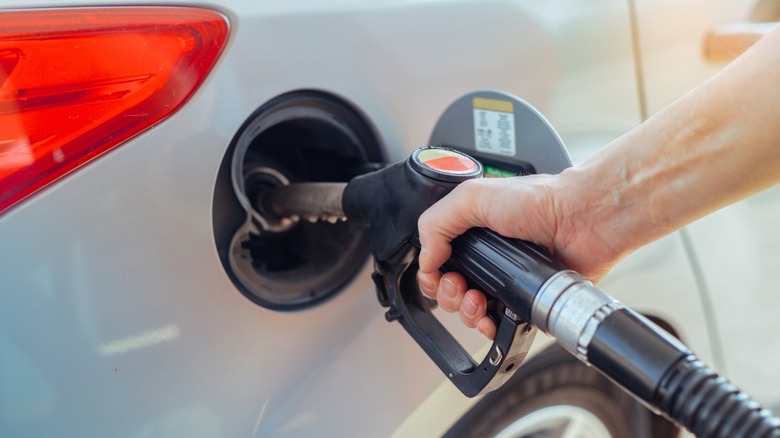
Cars have long been a staple of modern life, offering convenience, mobility, and freedom. However, the reliance on internal combustion engines has come with significant drawbacks, particularly in terms of fuel consumption and environmental impact. Fossil fuels, which power most traditional vehicles, are not only harmful to the planet but also costly for drivers. As gas prices continue to rise, many individuals find themselves spending more time at the pump than they would like.
In response to these challenges, modern vehicles have become increasingly fuel-efficient, thanks to advancements in engine technology and the growing popularity of hybrid and electric vehicles. Despite these improvements, fuel costs remain a burden for many, especially those who cannot afford newer, eco-friendly models or who rely on older vehicles for long commutes or frequent travel in heavy traffic.
This financial strain has led to the development of alternative methods aimed at improving fuel efficiency, one of which is hypermiling. This practice has gained attention over the years, particularly during periods of rising fuel prices. Hypermiling involves a set of driving techniques designed to maximize gas mileage. While there is no specific vehicle built for this purpose, many enthusiasts use hybrids like the Toyota Prius to achieve impressive results, with some reporting up to 100 miles per gallon.
Common Techniques Used in Hypermiling
Hypermiling is a broad term that encompasses a variety of driving behaviors and strategies. Some of the most common methods include using the throttle minimally, practicing smooth and selective braking, and planning parking locations based on geography and weather conditions. For instance, parking on a downhill slope allows drivers to coast without using the gas pedal, reducing fuel consumption.
Other techniques involve maintaining a steady speed, avoiding rapid acceleration and deceleration, and driving during off-peak hours when traffic is lighter. These practices can significantly improve fuel efficiency while promoting safer driving habits.
However, some hypermiling techniques go beyond the standard approaches and take on a more extreme form. One such method is "ridge riding," where drivers position their vehicle so that the two passenger-side tires are on the white line of a highway. The theory behind this technique is that the tires experience less friction on the painted surface, potentially saving fuel. Another extreme method involves shifting into neutral to coast or turning off the engine while driving, which can lead to loss of power steering and increased risk of accidents.
The Risks Associated with Hypermiling
While hypermiling can offer substantial improvements in fuel efficiency, it is not without its dangers. Many of the more radical techniques, particularly those used by enthusiasts aiming to set records, pose serious risks to both the driver and others on the road.
Drafting, for example, involves following closely behind a large vehicle, such as a semi-truck, to take advantage of its slipstream and reduce wind resistance. While this may slightly improve fuel economy, it is extremely unsafe. At high speeds, the stopping distance required to avoid a collision is significantly greater than the space between vehicles in such scenarios. Additionally, drafting limits visibility, increasing the likelihood of accidents and rear-end collisions.
Another dangerous practice is killing the engine while coasting, which can result in the loss of power steering. This is particularly hazardous when navigating curves or making sudden maneuvers. Coasting down hills can also lead to excessive momentum, making it difficult to control the vehicle if an unexpected obstacle appears.
Conclusion
While hypermiling can be an effective way to improve fuel efficiency, it is important to weigh the potential benefits against the risks involved. Safer alternatives, such as maintaining a steady speed, practicing smooth driving habits, and utilizing off-peak hours, can also contribute to better fuel economy without compromising safety. As the automotive industry continues to evolve, the focus on sustainable and efficient transportation will likely lead to even more innovative solutions for drivers looking to save money and reduce their environmental impact.

Post a Comment for "Hypermiling Boosts Gas Mileage, But Risks Outweigh Gains"
Post a Comment