Humanity Sees Alarming Surge in Coral Bleaching
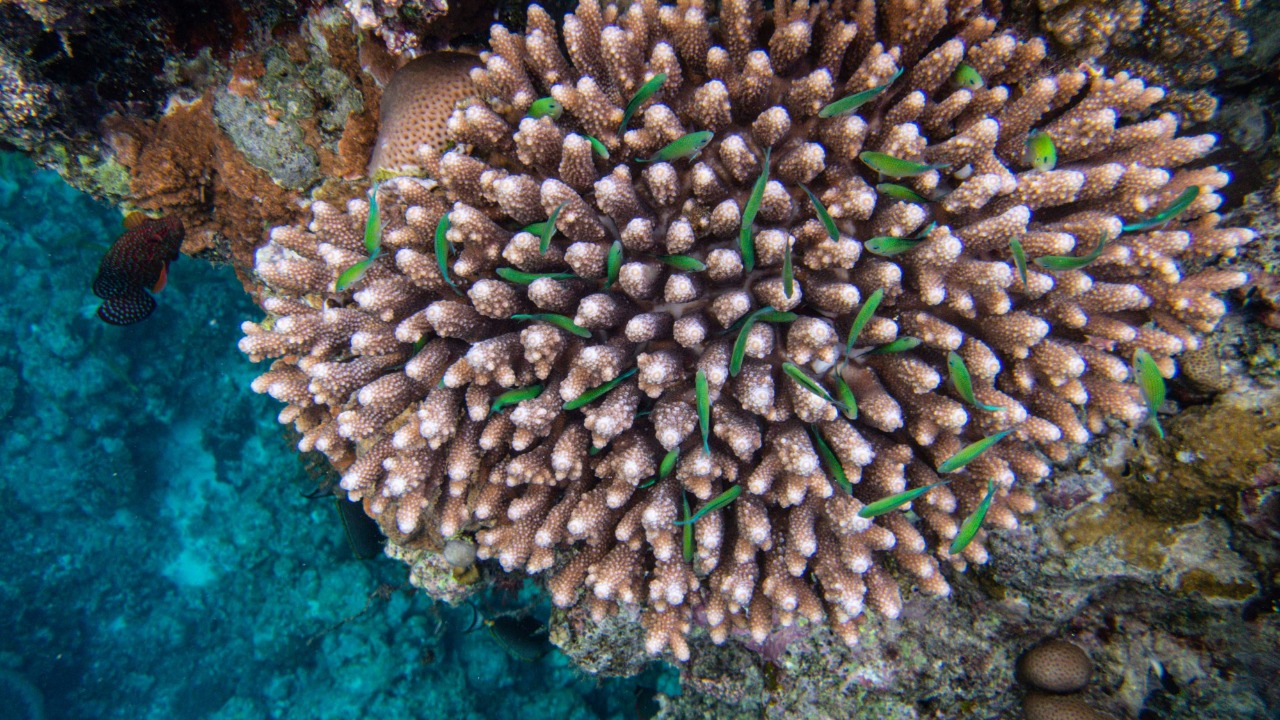
Understanding Coral Bleaching
Coral bleaching is a critical environmental issue that has gained significant attention in recent years. This phenomenon occurs when coral polyps expel the symbiotic algae, known as zooxanthellae, which live within their tissues. These algae are essential for coral health, providing nutrients through photosynthesis. When corals experience stress, often due to rising sea temperatures or ocean acidification, they lose their vibrant colors and turn white. This loss of color indicates a disruption in their symbiotic relationship with the algae, which can lead to coral death if the stress persists.
The causes of coral bleaching are multifaceted. Elevated sea temperatures, linked to climate change, are the primary triggers. As ocean temperatures rise, corals become increasingly vulnerable to stress, which disrupts their ability to maintain the necessary balance with their algal partners. Additionally, ocean acidification, driven by increased atmospheric carbon dioxide levels, further exacerbates the problem by reducing the ability of corals to build their calcium carbonate skeletons.
Impact on Marine Ecosystems
The consequences of coral bleaching extend far beyond the corals themselves, affecting entire marine ecosystems. Coral reefs serve as habitats for approximately 25% of all marine species, offering food and shelter. When corals bleach, these ecosystems suffer, leading to a decline in biodiversity. Fish populations, which depend on reefs for survival, face increased mortality rates and migration challenges. Furthermore, the degradation of coral reefs impacts the ocean’s ability to sequester carbon, worsening the effects of climate change.
Current Data and Trends
Recent studies have shown an alarming increase in the frequency and severity of bleaching events. According to various reports, the current global coral bleaching event is the largest on record. Research indicates that these events are occurring more frequently and intensely, leading to widespread coral mortality. These findings highlight the urgent need for immediate action to address the factors contributing to coral stress.
The Global Scope of the Crisis
Coral bleaching affects different regions in varying degrees. For example, the Great Barrier Reef has faced significant bleaching events, threatening its status as one of the world’s most iconic marine ecosystems. Similarly, regions like the Caribbean and Southeast Asia have reported widespread bleaching, with varying degrees of recovery. Local oceanographic conditions and conservation efforts can influence the severity of bleaching and the resilience of coral populations.
Human impact is also profound, particularly for communities dependent on reefs. Coral reefs are critical to tourism, a major economic driver in many coastal regions. As reefs degrade, tourist interest wanes, affecting local economies. Additionally, coral reefs provide essential services such as coastal protection and fisheries. The decline in reef health leads to reduced fish stocks, impacting food security for millions who rely on them as a primary protein source.
International Response
Globally, efforts are underway to combat coral bleaching. International agreements, such as the Paris Agreement, aim to limit global temperature rise, indirectly benefiting coral reefs. Organizations and governments are investing in conservation projects, focusing on preserving and restoring coral ecosystems. Community-based initiatives have emerged, emphasizing local stewardship and resilience building.
Role of Climate Change
Climate change is a major driver of coral bleaching, primarily through rising sea temperatures and increased ocean heatwaves. Prolonged periods of elevated sea temperatures can cause widespread bleaching, as seen in recent years. Addressing carbon emissions is crucial in mitigating ocean acidification and protecting coral reefs.
Predictions and Future Scenarios
Climate models predict an increase in the frequency and severity of coral bleaching events if current trends continue. Without significant intervention, coral reefs could face annual bleaching by mid-century, leading to widespread destruction. However, there is hope in the form of emerging technologies and conservation strategies designed to enhance coral resilience and adaptation to changing conditions.
Conservation and Mitigation Strategies
Scientists and conservationists are exploring innovative solutions to enhance coral resilience. Techniques such as selective breeding, where more heat-tolerant coral strains are cultivated, show promise in creating more robust populations. Artificial reefs, designed to mimic natural structures, provide alternative habitats for marine life and support biodiversity. These approaches, combined with traditional conservation efforts, offer hope for preserving coral ecosystems.
Policy and Legislation
Effective policy and legislation play a crucial role in addressing coral bleaching. Governments worldwide are implementing measures to reduce carbon emissions and protect marine environments. Policies focusing on sustainable fishing practices, pollution control, and marine protected areas are essential components of a comprehensive strategy to safeguard coral reefs. Legislative efforts at both national and international levels are critical in driving meaningful change.
Community Engagement and Education
Community involvement and education are vital for successful conservation efforts. Local communities play a key role in protecting and restoring coral reefs. Empowering these communities through education and providing resources for sustainable practices can lead to more effective conservation outcomes. Public awareness campaigns aim to highlight the importance of coral ecosystems and the need for collective action in addressing the challenges they face.
Hope for the Future
Despite the challenges, there are success stories that offer hope. Initiatives like the Coral Triangle Initiative in Southeast Asia demonstrate the potential for collaborative regional efforts in conservation. These projects have shown promising results in restoring coral cover and enhancing biodiversity. Successes in coral restoration projects provide a blueprint for scaling efforts worldwide.
International collaboration is essential in addressing the global challenge of coral bleaching. Coordinated efforts among governments, NGOs, and the private sector are crucial in implementing effective conservation strategies. Global initiatives, such as the International Coral Reef Initiative, focus on fostering cooperation and sharing best practices to protect and restore coral ecosystems on a large scale.
Engaging and empowering the next generation is crucial for long-term coral conservation. Educating youth about the importance of coral reefs and involving them in conservation activities can foster a sense of stewardship. Programs that encourage young people to participate in scientific research and advocacy can inspire innovative solutions and ensure continued efforts to protect these vital ecosystems.

Post a Comment for "Humanity Sees Alarming Surge in Coral Bleaching"
Post a Comment