Human Rights Watch Exposes Harsh Treatment of ICE Detainees
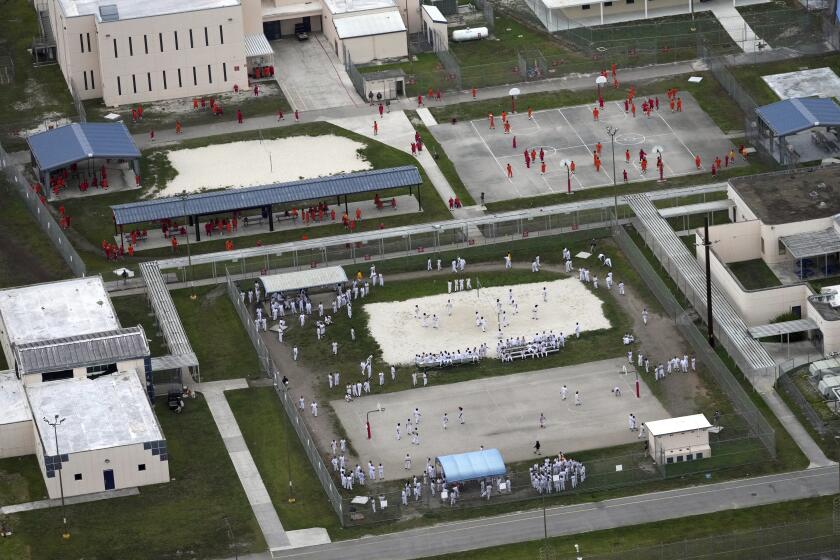
Overview of the Human Rights Watch Report
A recent report by Human Rights Watch has highlighted serious concerns regarding the living conditions of detainees in three Florida Immigration and Customs Enforcement (ICE) detention centers. The findings, based on interviews with 11 individuals currently or recently detained at these facilities, reveal alarming violations of human rights standards.
The report includes insights from family members of seven detainees and 14 immigration lawyers, resulting in a comprehensive 92-page document that outlines the deplorable conditions faced by those held in the following centers: Krome North Service Processing Center, the Broward Transitional Center, and the Federal Detention Center.
Conditions at Krome North Service Processing Center
At Krome, several detainees shared harrowing experiences. One female detainee described being crammed into a holding cell with dozens of other women under unsanitary conditions. She recounted how there was only one toilet that was covered in feces, and despite repeated requests for cleaning, no action was taken.
Other women at Krome were shackled during bus transfers without access to food or water. One man described the bus as having a single toilet that did not flush properly, leading to a strong smell of feces due to prolonged use.
Additionally, eight detainees reported spending days in processing cells known as "la hielera," which translates to "the icebox" because of its freezing temperatures. These rooms had no bedding or proper clothing, leaving detainees exposed to extreme cold. One 27-year-old from Honduras stated she felt as though she might experience hypothermia.
Women at Krome also claimed they were held in processing alongside men, forced to use restrooms in front of them and not given adequate medical care.
Treatment at the Federal Detention Center
Men at the Federal Detention Center alleged they were constantly mocked and humiliated by guards and medical staff. Some detainees were shackled to others in cramped cells and subjected to invasive cavity searches without justification after visits. One detainee described being forced to get completely naked in front of a guard, turn around, bend down, and cough.
Another man claimed he was denied essential medications and held overnight in a poorly maintained exam room without food or water while coughing up blood. He also mentioned that meals were served late and that detainees were chained, forcing them to eat like animals.
Mental Health Concerns at the Broward Transitional Center
Detainees experiencing mental health issues at the Broward Transitional Center are allegedly placed in solitary confinement for weeks. A female detainee said that if someone asked for help, they would be isolated, and if they cried, they might be taken away for two weeks. This led to a culture of silence among detainees.
The center is also reportedly conducting frequent lockdowns, during which detainees are denied medical attention and unable to go outside for days. These measures, along with impromptu transfers and limited phone access, have significantly impacted the mental health of detainees.
Government Response
In response to the allegations, Department of Homeland Security Assistant Secretary Tricia McLaughlin denied the claims about substandard conditions at ICE detention centers. She stated that all detainees are provided with proper meals, medical treatment, and communication opportunities with family and lawyers.
McLaughlin emphasized that ensuring the safety, security, and well-being of individuals in custody is a top priority. She also addressed the specific claims about women at Krome, stating that it is not uncommon for female detainees to be staged there and that they are not placed in general population with male detainees.
This report underscores the urgent need for improved conditions and accountability within the U.S. immigration detention system.

Post a Comment for "Human Rights Watch Exposes Harsh Treatment of ICE Detainees"
Post a Comment