How Wisconsin's Local Governments Are Spending Opioid Settlement Millions
Understanding the Opioid Settlement Funds in Wisconsin
Wisconsin and its local governments are set to receive over $780 million by 2038 as part of a national legal settlement addressing the role of drug manufacturers, distributors, and pharmacies in the opioid crisis. This funding could significantly impact efforts to reduce drug-related deaths. However, tracking how these funds are being spent remains a challenge.
While Wisconsin has made some progress in making information about the settlement accessible, advocates believe there is still room for improvement, especially regarding transparency at the local level. Some local governments have not submitted required reports on time, and errors have been found in documents from more than a dozen local entities.
The state receives 30% of the total settlement funding and maintains a web page detailing its spending. The remaining funds flow to 71 counties and 16 municipalities, with Polk County being the only exception, as it declined to join the lawsuit. These funds are intended as compensation for a public health crisis that claimed the lives of at least 14,747 Wisconsinites between 2000 and 2023.
Local governments have already spent $20 million in the first three years of disbursements, investing in various initiatives such as residential treatment programs, jail recovery efforts, police technology, and school-based drug prevention campaigns. However, this amount represents less than 15% of the total funds received. With over $115 million currently in county and municipal accounts and an additional $400 million expected, spending is anticipated to increase in the coming years.
Transparency and Reporting Challenges
A 2021 state law mandates that local governments use opioid settlement funds for approved purposes related to the opioid crisis. However, the law does not require local officials to report how they spend the money. Instead, they are only required to disclose the amount received and spent, along with year-end balances.
Nationwide, debates continue about the best use of these funds, including whether to invest in policing or harm reduction strategies like supervised drug use. Experts emphasize the importance of transparency and involving those directly impacted by the opioid epidemic in decision-making processes.
Rick Schaefer, who lost his job and home due to opioid addiction, believes people with lived experience should play a more active role in how the funds are spent. He notes that many individuals he speaks to are unaware of the settlement funding. While he wishes for greater public engagement, he also wants governments to better involve affected communities.
Some localities have taken steps to include people with lived experience on advisory committees, post detailed spending information online, conduct surveys, and hold community events. The majority of Wisconsin’s local governments provide additional details through annual surveys conducted by the Wisconsin Counties Association.
Milwaukee County is recognized as a model for transparency and public involvement, submitting extensive details alongside its required figures. However, a dozen counties and municipalities have either skipped or minimally answered optional questions. Several failed to report spending totals after deadlines, and seven submitted reports only after being prompted by a reporter.
Lessons from Past Settlements
Drug overdose rates in Wisconsin and across the country saw a decline in 2024, marking the first annual decrease since 2019. Giavana Margo, Wisconsin program manager for Vital Strategies, acknowledges this progress but highlights the uneven nature of the improvements. Black and Indigenous communities continue to face disproportionate impacts, with older Black men in Milwaukee accounting for a growing share of drug-related deaths.
Wisconsin still recorded over 1,000 drug-related deaths from February 2024 to February 2025, according to preliminary CDC data. Advocates stress the need for strategic use of settlement funds to save lives. This approach contrasts with past experiences, such as the tobacco settlement in 1998, where most states used the funds to address budget shortfalls rather than prevention efforts.
Kristen Pendergrass of Shatterproof emphasizes the importance of transparency to avoid repeating past mistakes. Wisconsin has made strides in this area, with the Department of Health Services detailing $36 million in spending so far, much of it allocated to treatment center construction and renovation.
Public Input and Community Engagement
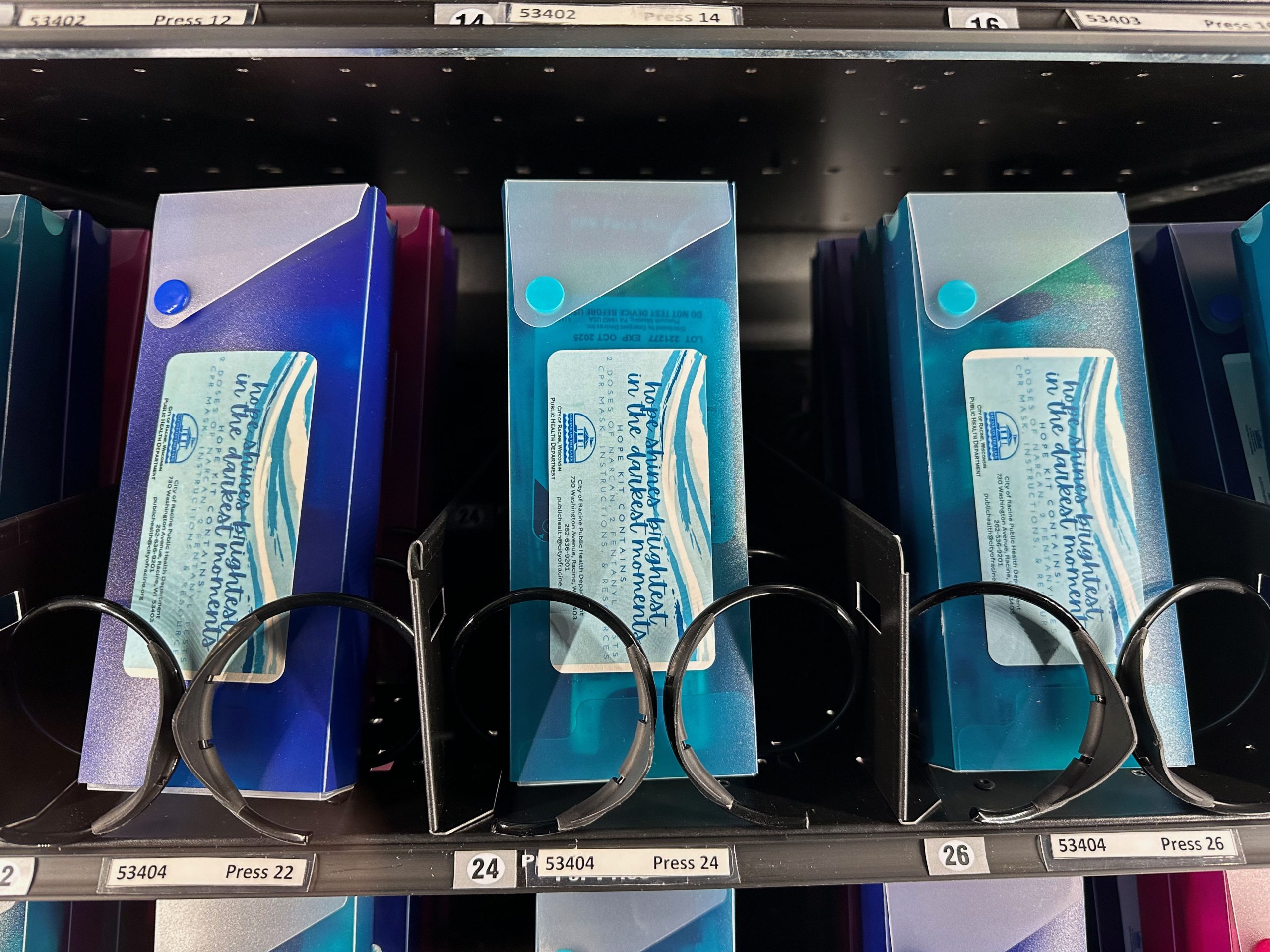
Public input and community engagement are critical components of effective use of settlement funds. Many local governments have reported purchasing drugs like Narcan and providing training for its use. However, DUO Wisconsin members, an organization for current and former drug users, emphasize the need for more direct involvement from those impacted by the crisis.
Jess Morrow, a DUO member, points out that even when local governments seek input, people often don’t know how to get involved or whether their voices will be heard. Dane County, which includes public meetings on opioid settlement spending and involves people with lived experience on its advisory committee, serves as a positive example.
Despite these efforts, some local governments have yet to spend any of the settlement funds. Nearly 30 counties and municipalities reported zero spending, citing a lack of guidance on how to use the funds effectively. While delaying spending may be justified in some cases, advocates stress the importance of explaining these decisions to the public.
Future Outlook
With the potential to save lives, the opioid settlement funds represent a significant opportunity for Wisconsin. As local governments continue to navigate the complexities of spending and reporting, the focus remains on transparency, community involvement, and strategic allocation of resources to address the ongoing opioid crisis.

Post a Comment for "How Wisconsin's Local Governments Are Spending Opioid Settlement Millions"
Post a Comment