How Ukraine's Drones Disrupted Russia's Munitions Supply: The Science of the Attack
The Strategic Significance of the Nevinnomyssk Azot Plant
The Nevinnomyssk Azot plant, a crucial component of Russia’s military-industrial complex, plays a pivotal role in the production of essential chemicals used for creating high explosives. This facility, owned by EuroChem, produces approximately one million tons of ammonia and over one million tons of ammonium nitrate annually. These substances are vital for manufacturing acetic acid and nitric acid, which are necessary for producing explosives like HMX (octogen) and RDX (hexogen). These compounds are critical for shell rounds and missile fuel, making the plant a key target in any conflict involving Russia.
Between 2022 and 2024, significant quantities of acetic acid and nitric acid were exported from the Nevinnomyssk Azot plant to the Sverdlov munitions plant, highlighting its strategic importance in Russia's military supply chain. The July 25 drone attack on this facility was not an isolated incident but part of a broader Ukrainian campaign targeting 10 Russian regions in a single night. Russian air defenses intercepted over 300 drones, with 37 falling near the Nevinnomyssk area alone. Eyewitness accounts and videos from independent outlets confirm that the Azot plant was indeed targeted.
This attack followed a similar strike in mid-June, which forced the plant to shut down operations, damaged anti-drone equipment, and evacuated 800 workers to bomb shelters. This incident demonstrated how technological attacks can effectively immobilize industrial capabilities, disrupting production and threatening the stability of the military supply chain.
The Technology Behind the Attack
The production of RDX and HMX involves large volumes of concentrated nitric and acetic acid. Disrupting the supply of these chemicals can significantly slow down shell production and halt the entire series of high-explosive production. Andriy Kovalenko, director of Ukraine’s Center for Countering Disinformation, emphasized the plant's critical role in Russia’s defense production, noting that its output forms the basis for conventional ammunition as well as sophisticated warhead propellants.
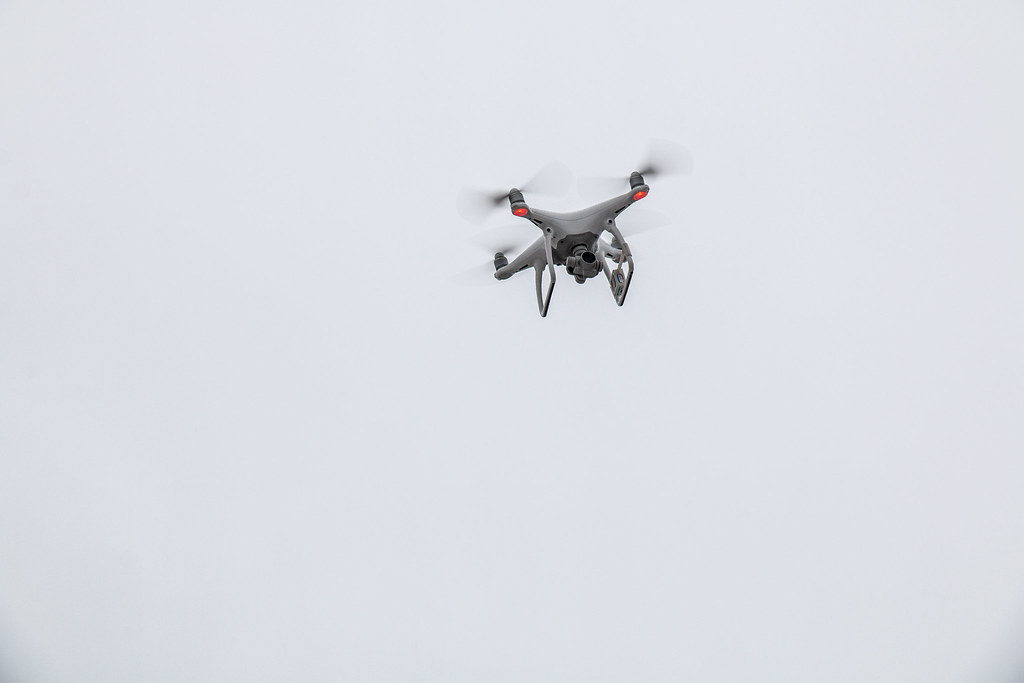
Ukraine’s advanced drone capabilities have been instrumental in executing such deep strikes. The recent operations involved first-person view (FPV) drones and extended-range UAVs, some of which are assembled or coordinated within Russian borders. Ukrainian operators have also used civilian trucks to transport camouflaged drone launching pads disguised as prefabricated cabins. Once on site, these drones are released with precision guidance, sometimes manned through the final run, as indicated by telemetry data showing "PosHold" modes on ArduPilot navigation systems.
These precision strikes have targeted locations hundreds or even thousands of kilometers from the Ukrainian border, showcasing the evolving nature of modern warfare.
Impact on Civilian and Military Infrastructure
The scale of the July operation compelled Russian officials to temporarily shut down airports in several southern cities and suspend train operations. This highlights the incapacitating power of drone warfare against both civilian infrastructure and military targets. Russian air defenses, including Pantsir and S-400 batteries, have attempted to counter these threats by adding electronic warfare systems and radar-guided interceptors around key facilities. However, the June attack on the Nevinnomyssk Azot plant not only damaged equipment but also disrupted its drone-defence systems, illustrating the ongoing struggle between drone technology and countermeasures.
The operational effects of these attacks are already evident. Following the June attack, the Azot factory halted production, and subsequent strikes have further strained Russia’s capacity to maintain a steady supply of explosive precursors. In May, similar drone raids targeted the Dmitrievsky Chemical Plant in Ivanovo and the Azot factory in Tula, both major suppliers of military chemicals. Each successful attack adds logistical burdens to Russian munitions plants, which rely on just-in-time delivery of sensitive reagents for continuous shell and missile production.
A New Era of Warfare
Ukraine’s drone campaign is more than a series of individual bombings; it represents a demonstration of engineering ingenuity, supply chain analysis, and technological adaptation. These elements are shaping the direction of contemporary combat. As both sides continue to innovate in drone technology and countermeasures, the fate of key targets like the Nevinnomyssk Azot plant could serve as a barometer for the rhythm and longevity of Russia’s military campaign into 2025.

Post a Comment for "How Ukraine's Drones Disrupted Russia's Munitions Supply: The Science of the Attack"
Post a Comment