How to Use Shopify Payment Gateways
Unlock Seamless Sales: A Simple Guide to Shopify Payment Gateways
Hey there, future e-commerce mogul! Ever wondered how those amazing online stores you frequent manage to take your money so… effortlessly? Like magic, right? Well, the secret sauce isn't actually magic, but itispretty darn cool. It all boils down to something called payment gateways. Now, I know that sounds super technical, like something only a coding wizard could understand, but trust me, it’s way simpler than conjuring a rabbit out of a hat. Think of it as the friendly cashier in your online shop, the one who handles all the credit cards and digital wallets with a smile (or, you know, a secure server).
Imagine you're at your favorite coffee shop. You order a latte, whip out your credit card, andpoof, the barista swipes it, and you’re on your way, caffeinated and happy. A payment gateway does the same thing online. It securely transmits your customer's payment information from your Shopify store to the bank or payment processor, and then relays the "approved" or "denied" message back to your store. Without it, your online store would be like a coffee shop that only accepts IOUs – not exactly a recipe for success! So, How to Use Shopify Payment Gateways?
But wait, there's more! Choosing the right payment gateway is like picking the perfect coffee blend – it can seriously impact your customer's experience and, ultimately, your sales. A clunky, unreliable gateway can lead to frustrated customers abandoning their carts faster than you can say "pumpkin spice latte." But a smooth, secure, and convenient gateway? That's the golden ticket to happy customers and a thriving online business. The good news is that Shopify makes setting this all up incredibly straightforward. You don’t need to be a tech genius or hire an expensive developer to get started.
So, grab your metaphorical coffee, settle in, and let's dive into the wonderful world of Shopify payment gateways. We're going to break down everything you need to know, from choosing the right gateway to setting it up and troubleshooting common issues. By the end of this, you'll be a payment gateway pro, ready to accept payments like a seasoned e-commerce champion! Ready to unlock the secrets to seamless online sales? Let’s get started!
How to Use Shopify Payment Gateways: A Comprehensive Guide
Alright, let's get down to business. Setting up your Shopify payment gateway is crucial for running a successful online store. It’s the key to getting paid, so let’s make sure we do it right. Here's a step-by-step guide, broken down into easy-to-digest chunks.
Understanding Your Options
Before we jump into the how-to, it's important to understand the landscape of payment gateways available to you. Think of it as knowing your coffee bean options before ordering that perfect cup. Each gateway has its own pros, cons, and fee structures.
-
Consider Shopify Payments: Shopify Payments is Shopify's own payment gateway, and it's often the easiest option for beginners. It integrates seamlessly with your Shopify store, meaning no messy third-party integrations to worry about. Plus, in many regions, it offers competitive processing fees. If you’re just starting out, this is usually the best place to begin. Real life example, I recently helped a friend setup their Shopify store and initially, we were overwhelmed with the payment gateway options. Upon doing research, we found that Shopify Payments was indeed the most seamless and affordable.
-
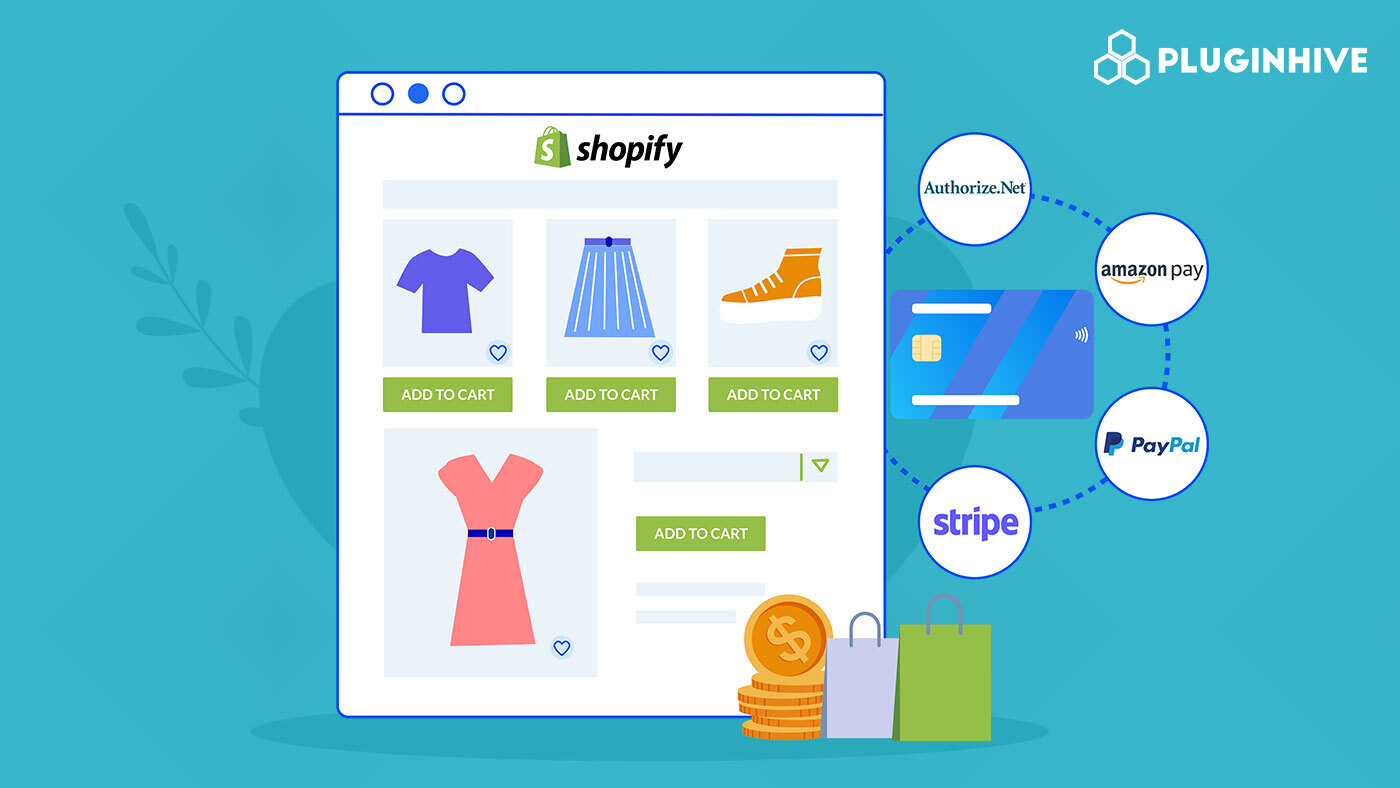
Explore Third-Party Gateways: If Shopify Payments isn't available in your region or you have specific needs (like accepting cryptocurrency), you’ll need to consider third-party gateways. Popular options include Pay Pal, Authorize.net, Stripe, and many others. Each has its own fee structure, supported currencies, and features. Some also offer advanced fraud protection or integration with other services you might use.
-
Factor in Transaction Fees: This is where the rubber meets the road. Every payment gateway charges transaction fees, which are a percentage of each sale plus a fixed fee. Shopify Payments often has lower fees than third-party gateways, but it's important to compare all your options. Do the math and see which one works best for your business model. Remember to factor in your average order value; a gateway with a slightly higher percentage but lower fixed fee might be cheaper for higher-priced items.
-
Think About Customer Preferences: Consider what payment methods your customers are most likely to use. For example, if you're selling internationally, you might want to offer local payment options. Some gateways specialize in specific regions and support popular local payment methods. The more options you give your customers, the more likely they are to complete their purchase. Don’t assume everyone uses credit cards!
Setting Up Shopify Payments

Okay, let’s assume you've decided to go with Shopify Payments. Here’s how to get it up and running – it's actually quite simple.
-
Go to Your Shopify Admin: Log in to your Shopify account and head to the "Settings" section in the bottom-left corner. This is your mission control for all things Shopify. Think of it as the cockpit of your e-commerce spaceship.
-
Navigate to Payment Providers: Click on "Payments" to access your payment settings. This is where the magic happens. You’ll see a list of available payment providers.
-
Activate Shopify Payments: If you're eligible, you'll see an option to activate Shopify Payments. Click on "Activate Shopify Payments" and follow the instructions. Shopify will ask for some information about your business, including your business address, tax ID, and bank account details. This is necessary for them to verify your identity and deposit your earnings.
-
Verify Your Bank Account: Shopify will likely ask you to verify your bank account. This usually involves entering your bank account and routing number. They might also send a small test deposit to your account, which you'll need to confirm. Don't worry; this is a standard security measure.
-
Configure Payment Settings: Once Shopify Payments is activated, you can configure your payment settings. This includes setting your payout schedule (how often Shopify deposits your earnings into your bank account), enabling or disabling different payment methods (like credit cards, debit cards, and Shop Pay), and customizing your customer billing statement.
Connecting a Third-Party Payment Gateway
If Shopify Payments isn't right for you, or you need to use a specific third-party gateway, here's how to connect it.
-
Choose Your Gateway: First, you need to choose the third-party gateway you want to use. Do your research and compare the options carefully. Consider factors like transaction fees, supported currencies, and customer reviews.
-
Create an Account: Once you've chosen a gateway, you'll need to create an account with them. This usually involves providing information about your business and verifying your identity. Some gateways may require a credit check or additional documentation.
-
Find Your API Credentials: After you’ve created your account, you’ll need to find your API credentials. These are unique codes that allow your Shopify store to communicate with the payment gateway. The location of these credentials varies depending on the gateway, but they're usually found in your account settings or developer documentation.
-
Connect the Gateway to Shopify: Back in your Shopify admin, go to "Settings" > "Payments" > "Third-party providers." Select your chosen gateway from the list and enter your API credentials. Shopify will guide you through the connection process.
-
Test Your Connection: Once you've connected the gateway, it's important to test it to make sure everything is working correctly. Most gateways offer a test mode that allows you to simulate transactions without actually charging your card. Use this to verify that payments are processed correctly and that your orders are being updated in Shopify.
Optimizing Your Payment Gateway for Success
Setting up your payment gateway is just the first step. To really maximize your sales, you need to optimize it for the best possible customer experience.
-
Enable Multiple Payment Options: As we mentioned earlier, offering multiple payment options is crucial. Customers appreciate having choices, and if their preferred payment method isn't available, they might abandon their cart. Enable options like credit cards, debit cards, Pay Pal, Apple Pay, Google Pay, and any other relevant local payment methods.
-
Customize Your Checkout Page: Your checkout page is the last step in the buying process, so it needs to be as smooth and frictionless as possible. Customize it to match your brand's look and feel. Keep it simple and uncluttered, and remove any unnecessary distractions. Make sure it's mobile-friendly and easy to navigate.
-
Implement Fraud Protection: Fraud is a serious concern for online businesses. Implement fraud protection measures to protect yourself and your customers. Many payment gateways offer built-in fraud protection tools, such as address verification (AVS) and card verification value (CVV) checks. You can also use third-party fraud prevention apps to add an extra layer of security.
-
Monitor Your Transaction History: Keep a close eye on your transaction history to identify any potential issues. Look for suspicious activity, such as unusually large orders or multiple orders from the same IP address. If you see anything suspicious, contact your payment gateway and investigate further.
-
Offer Express Checkout Options: Express checkout options, like Shop Pay, Apple Pay, and Google Pay, allow customers to quickly complete their purchase without having to enter their shipping and billing information. This can significantly reduce cart abandonment rates and boost your sales.
Troubleshooting Common Issues
Even with the best setup, you might encounter some issues along the way. Here are some common problems and how to fix them.
-
Payment Declines: Payment declines are frustrating for both you and your customers. The first step is to find out why the payment was declined. The payment gateway should provide a reason code, which can help you diagnose the problem. Common reasons include insufficient funds, incorrect card information, or fraud alerts. If the customer is using a credit card, advise them to contact their bank or try a different payment method.
-
Gateway Connection Errors: Sometimes, your Shopify store might lose connection with your payment gateway. This can be caused by a variety of factors, such as server outages, API changes, or incorrect credentials. Check your payment gateway's status page to see if there are any known issues. If not, double-check your API credentials and make sure they're entered correctly in Shopify.
-
Payout Delays: Payout delays can be a major headache, especially if you rely on timely payments to manage your cash flow. Check your payment gateway's payout schedule to see when you can expect your funds to be deposited. If you haven't received your payout on time, contact your payment gateway's support team.
-
Fraudulent Transactions: If you suspect a fraudulent transaction, take immediate action. Contact your payment gateway and your customer's bank to report the fraud. You may also need to file a police report. Implement fraud prevention measures to minimize the risk of future fraudulent transactions.
-
Currency Conversion Issues: If you're selling internationally, you might encounter currency conversion issues. Make sure your payment gateway supports the currencies you need to accept payments in. Also, be aware of currency exchange rates and how they can affect your pricing.
Frequently Asked Questions
Let's tackle some common questions you might have about Shopify payment gateways.
Q: What's the difference between a payment gateway and a payment processor?
A: Think of the payment gateway as the messenger that securely transmits the payment information, and the payment processor as the entity that actually processes the transaction and moves the funds. The gateway connects your store to the processor. In some cases, like with Shopify Payments, the gateway and processor are integrated.
Q: How do I choose the right payment gateway for my business?
A: Consider factors like transaction fees, supported currencies, customer preferences, integration with your existing systems, and security features. Do your research, compare options, and choose the gateway that best meets your specific needs.
Q: Can I use multiple payment gateways on Shopify?
A: Yes, Shopify allows you to use multiple payment gateways. This can be useful if you want to offer a wider range of payment options to your customers or if you want to mitigate the risk of a single gateway outage.
Q: How do I handle refunds with Shopify payment gateways?
A: Refunds are typically processed through your Shopify admin. Simply find the order you want to refund, click on "Refund," and follow the instructions. The refund will be processed through the payment gateway used for the original transaction.
Conclusion
Congratulations, you've made it to the end! You're now equipped with the knowledge to navigate the world of Shopify payment gateways with confidence. We've covered everything from understanding your options and setting up your gateway to optimizing it for success and troubleshooting common issues. Remember, choosing the right payment gateway is a crucial decision that can significantly impact your sales and customer experience. Take the time to research your options, compare the fees and features, and choose the gateway that best meets your specific needs.
The world of e-commerce is constantly evolving, so it's important to stay up-to-date on the latest trends and technologies. Keep an eye on new payment methods, emerging security threats, and changes in regulations. By staying informed and adapting to change, you can ensure that your Shopify store remains competitive and profitable. And remember, a smooth and secure payment process leads to happy customers, which leads to repeat business and ultimately, a thriving online store.
So, what’s next? It’s time to put this knowledge into action. Take a look at your current payment gateway setup. Are you using the most efficient and cost-effective solution? Are you offering your customers the payment options they prefer? If not, now is the time to make a change. Go to your Shopify settings, explore your options, and start optimizing your payment gateway for success. Don't be afraid to experiment and try new things. The key is to find what works best for your business and your customers.
Now, go forth and conquer the e-commerce world, one seamless transaction at a time! You’ve got the tools, you’ve got the knowledge, and now you’ve got the call to action. Remember, every successful online store starts with a solid foundation, and that foundation includes a reliable and customer-friendly payment gateway. Are you ready to transform your Shopify store into a revenue-generating machine? You got this!

Post a Comment for "How to Use Shopify Payment Gateways"
Post a Comment