How to Spot Wood Rot Type Before Repairing (And Why It Matters)
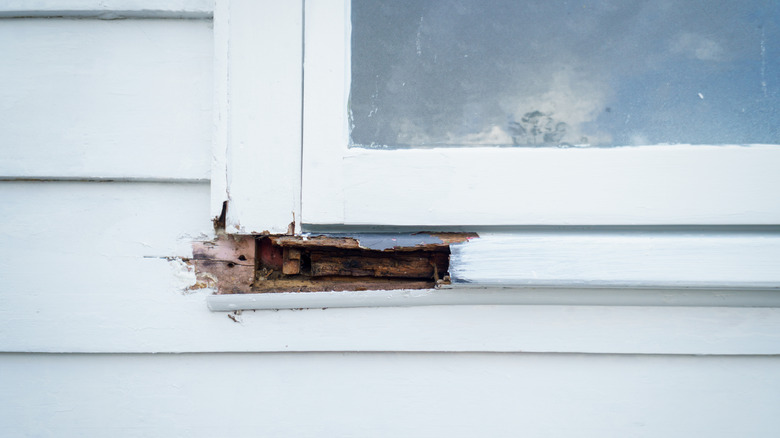
Understanding Wood Rot and Its Impact on Your Home
Wood is a versatile and aesthetically pleasing material used in a wide range of applications, from construction to furniture making. However, as an organic material, it is susceptible to damage, decay, and rot. This natural process can be unsightly and dangerous, especially when it affects the structural integrity of your home. If you're working on an exterior DIY project, choosing the right type of wood is crucial to prevent issues like wood rot.
Choosing the Right Wood for Your Project
Certain areas of your home are more prone to wood rot due to constant exposure to moisture and other environmental factors. Outdoor decks, roofs, and basements are common spots where wood can deteriorate over time. Before starting any project, it's essential to select wood that is naturally resistant to rot. This not only extends the lifespan of your work but also reduces the risk of costly repairs down the line.
If you suspect that wood in your home is already rotted, identifying the type of rot is the first step toward effective repair. Knowing the kind of rot will help you assess how quickly it might spread and what kind of action you need to take.
Types of Wood Rot
There are two main types of wood rot: dry rot and wet rot. Dry rot, also known as brown rot, is caused by a specific fungus called Serpula lacrymans. This fungus can weaken wood significantly, turning it brittle and flaky. One of the early signs of dry rot is a rust-colored dust, which indicates the presence of spores. Since dry rot can spread rapidly, it's important to address it as soon as possible.
Wet rot, on the other hand, occurs in damp conditions and is commonly found in humid regions. It is also caused by fungi that break down the wood, leaving it soft and spongy. Wet rot often appears in areas where moisture accumulates, such as basements, near plumbing fixtures, or around windows and doors. If left unchecked, the fungi can grow fruiting bodies that resemble mushrooms. While mushrooms may be trendy in some design circles, they are definitely not welcome in your home.
Identifying and Addressing Wood Rot
To check if wood is rotted, you can use a simple test with a screwdriver or pick. Look for discoloration and poke the wood with your tool. If the wood feels soft or gives way easily, it may be damaged. Another method is to pry out a piece of wood with the tool. Healthy wood will make a crisp snapping sound, while rotted wood will produce a dull noise and break apart more easily.
Once you've confirmed that the wood is affected, the best solution is to remove and replace the damaged sections. If the rot is minor, you may be able to salvage the wood by applying a wood preservative or restorer. Products like the Bondo Rotted Wood Restorer can help restore weakened wood and prevent further damage. In addition, drying the area, fixing leaks, and reducing moisture levels through dehumidification can help prevent future rot.
Preventing Future Damage
Prevention is always better than repair when it comes to wood rot. If you're planning to build a deck or undertake another outdoor project, consider using naturally resistant woods like teak, oak, or cedar. These materials are more durable and less likely to succumb to rot. By taking proactive steps, you can protect your home and reduce the need for extensive repairs in the future.
Whether you're a seasoned DIY enthusiast or just starting out, understanding wood rot and how to manage it is essential for maintaining the health and longevity of your home. With the right tools, knowledge, and preventive measures, you can keep your wooden structures strong and beautiful for years to come.
)
Post a Comment for "How to Spot Wood Rot Type Before Repairing (And Why It Matters)"
Post a Comment