How to Make Your Own Windshield Washer Fluid
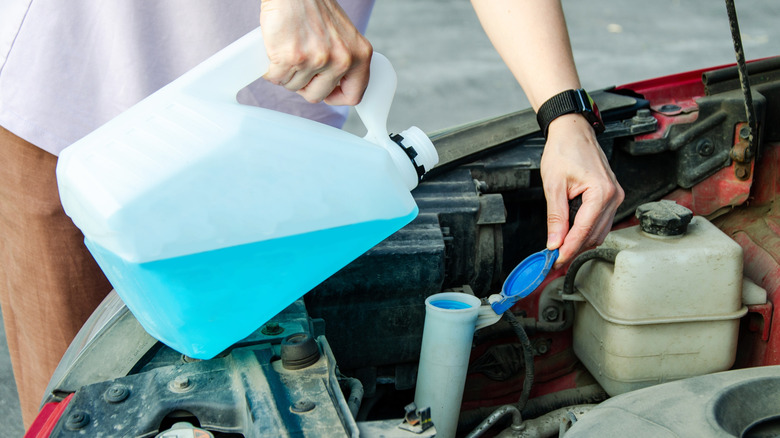
The Benefits of Making Your Own Windshield Washer Fluid
Keeping your windshield clean is essential for safe driving, especially when dealing with bug residue in the summer or sludge buildup in the winter. Windshield washer fluid plays a key role in maintaining visibility and ensuring you can see clearly while on the road. While commercial options are available, they often come at a high price and may contain harsh chemicals. However, making your own windshield washer fluid at home offers a cost-effective and environmentally friendly alternative.
A homemade gallon of washer fluid typically uses about one cup of white vinegar (around $0.35) and one to two cups of 91% isopropyl alcohol (costing roughly $1.00 to $2.00 depending on the size of the bottle). In addition, you'll need about $1 for distilled water and a few cents for liquid dish soap. This brings the total cost per gallon to approximately $2.35 to $3.35, which could save up to 40% compared to some commercial formulas. Store-bought fluids are convenient, but they often include additives like methanol and colorants that aren't necessary. By making your own, you can avoid these unnecessary ingredients and customize the formula based on your specific needs.
How to Make Your Own Windshield Washer Fluid
Creating your own windshield washer fluid is a simple process that only takes a few minutes. Here’s how to do it:
- Start by pouring off one cup of distilled water from a gallon jug. This can be poured into the washer reservoir or disposed of.
- Add one tablespoon of liquid dish soap to the remaining distilled water. This helps cut through grime and debris.
- Next, add one cup of white vinegar to the mixture. Vinegar enhances the cleaning power of the solution and reduces streaking.
- For winter conditions, add one to two cups of isopropyl alcohol to the mix. Two cups is recommended for extremely cold climates. Be sure to pour off additional distilled water to accommodate the alcohol, but avoid adding this extra water directly to the reservoir as it could make the fluid more prone to freezing.
Once all the ingredients are added, shake the container thoroughly and pour the mixture into the washer reservoir. Any leftover fluid should be labeled clearly and stored out of reach of children and pets, as isopropyl alcohol is toxic if ingested.
Why Choose DIY Windshield Washer Fluid?
While the savings from making your own windshield washer fluid may seem small, they can add up over time, especially if you use several gallons a year or maintain multiple vehicles. Buying larger quantities of the ingredients can lead to even greater savings. However, keep in mind that isopropyl alcohol has a shelf life of about three years, so it's best to avoid purchasing more than you can reasonably use.
Another advantage of making your own fluid is its environmental impact. Commercial washer fluids often contain methanol, which is toxic and can be harmful to the environment. In contrast, isopropyl alcohol is less toxic and commonly found in hand sanitizers. By choosing a homemade solution, you reduce your exposure to harsh chemicals and minimize waste.
There are also personal benefits to making your own washer fluid. It gives you the satisfaction of doing something yourself and allows you to tailor the formula to your specific driving conditions. You can adjust the amount of alcohol for colder weather or tweak the levels of dish soap and vinegar to better handle road grime and bug residue.
Additional Tips and Considerations
When mixing your own washer fluid, it's a good idea to inspect your windshield wipers as well. Worn or damaged wipers can affect the effectiveness of the fluid, so replacing them when needed ensures optimal performance. Additionally, using distilled water instead of tap water helps prevent mineral buildup and clogging in the washer system.
For those looking to further enhance their car care routine, there are other tips and tricks to explore. From defrosting techniques in the winter to maintaining your vehicle's overall performance, there are plenty of ways to stay prepared for any driving condition. Whether you're looking to save money, protect the environment, or simply enjoy the satisfaction of a job well done, making your own windshield washer fluid is a smart and practical choice.

Post a Comment for "How to Make Your Own Windshield Washer Fluid"
Post a Comment