How Starmer Taught Zelensky to Talk Like Trump
The Diplomatic Tightrope: Navigating Trump’s White House
The atmosphere in Downing Street has been tense as British officials grapple with the unpredictable nature of the Trump administration. This sense of unease was palpable following a high-profile meeting between Donald Trump and Ukrainian President Volodymyr Zelensky, where the latter faced harsh criticism from Vice President JD Vance. Just a day prior, Prime Minister Sir Keir Starmer had successfully navigated his first meeting with Trump, showcasing a delicate balance of flattery and strategic diplomacy.
Starmer's efforts were met with enthusiasm from the US president, who expressed support for the UK's decision to relinquish control over the Chagos Islands and showed interest in a potential trade deal. However, the subsequent encounter with Zelensky revealed a stark contrast, as the Ukrainian leader was criticized for not expressing gratitude to America. This incident left Starmer and his team reflecting on their lack of preparation for Zelensky's approach.
In response to this setback, a new strategy is being adopted by London and other European capitals. This approach will come into play when Zelensky travels to Washington alongside his allies. A similar trip had been planned shortly after the Oval Office incident, with Starmer, French President Emmanuel Macron, and others attempting to mend relations. Unfortunately, these efforts did not materialize as hoped.
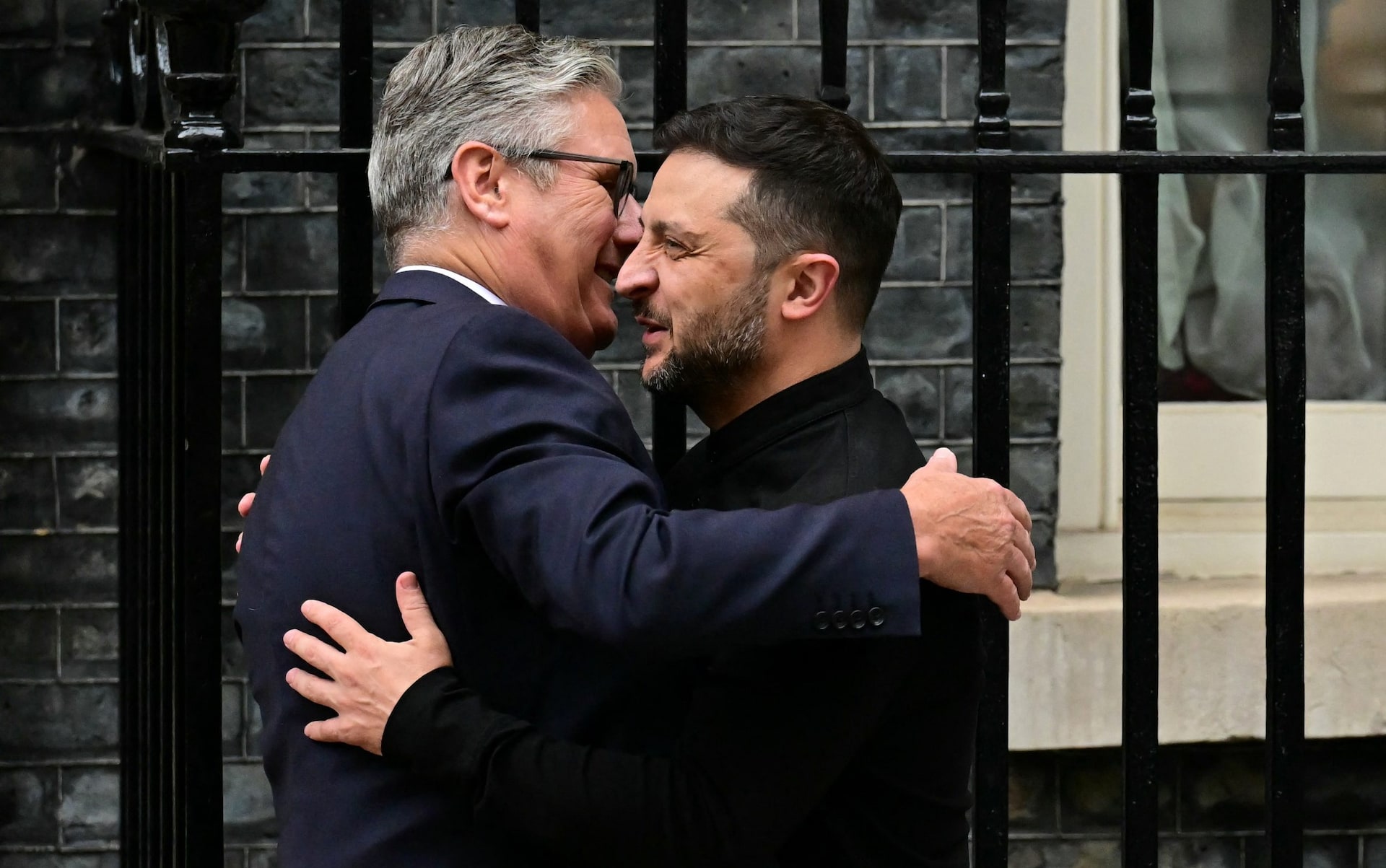
Instead, Starmer took a different route, publicly showing support for Zelensky by hugging him outside No. 10. Since then, there has been a concerted effort by British ministers to teach Zelensky how to "speak Trump." Notably, Zelensky now often begins conversations with American counterparts by expressing gratitude for U.S. support, a nod to what Vance had demanded.
Jonathan Powell, Starmer's national security adviser, has worked closely with Ukrainian leaders to develop strategies that align with the goals of a Trump administration. Starmer's inner circle believes they have identified the best way to influence Trump from the outside. Their approach includes avoiding direct confrontation with Trump's provocative statements and refraining from public attempts to corner him, as this could lead to backlash.
Instead, they focus on public praise for Trump while working behind the scenes to guide him toward positions that serve their national interests. This strategy was evident in Starmer's statement following Trump's meeting with Putin in Alaska, which emphasized the importance of peace rather than condemnation.
European allies have also reached similar conclusions, recognizing the need to be present alongside Zelensky in Washington to avoid another potential clash. Leaders such as Macron, German Chancellor Friedrich Merz, European Commission President Ursula von der Leyen, and NATO Secretary General Mark Rutte will all be in attendance. Rutte's previous actions at the NATO summit, where he referred to Trump as "daddy," demonstrate a similar approach to Starmer's.
The decision to travel to Washington highlights a growing concern among European leaders. The effort to rally prominent figures, despite the disruption to their schedules, underscores the uncertainty and fear surrounding the current political climate.
Two former British ambassadors to Washington have expressed their concerns about the situation, noting the importance of countering Putin's narrative. Lord Darroch, who served as ambassador during Trump's first term, highlighted the significance of the European delegation accompanying Zelensky. He pointed to two key concerns: Trump's belief that a comprehensive peace deal should precede a ceasefire and the suggestion that Ukraine might surrender more territory in the Donbas.
Sir Peter Westmacott, who served during Obama's tenure, echoed these sentiments, stating that the situation in Alaska went badly wrong and that Trump was seemingly "rolled over" by Putin. This perception has led to a call for robust pushback against any narratives that favor Russia.
During a press conference with von der Leyen, Zelensky outlined several points that the European contingent will emphasize during their meetings in Washington. These include pushing back against the idea of handing over Donbas to Putin, demanding an end to Russian attacks before talks, and securing meaningful guarantees for Ukraine after peace. Additionally, there will be calls for Zelensky, Putin, and Trump to negotiate territorial changes, a position Moscow is expected to reject, thereby framing Putin as the obstacle to peace.
As Starmer prepares to travel to Washington, his team believes he understands how to "speak Trump." Being present in person is another attempt to assist Zelensky in doing the same, ultimately bolstering Ukraine's cause. Whether Trump will heed these efforts remains to be seen.

Post a Comment for "How Starmer Taught Zelensky to Talk Like Trump"
Post a Comment