How Pitmasters Master Smoke for Perfect Barbecue
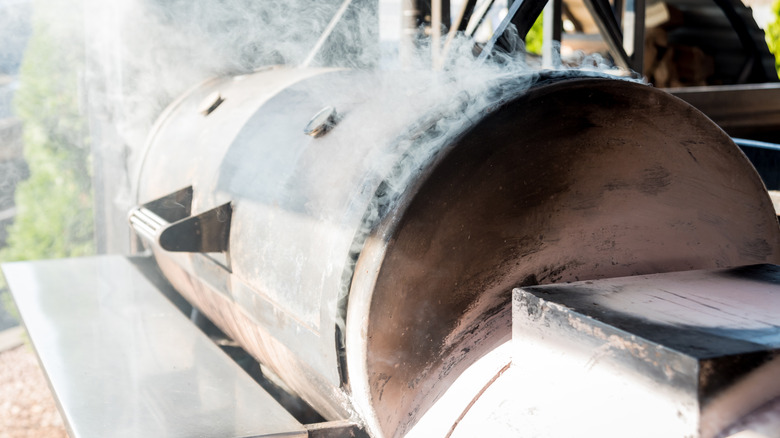
The Art of Smoke in Barbecue
When it comes to exceptional barbecue, particularly the kind served at the top-rated restaurants across the United States, the use of smoke plays a vital role. People often line up early in the morning for a taste of this culinary art. The flavor of smoke is not just an enhancement—it's a fundamental part of the experience. However, achieving the right balance can be tricky. Too much smoke and your barbecue can shift from being deliciously smoky to ashy or even burnt.
To understand how pitmasters achieve that perfect balance, insights from Brandon Hurtado, a chef and author of "Barbacoa: The Heart of Tex-Mex Barbecue," are invaluable. According to Hurtado, the key lies in the timing of smoke introduction. He begins with more smoke at the start of the cooking process and then transitions to a cleaner fire with the smoke stack open. This technique helps avoid an overly smoky or acrid taste.
But what does it mean to have a "clean" fire? As Hurtado explains, a clean-burning fire means the wood is burning efficiently. The color of the smoke is the best indicator of this. A clean fire produces light blue smoke without excessive unwanted flavors. On the other hand, heavy, dark smoke with a strong, acrid smell should be avoided. The secret to achieving this is mastering fire management, which is crucial for all smoking techniques.
Understanding Fire Management
Fire management is the cornerstone of becoming a skilled pitmaster. Hurtado emphasizes the importance of understanding the smoker you're using, along with the different fuels and environmental conditions. Proper ventilation is also essential. He notes that various factors influence how a fire is managed and the resulting barbecue smoke, including the environment and the type of wood or charcoal used.
Mastering the smoker is no small task. Hurtado doesn't shy away from highlighting the challenges involved. He mentions that it can take months, or even years of practice and experimentation with different variables to consistently produce quality results that others enjoy. While the journey may be long, the rewards are worth it.
Regional Styles and the Learning Curve
Regardless of your preferred regional barbecue style, there is a certain level of skill and patience required to get it right. The learning curve is filled with delicious, albeit imperfect, smoked meats. If your smoked pineapple ham lacks smokiness, it’s still enjoyable. Similarly, if your smoked country-style ribs are a bit too smoky, a little extra sauce can help. Once you refine your technique, you might even explore adding a touch of smoke to other dishes, such as chocolate ganache.
The path to becoming a pitmaster is one of continuous learning and refinement. Each attempt brings new insights and improvements, making the journey as rewarding as the final product. Whether you're a home cook or an aspiring professional, the key is to embrace the process and enjoy the flavorful results along the way.

Post a Comment for "How Pitmasters Master Smoke for Perfect Barbecue"
Post a Comment