How Many Trees Did Iowa Lose in the 2020 Derecho?
The Impact of the 2020 Midwest Derecho on Iowa’s Forests and Urban Areas
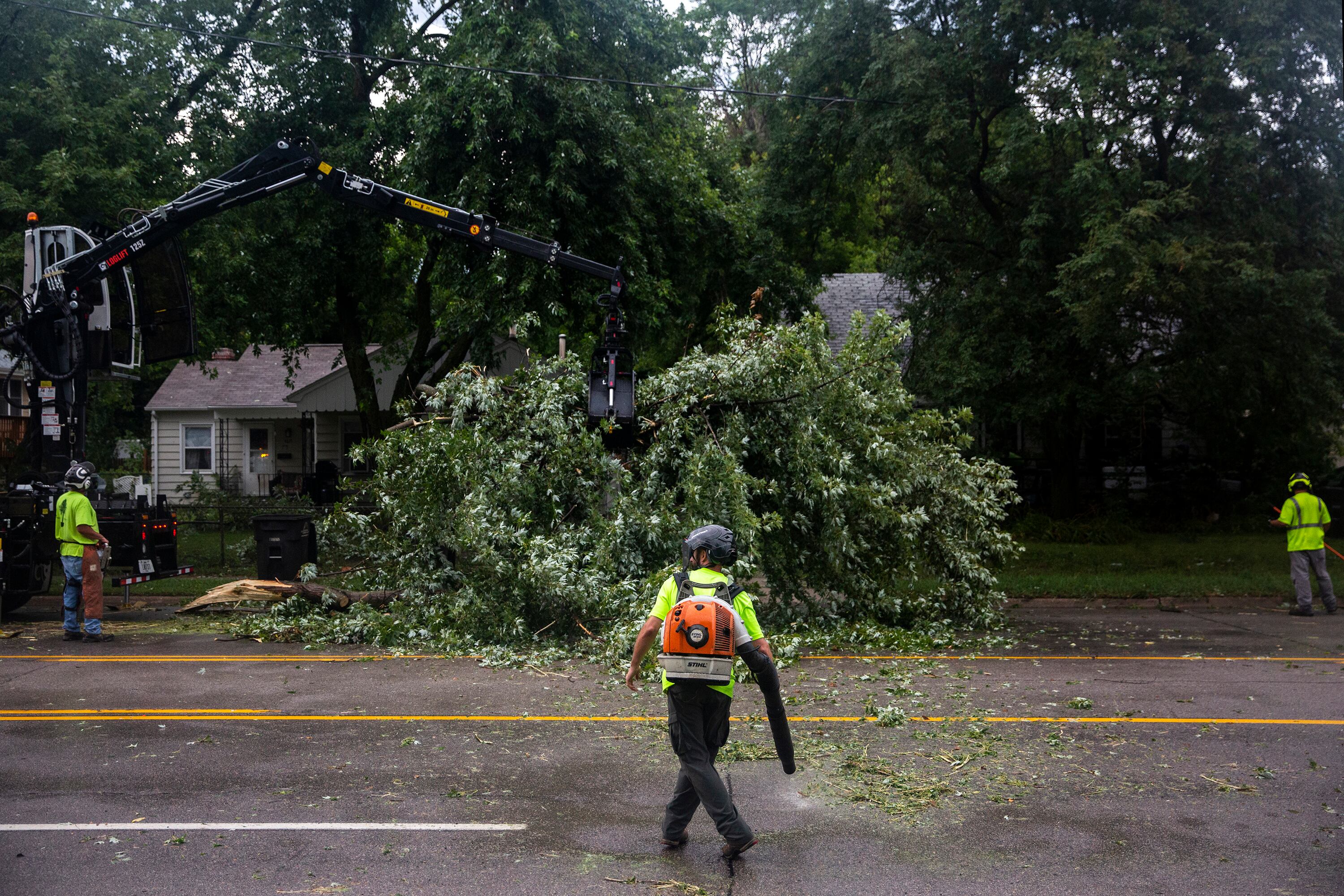
A powerful storm known as a derecho swept through Iowa in August 2020, causing widespread damage to both natural and urban environments. According to data from the Iowa Department of Natural Resources (DNR), this event resulted in the death or damage of approximately 2.67 million trees in forests and an additional 4.4 million trees in urban areas. The storm, which affected more than 770 miles across the state, led to significant destruction that impacted communities, parks, and ecosystems.
The derecho was classified as a long-lived straight-line windstorm, known for its ability to cause extensive damage over large areas. It was one of the most costly thunderstorms in U.S. history, with estimated damages reaching $11 billion across the Midwest. Twenty-seven Iowa counties were declared disaster zones due to the devastation caused by the storm.
Damage to State Parks and Forests
The impact on Iowa's state parks was severe. Over 56,800 acres of forest land were damaged, with downed trees and structures leading to power outages, closures, and disruptions in recreational activities. Several state parks experienced significant tree loss, affecting their operations and visitor experiences.
For example, Lake Macbride State Park faced extensive damage, with 314 trees affected and limited recreation opportunities until late August 2020. Rock Creek State Park also saw nearly 290 damaged trees, while Ledges State Park, located further west, had over 100 trees affected. Overall, eight state parks were impacted, with each experiencing between 20 and 130 damaged trees.
In response, forestry staff in some areas developed salvage harvest and replanting plans. One such initiative in Linn County generated $57,400 from the sale of salvaged timber. Additionally, the storm damaged around 850,000 acres of crops, highlighting the wide-reaching consequences of the event.
Urban Tree Canopy Loss and Economic Impact
The loss of urban tree canopy was another critical issue following the derecho. According to DNR, nearly 13% of the urban tree canopy was damaged, which has significant implications for environmental and economic factors. Trees play a vital role in removing pollutants, reducing air temperatures, providing shade, and sequestering carbon dioxide. The loss of this canopy is estimated to cost around $20 million annually in lost benefits.
Cedar Rapids was particularly hard hit, losing 50-65% of its urban tree canopy—approximately 670,000 trees. This disruption significantly impacted the city’s efforts to expand its tree cover from 24% to 30%. After the storm, only 8% of Cedar Rapids had canopy cover. In response, the city allocated $1 million annually for 10 years to replace the lost trees, prioritizing native species.
So far, Cedar Rapids has planted 16,500 trees on public property and distributed 7,000 saplings through the nonprofit organization Trees Forever. Similar efforts have been seen in other cities, such as Marshalltown, where the cleanup of nearly 900 damaged trees cost about $4 million. The city has since planted over 700 trees in public areas and distributed hundreds of saplings to residents.
Marion experienced a loss of 2,600 trees, representing 42% of its tree canopy. The community has since replanted 8,418 trees with support from various partners, including Trees Forever and local energy companies.
Recovery Efforts and Ongoing Challenges
To support recovery efforts, the DNR received funding from the Rebuild Iowa Infrastructure Fund. Since 2021, the department has used $250,000 annually to support community tree planting programs. Grants of up to $10,000 were available for entities planting trees on qualifying public lands within the 27-county region. Although the requirement for a local match was dropped after the second year, the program has still managed to help communities plant nearly 9,000 trees.
Despite these efforts, the need for continued investment in revitalizing Iowa’s urban and forest canopies remains. Five years after the storm, the DNR report emphasizes that recovery is an ongoing process, requiring sustained commitment and resources to restore the state’s natural environment.

Post a Comment for "How Many Trees Did Iowa Lose in the 2020 Derecho?"
Post a Comment