How Free Meals Are Fighting Childhood Obesity in New Mexico
New Mexico Faces Rising Childhood Obesity Rates
New Mexico continues to grapple with high rates of childhood obesity, with 17% of kindergarteners and 24% of third graders classified as obese. These statistics have prompted health leaders across the state to emphasize the importance of healthy meals and physical activity in schools. The issue has become a critical focus for educators and public health officials who are working together to address the growing concern.
Every year, the New Mexico Department of Health conducts body mass index (BMI) measurements at 70 randomly selected elementary schools. This ongoing effort has revealed a significant increase in obesity rates from kindergarten to third grade. Rita Condon, a representative from the department, highlighted the urgency of this issue, stating that the school environment plays a vital role in shaping children's health habits.
“Our work is to look at that window that’s pretty time sensitive to work with our districts on improving school nutrition and physical activity environments,” Condon explained. “So during the school day, they have that access to healthy foods and opportunity for physical activity.”
The pandemic has exacerbated the situation, as many families lost access to healthy food options and safe spaces for physical activity. With students no longer attending school regularly, they missed out on the structured meals and activities provided by schools. Condon noted that this disruption likely contributed to the rise in obesity rates.
To combat this trend, the New Mexico Department of Health encourages schools to apply for grants that support edible gardening programs. These initiatives aim to teach students about growing and consuming healthy foods. Additionally, the department promotes fundraisers that involve healthy eating or physical activity, such as color runs. They also work on wellness policies that help districts commit to improving nutrition and physical activity environments.
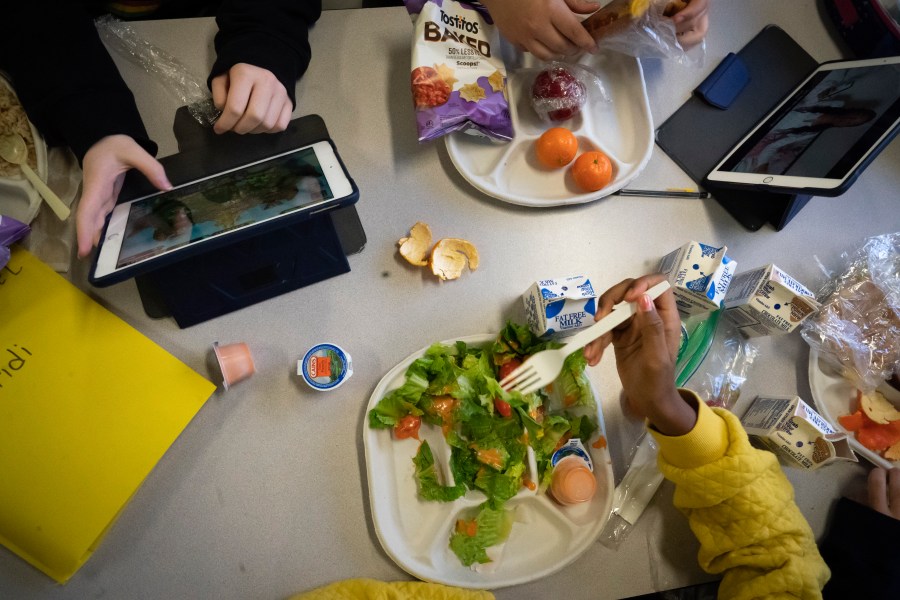
Albuquerque Public Schools (APS) has taken proactive steps to ensure students receive nutritious meals. Through the Healthy Universal School Meals program, all students get free breakfast and lunch every school day. Federal funding covers eligible students, while the state provides additional support to ensure every student has access to meals.
APS also offers the Energy Booster Program, which provides a nutritious snack to students who stay after school for enrichment activities. Sandra Kemp, a spokesperson for APS, emphasized the importance of offering low-sugar and low-sodium meals. “We have regulations we have to follow, and we want to make sure we’re in compliance and that our students can choose items,” she said.
Students are given choices during meal times, allowing them to select fruits or vegetables they prefer. This flexibility helps encourage healthier eating habits. The district also introduced the Fresh Fruits and Vegetables Program, which gives students an extra serving of exotic produce they may not be familiar with. “We wanna make sure during the school day that they are eating healthy, nutritious foods,” Kemp added.
To further support students’ nutritional needs, APS serves larger breakfasts on Mondays and more substantial dinner meals on Fridays. This approach ensures that students have proper nutrition over the weekend when they are not in school. By addressing these gaps, APS aims to create a consistent and supportive environment for healthy eating.
As New Mexico continues to face challenges related to childhood obesity, the collaboration between schools, health departments, and communities remains essential. Efforts to promote healthy lifestyles through education, nutrition, and physical activity will play a crucial role in shaping the future health of the state’s youth.

Post a Comment for "How Free Meals Are Fighting Childhood Obesity in New Mexico"
Post a Comment