How Figma's Founders Won Over an Early Investor
The Rise of Figma and the Vision of Its Early Investors
Figma’s successful initial public offering (IPO) marked a significant moment for the tech industry, signaling a revival after a three-year lull in IPO activity. This event not only highlighted the company's growth but also underscored the strategic foresight of its early supporters.
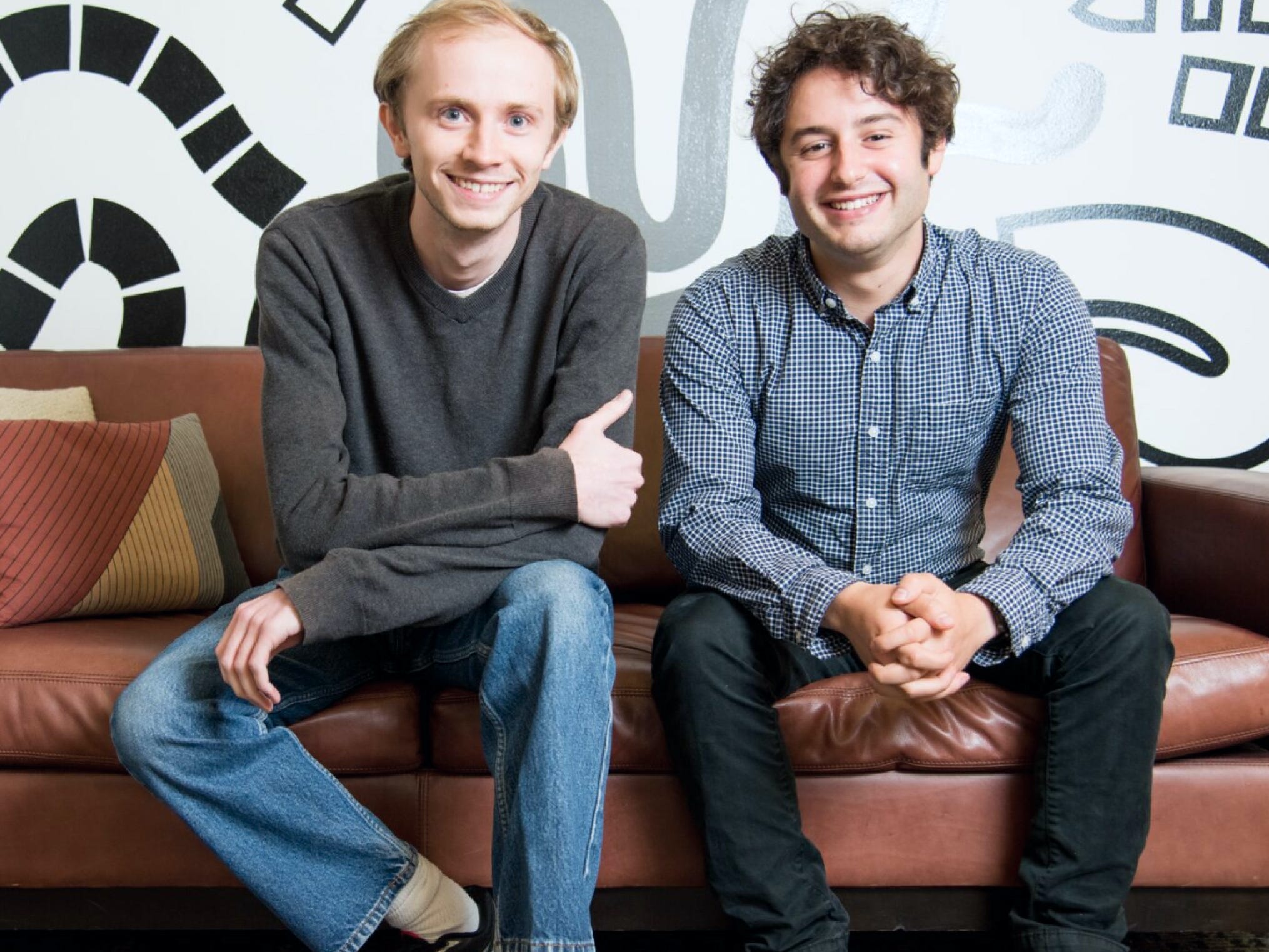
Terrence Rohan, an early investor in Figma, was among those who recognized the company’s potential long before it became a household name. His belief in the company stemmed from his interactions with its founders, Dylan Field and Evan Wallace, whom he first met during their seed pitch in 2013. At that time, Rohan was an investor at Index Ventures, which led Figma’s $3.87 million seed round and continued to support the company through multiple funding stages.
Rohan recalls that when Figma launched its first tool in 2015, the concept of real-time, collaborative online design was considered radical. “It was a generational assault on top-down, siloed models of decision-making,” Field wrote in a post on Figma’s website in 2020. Many in the design community were skeptical, with some even suggesting they would need to change careers if this was the future of design.
Despite these challenges, Figma continued to grow. By 2022, the platform had amassed more than 4 million users, drawing attention from Adobe, which initially announced plans to acquire the company for $20 billion. However, the deal ultimately collapsed due to regulatory pressures.
When Figma finally went public last month, the offering was more than 40 times oversubscribed, and the stock more than tripled its IPO price on the first day of trading. This success was a testament to the company's resilience and innovation.
Rohan credits Field and Wallace for their authenticity and self-awareness, traits that he now looks for in founders when considering investments. He emphasizes that these qualities are essential for building a strong foundation for any startup. “There's always a long story to what they're building, or the skill sets they're using — but it just fits them,” he said.
In addition to its financial success, Figma has also been actively expanding its feature set. Recently, the company released a slate of new tools, including those for ideation, prototyping, and website design. These updates reflect the company’s commitment to continuous improvement and user-centric development.
Rohan’s experience with Figma has also influenced his approach to investing. He now serves as the managing director of the Otherwise Fund, where he has made several notable investments, including Hugging Face, Notion, Robinhood, and Vanta. His confidence in seed investing has grown significantly, thanks to his journey with Figma.
The story of Figma is not just about a successful IPO; it is a narrative of vision, perseverance, and innovation. It highlights the importance of recognizing potential in emerging technologies and the value of supporting visionary founders. As Figma continues to evolve, it remains a beacon of what can be achieved through collaboration, creativity, and a clear sense of purpose.

Post a Comment for "How Figma's Founders Won Over an Early Investor"
Post a Comment