How Does the Immune System Adapt for Breastfeeding?
The Science Behind Breastfeeding and Immune Cell Migration
Every year, approximately 3.6 million babies are born in the United States, with about 80% of them starting to breastfeed within their first month. Breastfeeding offers numerous benefits for both mothers and infants. For mothers, it can reduce the risk of breast and ovarian cancers, type 2 diabetes, and high blood pressure. For babies, it provides essential nutrition and strengthens their immune system. Despite these well-documented advantages, many aspects of how breastfeeding affects the body remain poorly understood due to a lack of research on pregnancy and lactation.
Recent studies by immunologists at the Salk Institute are shedding new light on this area. Their groundbreaking work, published in Nature Immunology on July 29, 2025, focuses on mapping immune cell migration before and during lactation. By analyzing both animal models and human milk and tissue samples, the researchers discovered that immune cells called T cells are abundant in the mammary glands during pregnancy and breastfeeding. Some of these T cells originate from the gut, suggesting a complex interaction between different parts of the body.
This research could have significant implications for understanding the benefits of breastfeeding, developing solutions for mothers who cannot breastfeed, and making dietary choices that improve breast milk quality.
What We Know: Gut Bacteria and Antibodies in Breast Milk
Most studies on breastfeeding focus on the relationship between the content of breast milk and the health of the infant. These studies, including previous work by Assistant Professor Deepshika Ramanan, have shown that babies receive important gut bacteria and antibodies from their mother through breast milk. This transfer plays a crucial role in building the infant’s immune system.
However, there is still much less known about the changes occurring in the mother's body during this time. While some features of the mammary gland's immune landscape can be inferred from milk content research—such as the presence of antibodies indicating the presence of B cells—few studies have directly examined immune cell activity within the mammary gland itself.
What’s New: Gut Microbes Enhance Immune Cells in the Mammary Glands
One of the most exciting discoveries from the study is that some T cells in the mammary glands come from the gut. This finding suggests that these immune cells may support the mammary tissue in a similar way they support the intestinal tissue.
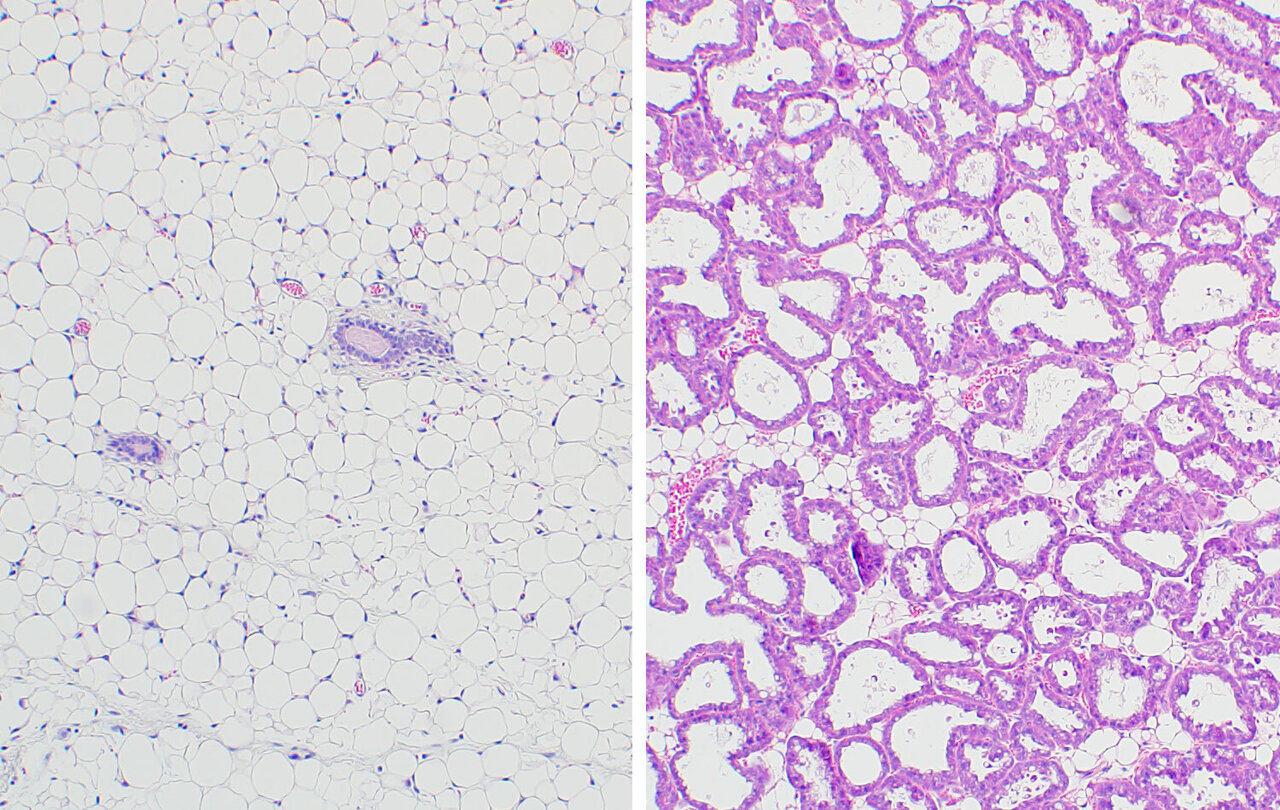
The researchers studied mouse mammary gland tissues at various stages of pregnancy and lactation. They found that three types of T cells—CD4+, CD8αα+, and CD8αβ+—increased in number during lactation. These T cells are part of a special class called intraepithelial lymphocytes, which are typically found in mucosal tissues like the intestines or lungs.
These T cells were observed lining the mammary epithelium in a manner similar to how they line other mucosal tissues. Moreover, they exhibited surface protein fingerprints typical of gut-resident cells, indicating that they had migrated from the gut to the mammary glands.
Further analysis of human breast tissue and milk samples confirmed similar trends in humans. The findings suggest that the mammary glands undergo a transition from non-mucosal to mucosal tissue in preparation for lactation, where they become exposed to external microbes.
Impact of Microbes on T Cell Production
To determine whether these T cells are influenced by microbes in the same way as those in the gut, the researchers compared mice living in normal and germ-free environments. They found that all three T cell subtypes were more abundant in mice exposed to microbes. This indicates that maternal microbes play a role in regulating T cell production during lactation, which could affect the strength of the mammary gland’s immune barrier.
Overall, the study reveals that T cell production increases with the help of microbes, T cells move from the gut to the mammary glands, and the mammary glands transform into mucosal tissues.
Looking Ahead: The Future of Gut-Breast Immune Research
The researchers believe that hormones may play a key role in these changes, with the overall goal being to protect the mother from external threats and infections. However, the exact mechanisms by which these changes influence lactogenesis, milk quality, and maternal and infant health are still unknown.
“There’s so much more research to be done in this area—we’re just getting started,” says Abigail Jaquish, a graduate student researcher in Ramanan’s lab. “If we're seeing a connection between the gut and the mammary gland, what other interactions might be happening in the body? And what else could be impacting the milk that we're passing on to our offspring?”
Understanding the changes in maternal immune cells during pregnancy and lactation could have long-term effects on future generations, as immune and microbiome transfers occur repeatedly. These insights may also lead to new treatments for mothers who cannot breastfeed, such as therapies that support natural milk production or advanced formulas that provide similar immune benefits.
As the connection between the gut and mammary gland becomes clearer, scientists may one day recommend diets that promote mammary and maternal health, as well as optimize milk quality. This research opens the door to a deeper understanding of how the body functions during critical developmental periods and how we can support health across generations.

Post a Comment for "How Does the Immune System Adapt for Breastfeeding?"
Post a Comment