How Do Exhaust Brakes Function on a Diesel Engine?
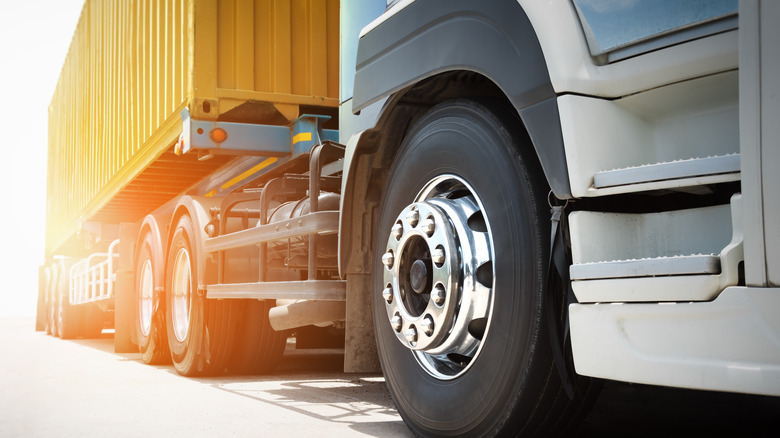
Understanding the Role of Exhaust Brakes in Diesel Vehicles
Driving a heavy diesel truck down a mountain pass can be an intense experience. With 20,000 pounds of weight to manage, it's crucial to find a way to slow down safely without overworking the regular brakes. That’s where the exhaust brake comes into play. Often overlooked, this component is a vital tool for diesel drivers, especially when navigating steep descents.
An exhaust brake functions by trapping exhaust gases, creating back pressure that forces the engine to work against itself. This resistance helps decelerate the vehicle, reducing the strain on the standard braking system. The result is a more controlled and safer descent, turning the engine into an effective form of braking. During operation, the back pressure generated by an exhaust brake can reach up to 60 PSI, providing significant negative torque that supports the service brakes during long downhill stretches.
Unlike compression brakes, which are known for their loud, disruptive noise, exhaust brakes offer a quieter alternative. This makes them particularly appealing for commercial trucks and RVs where noise reduction is important. They provide the necessary stopping power without the ear-splitting sound associated with Jake brakes, making them a preferred choice for many drivers.
How Exhaust Brakes Work on Diesel Engines
Diesel engines operate differently from gasoline engines, which is why exhaust brakes are especially beneficial for diesels. Gasoline engines naturally create vacuum in the intake manifold when the driver lifts off the accelerator, resulting in some level of engine braking. Diesels, however, don’t have a throttle plate to control airflow, so they continue to draw in air even when the pedal is released. This means there’s less built-in engine braking, which can be problematic when descending steep grades.
Exhaust brakes address this issue by artificially creating resistance in the exhaust system. By choking the flow of exhaust gases, they generate the necessary back pressure to slow the vehicle down. Since diesel engines are designed to handle high internal pressures due to their compression ratios, they can withstand this added stress without any issues. This leads to smoother and more predictable deceleration, especially when carrying heavy loads.
Modern diesel setups often include electronic modulation of back pressure, allowing for seamless braking across different RPM ranges. This technology enhances the performance of exhaust brakes, making them even more effective for drivers who frequently encounter elevation changes.
Advantages and Considerations of Exhaust Brakes
While exhaust brakes offer numerous benefits, they may not be necessary for every diesel vehicle. If you primarily drive on flat highways or in urban areas with moderate loads, your standard brakes might be sufficient. However, for those who regularly tow heavy trailers through mountainous regions or operate large commercial rigs, an exhaust brake can be a game-changer.
The advantages go beyond safety. Using an exhaust brake reduces the workload on the regular brakes, leading to less wear and tear on components like brake pads and rotors. This translates to lower maintenance costs and fewer instances of downtime, which is critical for commercial drivers. Additionally, exhaust brake installation is typically straightforward, as it integrates with the existing exhaust system without requiring complex modifications.
Some newer vehicles even incorporate exhaust braking into the transmission or cruise control systems. These advanced features allow drivers to set a desired speed, with the vehicle automatically managing deceleration through a combination of gear shifts and exhaust pressure. This hands-free approach offers a smooth and controlled driving experience, eliminating the need for constant pedal adjustments.
Final Thoughts
Exhaust brakes are an essential feature for diesel vehicles that frequently encounter challenging terrain. Their ability to provide reliable, quiet, and efficient braking makes them a valuable addition for both commercial and personal use. Whether you're navigating mountain passes or hauling heavy cargo, understanding how to use an exhaust brake can significantly enhance your driving experience and improve the longevity of your vehicle's braking system.

Post a Comment for "How Do Exhaust Brakes Function on a Diesel Engine?"
Post a Comment