How Did a Shooter With Mental Health History Get a Concealed Carry Permit in NYC?
Background of the Shooter
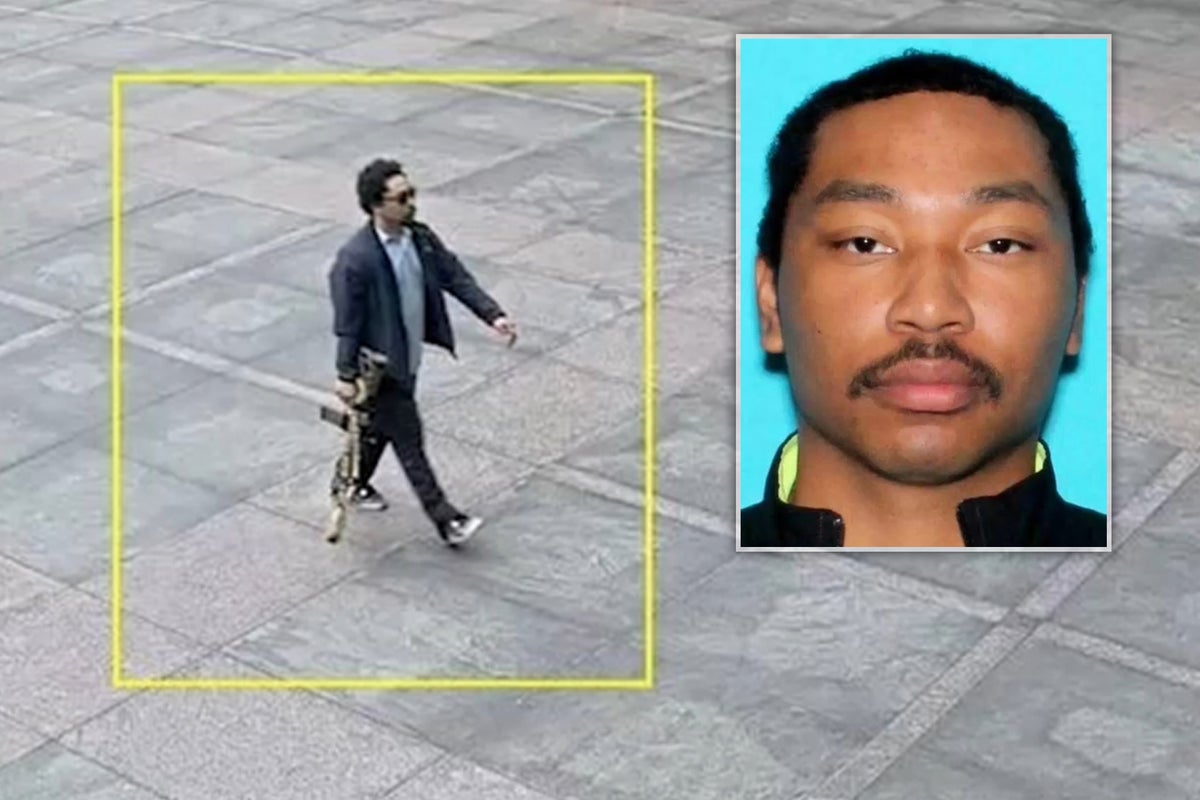
A tragic incident unfolded in New York City when a gunman, identified as Shane Tamura, killed four individuals before taking his own life. At the time of the shooting, Tamura had a documented mental health history and was in possession of an active, concealed carry permit for firearms. The attack occurred at 345 Park Avenue, a building that houses several prominent organizations, including the NFL and Blackstone.
Tamura, a former high school football player, targeted the location with a clear intent, according to reports. He used an assault rifle to open fire in the lobby, resulting in the deaths of a security guard, an off-duty NYPD officer, and two female corporate executives. The motive behind the attack is still under investigation, but Tamura's suicide note suggests a deep-seated grievance with the NFL, which he claimed caused his mental health issues through chronic traumatic encephalopathy (CTE).
Mental Health History and Legal Permits
Tamura's mental health history includes two "Mental Health Crisis" holds in Nevada in 2022 and 2024. These holds involve detaining individuals for up to 72 hours if they are deemed a danger to themselves or others. However, it remains unclear how long he was held during these instances. Additionally, Tamura had a prior arrest for trespassing, although the case was not prosecuted.
In Las Vegas, Tamura obtained a concealed carry permit in 2022. A photo of the permit, which expires in 2027, was obtained by The New York Post. The process for obtaining a concealed carry permit in Nevada requires applicants to be at least 21 years old, provide fingerprints, have a valid state ID, and complete a firearm training course. An FBI background check is also part of the application process.
Individuals who are declared mentally incompetent or admitted to a mental health facility within five years are disqualified from holding a concealed carry permit. Other disqualifiers include being a fugitive, having prior felony convictions, a restraining order, or being on parole.
The Attack and Aftermath
Tamura drove his black BMW cross-country to Manhattan late Monday afternoon and parked the car in plain view. He then entered 345 Park Avenue with the assault-style rifle just before 6:30 p.m. and opened fire. The victims included NYPD officer Didarul Islam, security guard Aland Etienne, Blackstone executive Wesley LePatner, and Rudin Associate Julia Hyman. The NFL reported that one of its employees was seriously injured.
Authorities found Tamura’s car equipped with a rifle case containing rounds, ammunition magazines, and a loaded rifle. Inside the vehicle, they also discovered two cell phones, the antidepressant Zoloft, and cannabis. In the suicide note found with his body, Tamura reportedly requested that his brain be studied. The note referenced Terry Long, a former Pittsburgh Steelers lineman who died by suicide after drinking antifreeze in 2005, and claimed that football caused his CTE.
Ongoing Investigation and Public Safety
Police confirmed that Tamura acted alone and that there is no longer a threat to the public. The shooting remains under investigation, with authorities working to understand the motives behind the attack. The incident has raised questions about the intersection of mental health, gun laws, and the potential impact of sports-related injuries on individuals' lives.
The tragedy highlights the importance of addressing mental health issues and ensuring that individuals with a history of such issues are not able to access firearms without proper scrutiny. It also underscores the need for continued efforts to improve gun safety laws and support for those affected by mental health challenges.

Post a Comment for "How Did a Shooter With Mental Health History Get a Concealed Carry Permit in NYC?"
Post a Comment