How Crocs Took Over China
The Rise of Crocs in China: A Lesson for Global Brands
For many years, Crocs struggled to find its footing in the Chinese market. The brand's initial offerings, such as loafers, did not resonate with local consumers, and its celebrity endorsements were often from reality show contestants or mid-tier actresses. However, over the past decade, Crocs has transformed itself into a cultural phenomenon in China, redefining its approach to marketing and product design to better align with the preferences of Chinese consumers.
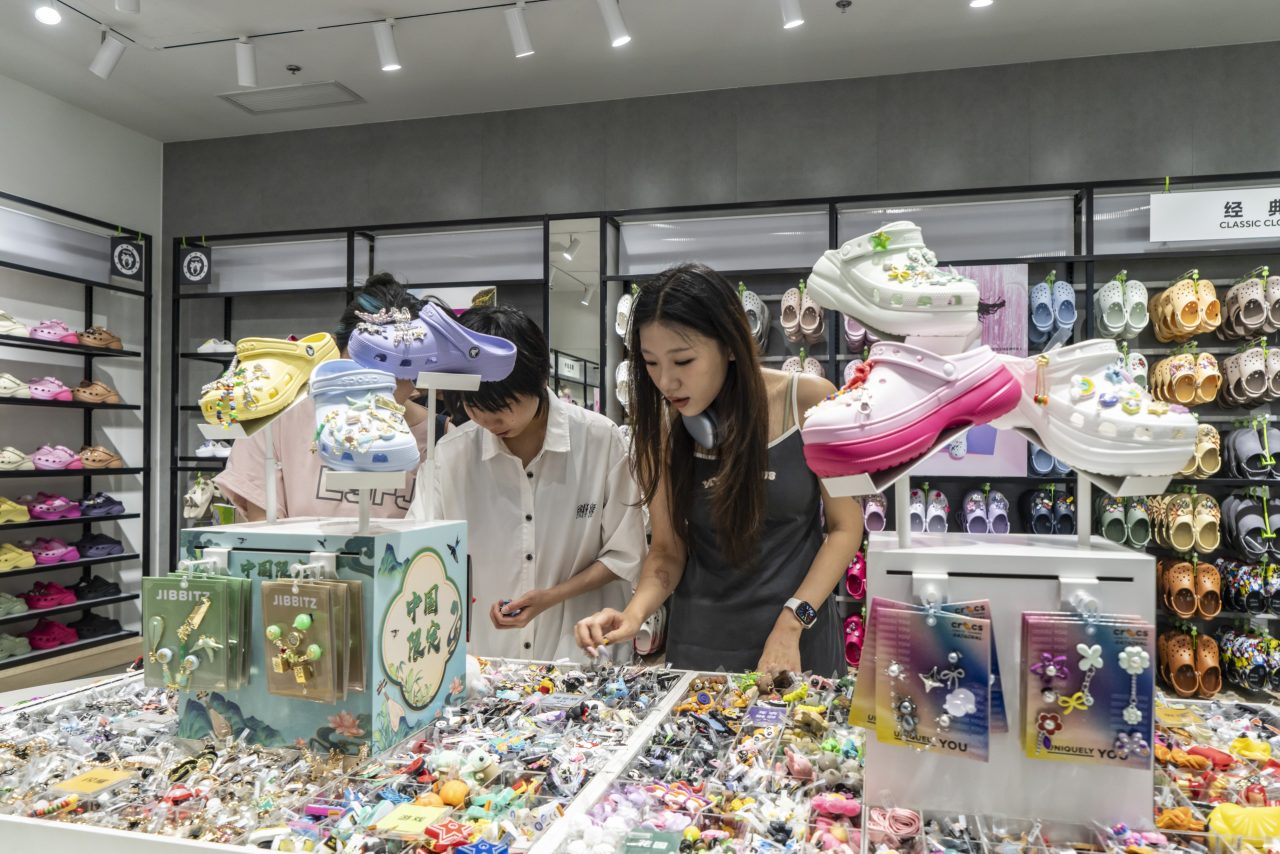
Today, it's common to see young women in Shanghai subway cars wearing platform clogs adorned with colorful Jibbitz charms. These fans have created a strong online presence, using the hashtag “dongmen,” which translates to "Crocs fan." This trend has been so successful that Crocs now highlights the number of mentions on its earnings calls, which currently exceed hundreds of millions.
China has become the second-largest market for Crocs, surpassing even North America in terms of growth. In the most recent quarter, while revenue in North America fell by 6.4%, China saw a more than 30% increase. This success is especially notable given the challenges faced by other Western brands like Nike and Starbucks, which have struggled against local competitors offering lower prices.
Retail experts believe that Crocs' success in China offers valuable lessons for other global brands. One key takeaway is the importance of understanding and catering to the unique preferences of the Chinese consumer. For example, many Chinese women prefer platform clogs, which they view as a stylish and comfortable alternative to heels.
Strategic Marketing and Cultural Adaptation
Crocs has taken a localized approach to its marketing campaigns. For instance, an ad featuring pop star Tan Jianci in pink platform Crocs riding a pink whale through the sky was created in Shanghai, not Colorado. The company also recruits top names in Chinese pop culture as brand ambassadors, ensuring that its messaging resonates with local audiences.
The brand has also adapted its slogans to better connect with Chinese consumers. Its global slogan, “Come as you are,” was changed to the Chinese version, “Born to Be Free,” which appeals to many young Chinese who seek a more relaxed and less competitive lifestyle.
In addition to these efforts, Crocs has taken creative risks by collaborating with Chinese designers. One notable example is Feng Cheng Wang, who released a knee-length biker-style Crocs boot that some fashion websites described as “straight from the future.” Another example is the KFC collaboration, where Crocs featured chicken-shaped Jibbitz charms that smell like fried chicken.
Building a Strong Brand Presence
One of the reasons Crocs has succeeded in China is its ability to create a strong brand presence through strategic marketing and partnerships. The company reinvests much of the profit it earns from its shoes into marketing efforts, ensuring that it stays relevant and visible in a competitive market.
Anne Mehlman, Crocs’s brand president, recalls her first visit to Shanghai in 2020, when she hardly saw any Crocs on the street. By 2023, however, she noticed a significant change, with fashionable individuals seen wearing Crocs alongside other luxury items.
Andrew Rees, Crocs’s CEO, explains that the company segments its buyers into two categories: “feel-goods,” such as suburban moms looking for durable and affordable shoes, and “explorers,” young urban women with bold fashion tastes. While the U.S. market is dominated by feel-goods, China and other Asian countries have a stronger presence of explorers.
Embracing Personalization and Social Media
Crocs has also embraced personalization, allowing customers to add their own Jibbitz charms to their shoes. This has led to a surge in user-generated content, with influencers and ordinary people sharing photos of their customized Crocs on platforms like RedNote. The hashtag “dongmen” has become a popular way for fans to express their love for the brand.
Mia Wong, a Shanghai tech worker, shared how her perception of Crocs changed over time. Initially finding them unattractive, she eventually ordered four pairs after seeing someone else wear them. This shift in perception highlights the power of social media and word-of-mouth marketing in driving brand awareness.
Collaborations and Future Growth
Crocs continues to expand its reach through collaborations with popular Chinese brands. One such partnership is with PopMart, the maker of the viral Crybaby dolls. Together, they have created Crybaby-themed Jibbitz that can be attached to Crocs, further enhancing the brand's appeal.
Despite the challenges posed by China's slowing economy, Crocs sees opportunities for continued growth. Andrew Rees believes that in a difficult economic environment, the brand's fun factor is a key differentiator that sets it apart from competitors.
As Crocs continues to adapt and innovate, it serves as a model for other global brands looking to succeed in the Chinese market. By focusing on local preferences, leveraging social media, and embracing creativity, Crocs has not only survived but thrived in one of the world's most competitive markets.

Post a Comment for "How Crocs Took Over China"
Post a Comment