How Craigslist Sparked America's Political Divide
The Unseen Consequences of Craigslist on Political Reporting
The rise of online classifieds, particularly through platforms like Craigslist, has had a profound impact on the media landscape in the United States. A recent study by researchers at Stanford University and other institutions reveals how this shift not only transformed the way people advertise but also altered the course of political coverage and voter behavior.
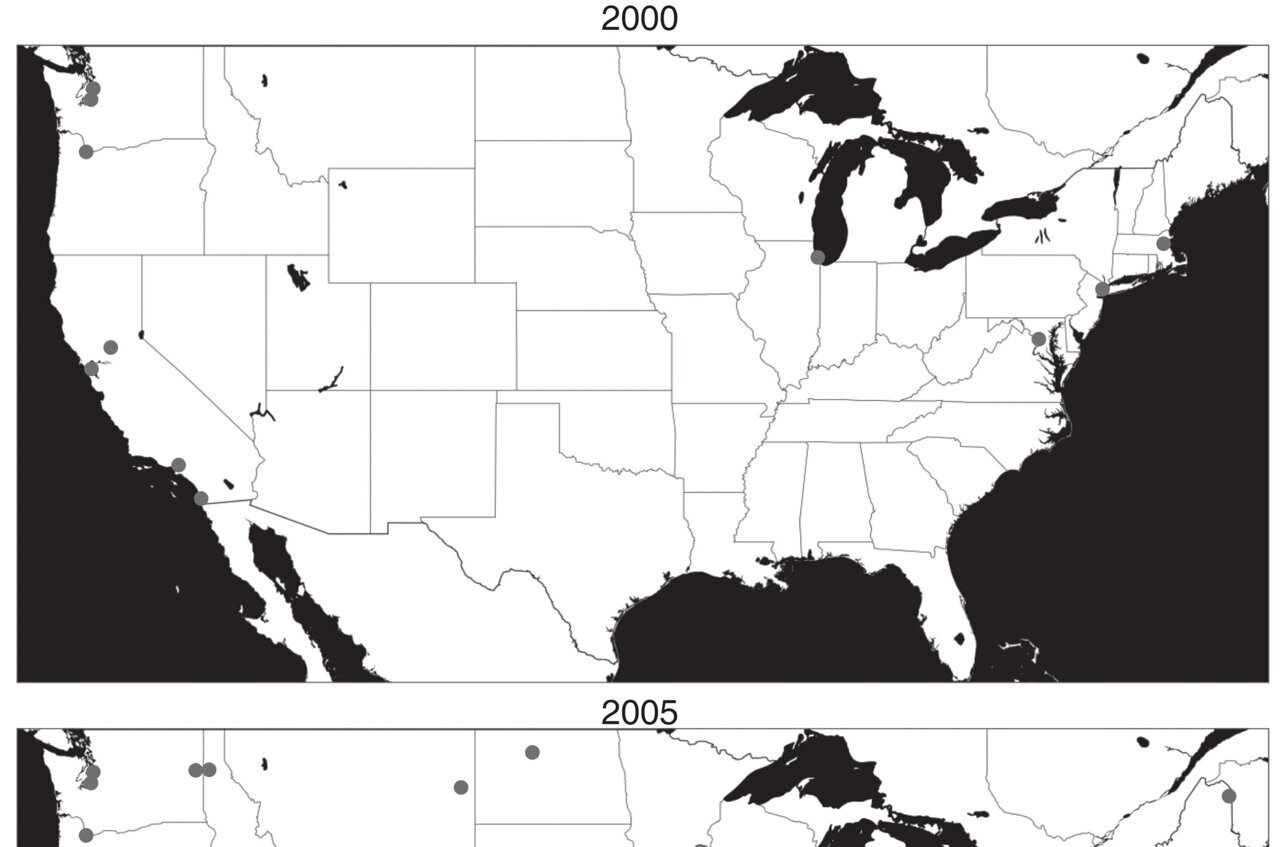
Before the mid-1990s, newspapers were the primary source for classified advertisements. People looking to sell a car, rent an apartment, or find a job would place small ads that reached a broad audience. This system was lucrative for newspapers, with classifieds making up a significant portion of their revenue. However, the emergence of Craigslist in 1995 marked a turning point. By offering a free, user-friendly platform for classifieds, Craigslist quickly spread across the country, leading to the decline of traditional newspaper classified sections.
This disruption had far-reaching consequences. While many were aware that Craigslist affected print journalism, a new analysis by Gregory Martin, Milena Djourelova, and Ruben Durante sheds light on how it specifically impacted political coverage. Their research, published in the Review of Economic Studies, explores the ripple effects of this change on American politics.
The Shift in Newspaper Priorities
At the turn of the millennium, classifieds accounted for about 30% of newspaper revenues. As this income dwindled, newspaper executives faced tough decisions. They began cutting costs, often targeting local political news coverage first. Sports and entertainment writers remained largely unaffected, but the local politics desk saw significant reductions. This shift in focus led to a decrease in the quality and quantity of political reporting.
Martin notes that the real impact came not from the loss of classifieds themselves, but from the changes in editorial priorities. In-depth political coverage, which was costly to produce, became less of a priority. Instead, newspapers focused on more popular content such as sports and entertainment.
The Effects on Readership and Voter Behavior
The reduction in political coverage had a direct effect on readership. Circulation declined, especially among more educated, wealthier, and politically engaged readers. These individuals were more likely to vote and relied on newspapers for information about candidates and issues. With less coverage, they became less informed, leading some to turn to extreme candidates who promised radical solutions.
Martin explains that when voters lack information, they are more susceptible to the messages of extreme candidates. "Because they don't have the information that the extreme candidates are extreme," he says. This dynamic contributed to increased polarization in U.S. politics.
The Impact on Primary Elections
The study found that the reduction in political coverage was most pronounced before primary elections. Local newspapers reduced mentions of politicians running in congressional races by an average of 12%, along with similar declines in coverage of state and national politicians. This lack of information made it harder for voters to differentiate between moderate and extreme candidates, allowing extremists to gain traction in partisan primaries.
As a result, there was a noticeable decrease in bipartisan voting and an increase in the number of extreme candidates winning elections. This trend further deepened political divisions across the country.
The Broader Implications
While Craigslist alone did not cause the decline of many print newspapers, it played a key role in a broader trend of shrinking revenue and resources. The combination of online advertising on platforms like Google and Facebook exacerbated the problem, creating a cycle of declining circulation, fewer journalists, and lower-quality content.
Martin emphasizes that it took time for readers to notice the changes. "Getting rid of this huge source of revenue that was subsidizing all of the investments in reporting made the product worse," he says. The loss of in-depth political coverage not only affected the quality of journalism but also had long-term implications for democracy.
In conclusion, the impact of Craigslist on political coverage highlights the complex relationship between media, information, and political engagement. As the media landscape continues to evolve, understanding these dynamics is crucial for maintaining a well-informed electorate and a healthy democratic process.

Post a Comment for "How Craigslist Sparked America's Political Divide"
Post a Comment