How Chia Seeds Affect Your Blood Pressure Over Time
The Potential Heart Health Benefits of Chia Seeds
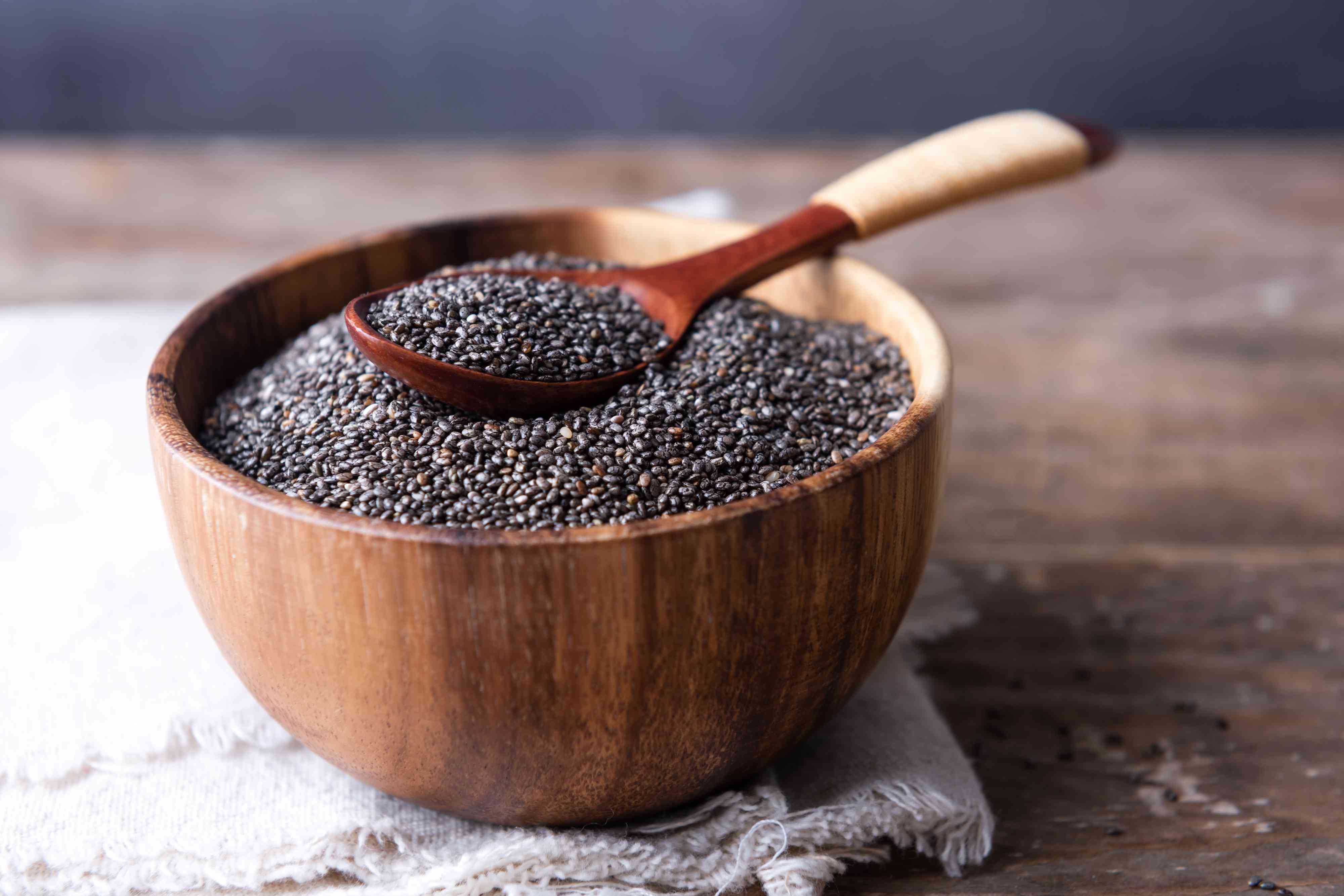
Chia seeds might not be the first food that comes to mind when thinking about heart health, but recent research suggests they could play a role in supporting cardiovascular well-being. Studies indicate that chia seeds may help lower blood pressure, cholesterol, and triglyceride levels, making them an interesting addition to a heart-healthy diet.
What the Research Says
A study published by Elsevier in the journal Prostaglandins & Other Lipid Mediators adds to the growing body of evidence surrounding the potential health benefits of chia seeds. These tiny seeds are considered nutrient-dense powerhouses, containing protein, fiber, antioxidants, and phenolic compounds. According to Stephani Johnson, DCN RD, an adjunct professor of clinical and preventive nutrition sciences at Rutgers University School of Health Professions, these components contribute to their overall health profile.
However, it's important to note that systematic reviews and meta-analyses typically show patterns rather than definitive cause-and-effect relationships. The results of studies on chia seeds have been mixed, with variations in participant groups, dosage, and duration of use. As a result, current research does not conclusively prove that chia seeds have a significant impact on heart health. Nonetheless, there are several theories about how they might support cardiovascular function.
How Chia Seeds May Support Heart Health
-
They're High in Fiber
Chia seeds are rich in fiber, which can help lower cholesterol levels. When mixed with water, chia seeds form a gel-like substance called mucilage, which may aid in the elimination of cholesterol through the digestive tract. This process could potentially reduce the amount of cholesterol absorbed into the bloodstream. -
They're Rich in Omega-3s and Antioxidants
Chia seeds are a source of omega-3 fatty acids, which have been linked to increased levels of high-density lipoprotein (HDL) cholesterol—often referred to as "good" cholesterol because it helps protect against heart disease. Additionally, the antioxidants found in chia seeds may prevent low-density lipoprotein (LDL) cholesterol from oxidizing. Oxidized LDL is a major contributor to plaque buildup in the arteries, increasing the risk of coronary heart disease. -
They May Help Lower Inflammation
Chia seeds contain alpha-linolenic acid (ALA), a plant-based source of omega-3 fatty acids. ALA has been shown to reduce inflammation in the blood vessels and throughout the body, which can have a positive effect on heart health. Julia Zumpano, RD, a dietitian at Cleveland Clinic, highlights this benefit as an important factor in maintaining cardiovascular wellness.
How to Add Chia Seeds to Your Diet
While chia seeds alone won't protect your heart, they can be a valuable part of a healthy lifestyle. Johnson emphasizes that their benefits are best realized when incorporated into a broader approach that includes balanced eating, regular physical activity, and adequate sleep.
To experience the known health benefits of chia seeds, experts recommend consuming two to three tablespoons per day. They can be soaked or blended for easier digestion. Due to their mild taste, chia seeds are easy to incorporate into everyday meals, such as:
- Chia seed pudding
- Salad dressings or sauces
- Smoothies
- Energy balls and bars
What This Means For You
Although there isn’t enough conclusive evidence to state that adding chia seeds to your diet will definitely improve your cardiovascular system, they offer a range of proven health benefits. Their ability to provide extra fiber, protein, and antioxidants makes them a convenient and versatile addition to many recipes. Whether you're looking to boost your daily nutrient intake or simply try something new, chia seeds can be a nutritious and tasty choice.

Post a Comment for "How Chia Seeds Affect Your Blood Pressure Over Time"
Post a Comment