How California Lost Its Chance to Save Solar Funding Under Trump
The Struggle for Community Solar in California
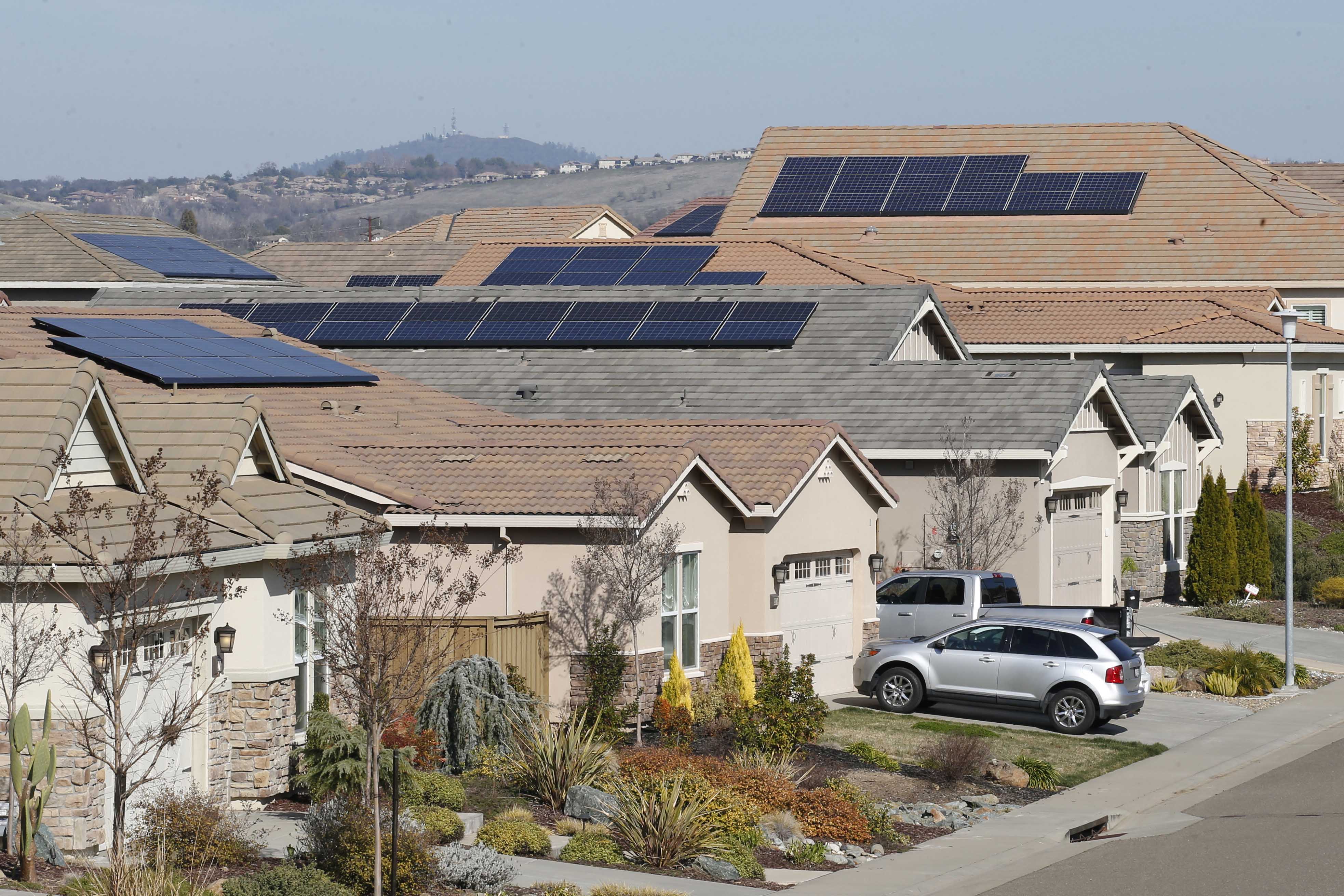
The Trump administration is considering the termination of the Solar for All program, a federal initiative aimed at expanding access to solar energy for individuals who cannot install panels on their own homes. This move has raised concerns among solar developers and advocates in California, where the program has yet to gain significant traction.
Despite receiving $250 million from the Inflation Reduction Act, very little of this funding has been distributed. The California Public Utilities Commission (CPUC), which is responsible for managing the grant, has faced criticism for its slow progress. Advocates argue that the lack of action is jeopardizing the potential for a robust community solar program in the state.
Community solar initiatives are designed to allow renters and low-income households to benefit from nearby solar installations. However, in California, these efforts have not progressed as expected. Joe Henri, senior vice president of policy at Dimension Energy, described the situation as "tragic," highlighting the risks posed by the slow implementation.
The CPUC set up a tariff structure for community solar in May 2024, but the proposed payments were seen as insufficient to incentivize development. Additionally, the agency required utilities and community choice aggregators to submit extensive advisory paperwork, further delaying the process.
Administrative Law Judge Valerie Kao recently sought additional feedback from interest groups on how to effectively use the Solar for All funds before the deadline of April 2029. Despite these efforts, the state remains in an "administrative and planning phase," according to the CPUC website.
Matthew Freedman, a staff attorney with The Utility Reform Network, expressed concern that the slow pace of implementation may result in the loss of $250 million in federal support. He emphasized the urgency of the situation, noting that federal tax credits are about to expire and that the Trump administration's potential termination of the program adds to the challenges.
The CPUC has taken a diplomatic approach, stating that it is actively implementing the Solar for All program under a stakeholder-driven, EPA-approved workplan. However, the lack of progress has led to frustration among advocates.
California currently has about 217 megawatts of community solar capacity installed or in the pipeline, significantly less than leading states like Florida and New York. While other states have also not fully utilized their Solar for All awards, some are far ahead of California in terms of development. For example, Illinois has spent $11 million of its $156 million award, whereas California has only spent $100,641.
Derek Chernow, western regional director of the Coalition for Community Solar Access, noted that California has been a laggard in the clean energy sector. The state has defended itself against other federal actions on renewable energy, including lawsuits over lost EV charging funding and proposals to replace lost EV tax credits with state dollars.
It remains unclear whether California will take legal action if the Trump administration terminates the grants. A spokesperson for Attorney General Rob Bonta declined to comment on legal strategy.
The situation highlights the narrowing window of opportunity for California to develop renewable energy projects reliant on federal funding before potential disruptions occur. A bill sponsored by the community solar industry, which aimed to expedite the program, failed in the Assembly Appropriations Committee in May. Assemblymember Chris Ward, the author of AB 1260, hopes to reintroduce the bill next year.
Ward emphasized the need for a sustainable program that does not rely solely on one-time federal funding. His statement reflects the broader concern among advocates about the long-term viability of community solar initiatives in California.

Post a Comment for "How California Lost Its Chance to Save Solar Funding Under Trump"
Post a Comment