How Alzheimer's Protein Helps Bacteria Survive Threats
Understanding Amyloids: From Disease to Defense
Amyloids are often associated with neurodegenerative diseases like Alzheimer’s, where they accumulate in the brain and disrupt normal function. However, recent research has uncovered a surprising and beneficial role for these proteins—particularly in the microbial world.
A study conducted by researchers at the University of Colorado Boulder, published in the journal Nature, reveals that amyloids play a crucial role in protecting bacteria from predatory threats. This discovery could lead to new strategies for combating harmful microbes in environments such as hospitals and food processing facilities.
The Battle Between Microbes
In recent years, scientists have focused on how bacteria defend themselves against viruses, leading to breakthroughs like CRISPR technology. However, less attention has been given to how bacteria protect themselves from other predatory bacteria.
One such predator is Bdellovibrio bacteriovorus, commonly known as "Bdello." These microscopic organisms invade other bacteria, consuming their nutrients until the host dies. While harmless to humans, Bdello can be deadly to pathogenic bacteria like E. coli.
For decades, it was believed that Bdello were nearly invincible, making them a potential tool for controlling harmful bacterial populations. But a team led by Aaron Whiteley, an assistant professor in the Department of Biochemistry, questioned whether some bacteria could resist these predators.
The Role of Amyloid Proteins
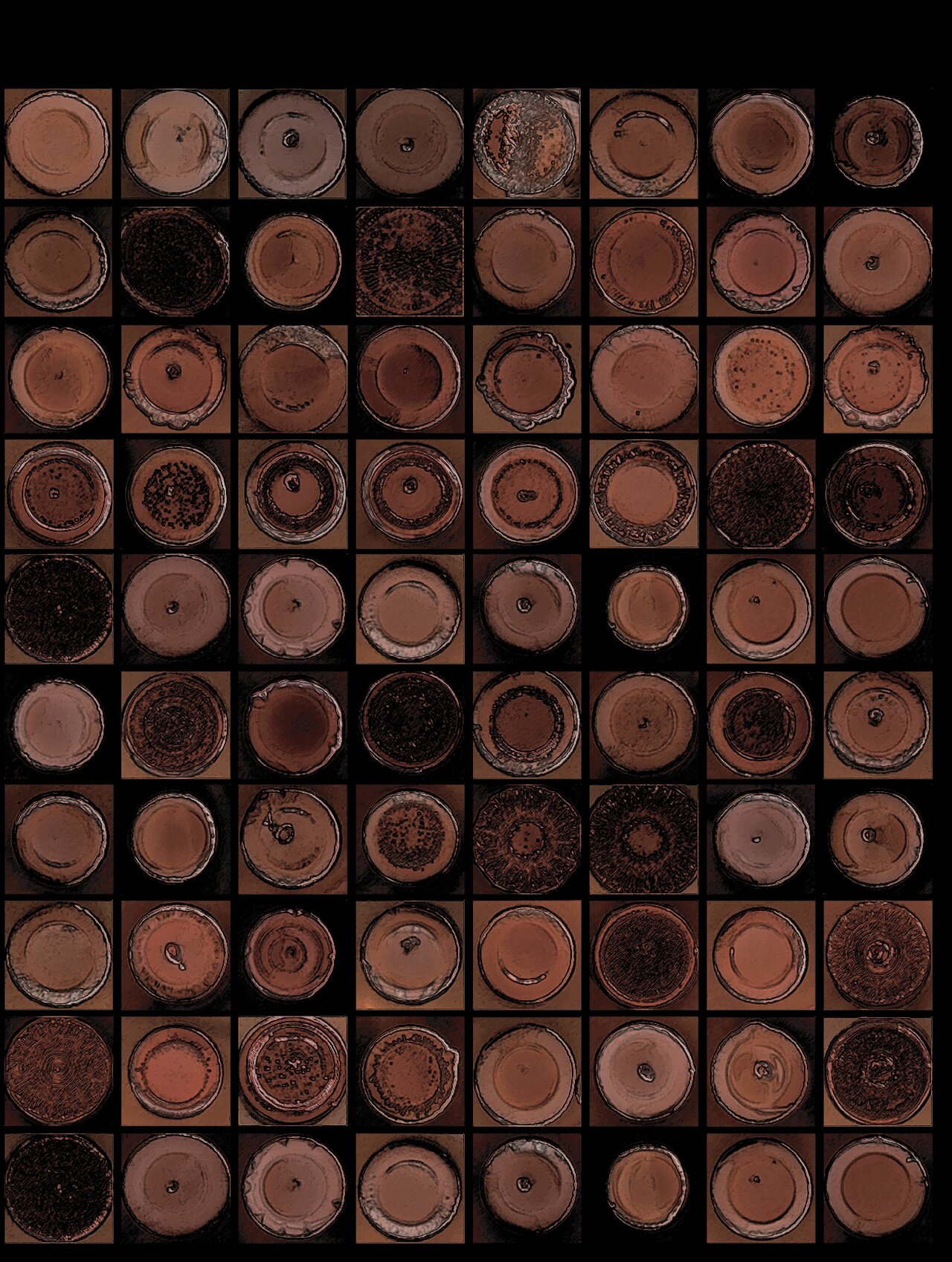
To explore this, the researchers collected a wide range of E. coli strains from various sources, including the gut of a lizard, a patient’s urinary tract, and animal scat. They then exposed these strains to Bdello and observed the results.
Surprisingly, about one-third of the E. coli strains were resistant to Bdello. Further analysis using advanced microscopy revealed that these resistant strains coated themselves in a type of amyloid protein called curli. Curli is structurally similar to the amyloids linked to Alzheimer’s disease but serves a different purpose in bacteria.
Whiteley explained that the same properties that make amyloids problematic for humans—durability and resistance to breakdown—make them effective for bacterial defense. This discovery highlights the dual nature of amyloids, which can be both harmful and protective depending on the context.
Implications for Human Health
The study also suggests that amyloids may play a role in the formation of biofilms—thin layers of bacteria that adhere to surfaces and are difficult to remove. These biofilms are a common source of infections in hospitals and industrial settings.
Current methods for removing biofilms often involve physical scraping, which can be inefficient and damaging. However, Whiteley believes that predatory bacteria like Bdello may have developed tools or enzymes capable of breaking down these biofilms. Understanding these mechanisms could lead to new approaches for fighting antibiotic-resistant bacteria and amyloid-related diseases.
Future Research Directions
Whiteley and his team are now investigating the specific tools that predatory bacteria use to dismantle biofilms. Their goal is to identify these mechanisms and potentially adapt them for medical or industrial applications.
“This research could have significant implications for human health,” said Whiteley. “By understanding how bacteria defend themselves and how others attack them, we can develop more effective strategies for combating disease.”
As microbial battles continue in the environment, scientists remain vigilant in uncovering the biochemical innovations that drive these interactions. With each discovery, the potential for new treatments and technologies grows, offering hope for addressing some of the most pressing challenges in medicine and public health.

Post a Comment for "How Alzheimer's Protein Helps Bacteria Survive Threats"
Post a Comment