How AI Powering Up Big Bills in NY and NJ — and Who’s Paying the Price
The Rising Cost of Electricity: A New Challenge for Households
As summer approaches, many households brace for higher electricity bills due to increased use of air conditioning. However, this year, a new and unexpected challenge is emerging—artificial intelligence (AI). While the demand for cooling has always been a concern, it's now being overshadowed by the growing energy needs of AI-powered data centers.
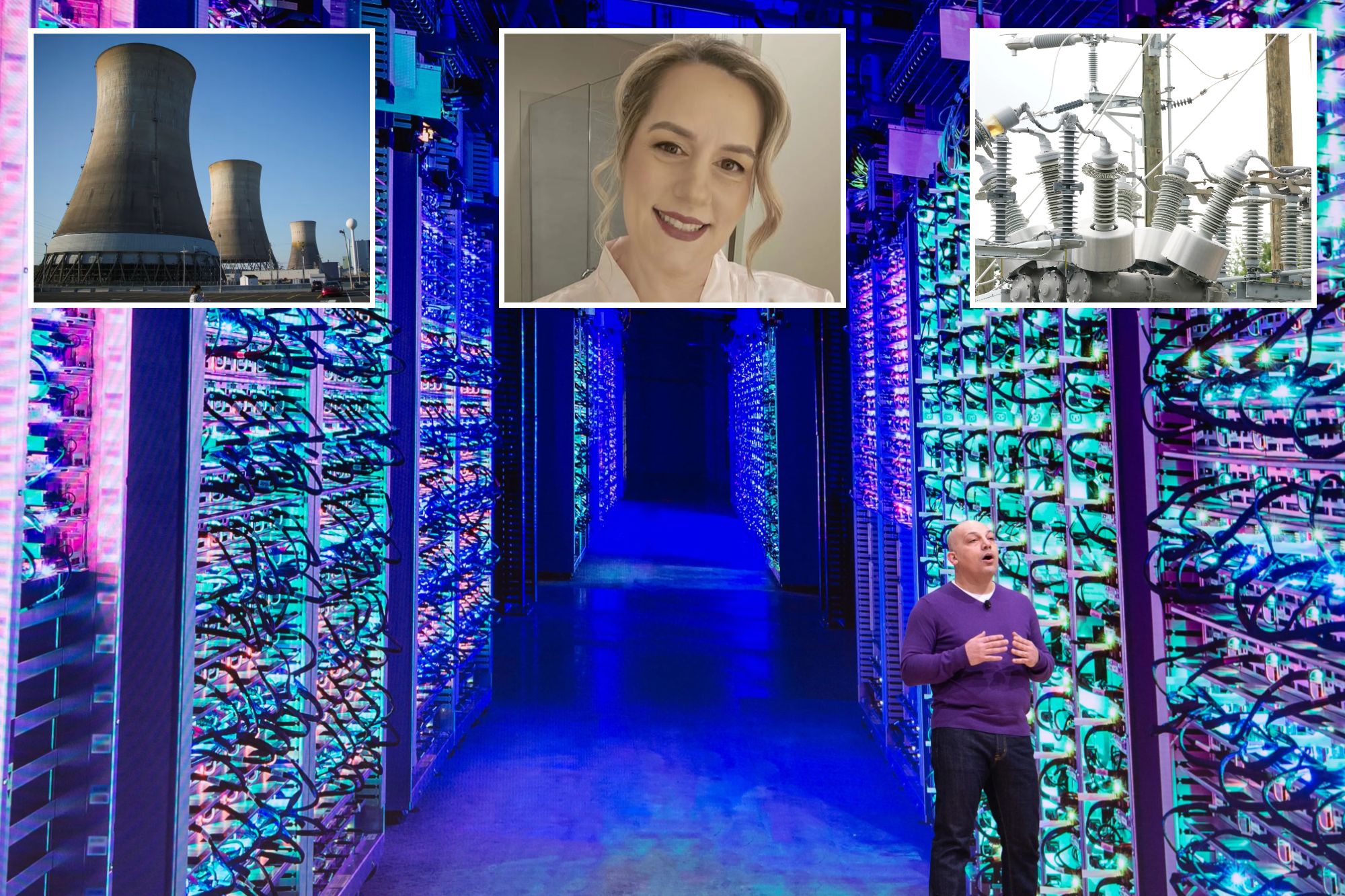
Data centers, which are massive facilities housing thousands of servers, have become significant consumers of electricity. Companies like Amazon, Google, Meta, and Microsoft are investing heavily in AI projects, leading to a surge in power consumption. This shift is putting additional strain on the electrical grid, especially in regions that are already facing energy shortages.
In New York and New Jersey, the situation is compounded by the shutdown of nuclear power plants and the implementation of costly green mandates. These factors have contributed to a significant increase in electricity costs for consumers. For example, Lisa Marinez, a mother of two from New Jersey, experienced a dramatic rise in her utility bill. Her June bill was $174, but it jumped to over $300 in July. She was surprised because she had expected only a 17% increase from her provider, Public Service Electric & Gas.
Marinez explained that her household hasn’t changed its energy usage patterns. “My house hasn’t changed square footage and we use the same amount of energy every year,” she said. This highlights the growing disparity between consumer expectations and the reality of rising electricity costs.
The cost of electricity is determined by supply and demand, just like any other commodity. According to Abe Silverman, an assistant research scholar at the Ralph O’Connor Sustaining Energy Institute at John Hopkins University, utility companies operate a sort of "stock market" for electricity. Prices fluctuate based on demand, and the influx of data centers into the market has created a new level of competition for available power.
Bloomberg reports that the rapid adoption of AI has made data centers the largest consumers of electricity, surpassing even electric vehicles in terms of growth in power demand. However, generating more electricity is not a quick or easy process. Building a new power plant can take anywhere from five to ten years and requires billions of dollars in investment.
In response to the increasing demand, some companies are taking steps to secure their own power sources. Amazon is investing over $500 million in nuclear power, while Google is purchasing power from a nuclear developer. Meanwhile, an energy company is working to revive the Three Mile Island facility on behalf of Microsoft. Despite these efforts, such measures do little to alleviate the immediate financial burden on households like Marinez’s.
“I work, my husband works, and we’re struggling,” Marinez said. “But God forbid I don’t pay. They will turn it off.” Many others in her community have shared similar concerns on social media platforms. One person wrote, “Didn’t get my bill yet, but I am afraid,” while another mentioned, “Our bill went up 20% over last year, using less.”
Public Service Electric & Gas (PSE&G) has acknowledged the challenges faced by customers. A representative stated, “We work hard to keep customer bills as low as possible while providing safe and reliable energy. We understand that any increase can be a challenge, and we are here to help.”
In New York, the Public Commission recently approved a rate increase for National Grid, which will lead to an average annual increase of $600 for households within three years. Similarly, New York State Electric and Gas Company plans to raise rates by 23.7%. These increases are causing significant financial stress for residents, particularly those on fixed incomes.
Karen Hoover, a resident of Broome County, expressed her concerns about the impact of these rate hikes. “People on fixed incomes can’t afford to pay anything but the electricity bill,” she said. “When it comes down to making a choice whether it’s food or electric, the electric gets paid . . . We can’t afford another rate hike. The bills are astronomical now.”
Silverman suggests two potential solutions to address the issue. One option is to impose tariffs on data centers to limit their impact on the grid. The second, more severe solution, involves removing data centers from the regional energy market and requiring them to procure their own power independently.
As the demand for electricity continues to grow, it is clear that the balance between technological advancement and affordability must be carefully managed to ensure that all consumers can access the energy they need without undue financial hardship.

Post a Comment for "How AI Powering Up Big Bills in NY and NJ — and Who’s Paying the Price"
Post a Comment