How an 11-Year-Old Boy on a Boat Sparked National Pride and Jealousy
The Rise of the World’s Coolest Kid
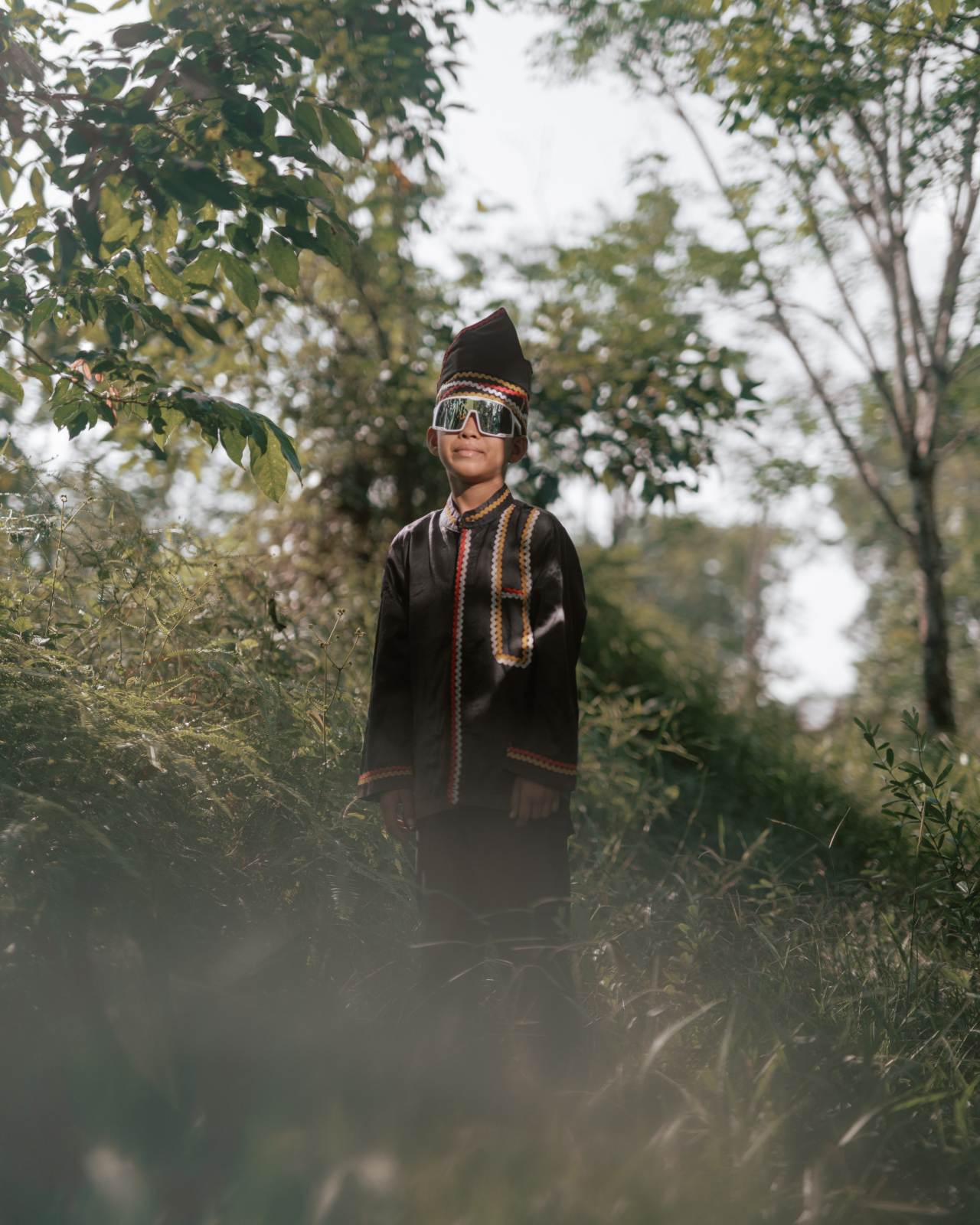
In the small village of Kuantan Singingi, Indonesia, an 11-year-old boy named Rayyan Arkan Dikha became an international sensation. His journey began when a video of him dancing on a narrow boat during a high-speed race went viral. The footage showed him in futuristic sunglasses, effortlessly balancing while cheering on his rowers. This moment of coolness caught the attention of celebrities like Travis Kelce and others around the world, who paid tribute to his unique style.
As the annual boat competition returns this week, the villagers are celebrating not only Dikha’s fame but also the financial benefits that came with it. However, there is a growing question among locals: Why him?
Dikha's team isn't even a title contender, and they didn’t win the race that made them famous. Many of the other 200 boys who dance on racing boats have more talent. Aprilastuti, a local mother, believes Dikha was just lucky. She points to Arkha, her 10-year-old son, who she considers a better dancer with more varied moves.
Arkha himself said, “I am better than Dikha.” This sentiment reflects the mixed feelings in the community about the sudden rise of one child over many others.
The region is trying to understand the randomness of internet fame. Government officials are promoting the area as a tourist destination, with Indonesia’s vice president attending this year’s races. Dikha is doing his part by repeating his 20-second dance for promotional videos, serving as the province’s new tourism ambassador.
At the heart of this moment is the Pacu Jalur competition, a unique event in Kuantan Singingi. This competition, dating back to the 17th century, was originally held in August to commemorate Queen Wilhelmina’s birthday during Dutch colonial rule. Now, it coincides with Indonesia’s Independence Day.
The two-minute race covers a kilometer, with each boat made from a single tree and typically 100 feet long. Teams range from 40 to 75 male rowers, each accompanied by an anak joki, or dancer. These dancers traditionally perform only when their team is ahead, signaling to spectators which team is leading. They are always boys because their lighter weight allows them to balance on the narrow bows of the boats.
Dikha’s original video, uploaded by a local, went largely unnoticed for months. Then, this summer, edited versions set to the American rap song “Young Black & Rich” gained traction. Dikha became an international sensation, with internet users dubbing his dancing “aura farming.”
Celebrities like Travis Kelce, Diego Luna, Bryson DeChambeau, Alex Albon, and Steve Aoki all imitated his style. Others spoofed it at the office, on their cars, and even inside Costco.
Locals don’t know who posted the viral videos, according to Dzikri Maulana Muhammad, a Pacu Jalur uniform designer. He also wonders why Dikha became famous. “There are many children better than Dikha,” he said.
Dikha himself acknowledges that there are better dancers. His mother, Rani Ridawati, attributes his stardom to “Allah’s gift.” She suggests that his moves resonated because they are smooth and easy to copy. He mimics fanning air, shooting guns, and flying—moves that are simple yet unique.
Fame brought Dikha his first plane trip to Jakarta to dance on national TV and a small fortune. For highlighting Pacu Jalur, government agencies gave him about $3,700—more than the combined annual income of his mother, a nonpermanent office worker, and his father, a construction worker. They are saving the money for his education.
On a recent morning in Pintu Gobang, a village of 1,500 people, Dikha woke up in the bed he shares with his two brothers. He rode with his dad on a moped to school, where classes were canceled. All 159 students were cleaning ahead of a visit by Indonesia’s tourism ministry, prompted by his video. Dikha grabbed a broom.
After school, Dikha returned home, sat on the living-room rug, and opened a package: sunglasses from a European company. He chatted with his family about filming a police promotional video the next day. His dream is to become a policeman.
Then came practice, but not with his team. A smaller village with inexperienced rowers asked Dikha’s squad for manpower and know-how. They wanted ringers.
After a half-hour trip, Dikha and dozens of teammates boarded a longboat in the brown Indragiri River, where rival teams were also practicing. As his teammates paddled, the boy broke into his trademark dance, prompting cheers from the roughly 100 villagers onshore.
One spectator was 12-year-old Muhammad Afif, who had been training to debut as the boat’s dancer in a race four days away. Now he was watching Dikha audition for his role.
“I want to be famous like Dikha,” he said. He might have to wait another year. The team chose Dikha.

Post a Comment for "How an 11-Year-Old Boy on a Boat Sparked National Pride and Jealousy"
Post a Comment