Houston Man Dies of Heart Attack After Losing $6,800 in Wells Fargo Scam — Family Warns Others
A Tragic Story of Scam and Loss
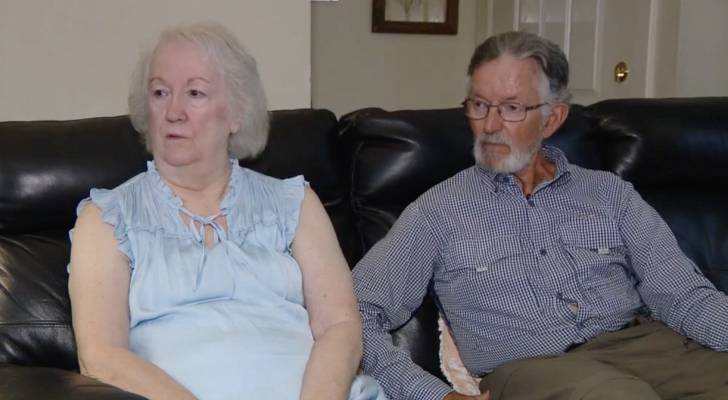
Paul Schendel, a 52-year-old father of three from Houston, passed away from a heart attack just one day after being told by Wells Fargo that he likely wouldn’t get back the $6,800 he lost in a scam. His sister, Karen Schendel, shared that Paul had been disabled due to a back injury and had long struggled with serious health issues, including complications from diabetes. She believes the sudden loss of his life savings and the resulting hopelessness played a significant role in his death.
Paul was among several recent victims of an increasingly sophisticated bank impersonation scam. His family hopes others will recognize the warning signs and avoid falling into similar traps.
How the Scam Unfolded
The scam began when Paul received a phone call from someone claiming to be with Wells Fargo. The caller knew personal information about his account and warned of fraudulent activity. Later, a woman arrived at his home. Paul handed over his card, watched her cut it up, and then took the pieces with her.
The next day, Paul went to a Wells Fargo branch to request a new card, only to learn that everything had been a scam. He was told that the bank does not call customers and that reimbursement was unlikely. His life savings were gone, and he suffered a heart attack the following day.
Paul’s case is part of at least three similar scams reported recently involving fraudsters impersonating Wells Fargo employees and visiting victims at their homes.
The Rise of Bank Impersonation Scams
Scams like the one Paul experienced are becoming more common across the United States. These schemes often feel extremely legitimate, making them particularly dangerous. According to the FDIC, bank impersonation scams increased twentyfold between 2019 and 2022. Scammers use tactics such as spoofing phone numbers, providing private account details, and even sending people in person to collect cards or payments.
Victims are not just losing money; they often experience feelings of shame, anxiety, and overwhelm. Financial stress has been linked to high blood pressure, anxiety, depression, and in extreme cases, cardiac events.
Coping After Losing Money to a Scam
Losing a large sum of money can be devastating, especially for those already dealing with chronic illness or limited resources. While nothing can undo a scam, there are steps to protect mental health afterward:
- Talk to someone you trust: Whether it’s a family member, therapist, or support group, don’t suffer in silence.
- Contact your bank and the FTC: Even if recovery seems unlikely, reporting the fraud may help others and initiate the claims process.
- Focus on small wins: Creating a plan, even something simple like updating passwords or setting up a new savings goal, can help restore a sense of control.
- Don’t blame yourself: Scams are designed to fool even the smartest people. This wasn’t your fault.
- Get smart: Learn the signs and common strategies fraudsters use so you don’t fall victim again.
According to the Federal Trade Commission (FTC), common signs of a financial scam include someone pretending to be from an institution you trust, such as your bank or the Social Security Administration, who:
- Insists there's a problem, such as a fraud alert or back taxes
- Pressures you to act quickly
- Tells you how to pay, often with unusual payment methods, like crypto or a gift card.
A Heartbreaking Story and a Call for Awareness
Paul Schendel’s story is heartbreaking and, sadly, not unique. As bank scams become more convincing, awareness may be the only real defense. If something feels off, it probably is. And if you’ve been scammed, know that help is available for your finances and your health.
Additional Resources and Tips
If you're looking to improve your financial situation, there are many opportunities available. For example, you can now become a landlord for as little as $100 without dealing with tenants or fixing freezers. Here’s how to get started.
If you’re concerned about retirement savings, there are ways to catch up quickly. At 49, it's not too late to build a secure future.
Robert Kiyosaki warns of a potential 'Greater Depression' and suggests focusing on specific assets that could bring great wealth. Understanding these strategies may help you prepare for the future.
For those interested in real estate, there are now opportunities to access a $1B private real estate fund with as little as $10. This opens the door to investment without the usual hassle.
If you're looking for alternative investments, many young Americans are moving away from the stock market and exploring other options. Learning about these alternatives could be beneficial.
Staying informed is key. Joining a community of readers and getting insights on various topics can help you make better decisions. Subscribe now to stay in the know.

Post a Comment for "Houston Man Dies of Heart Attack After Losing $6,800 in Wells Fargo Scam — Family Warns Others"
Post a Comment