Honoring the 9/11 Fallen
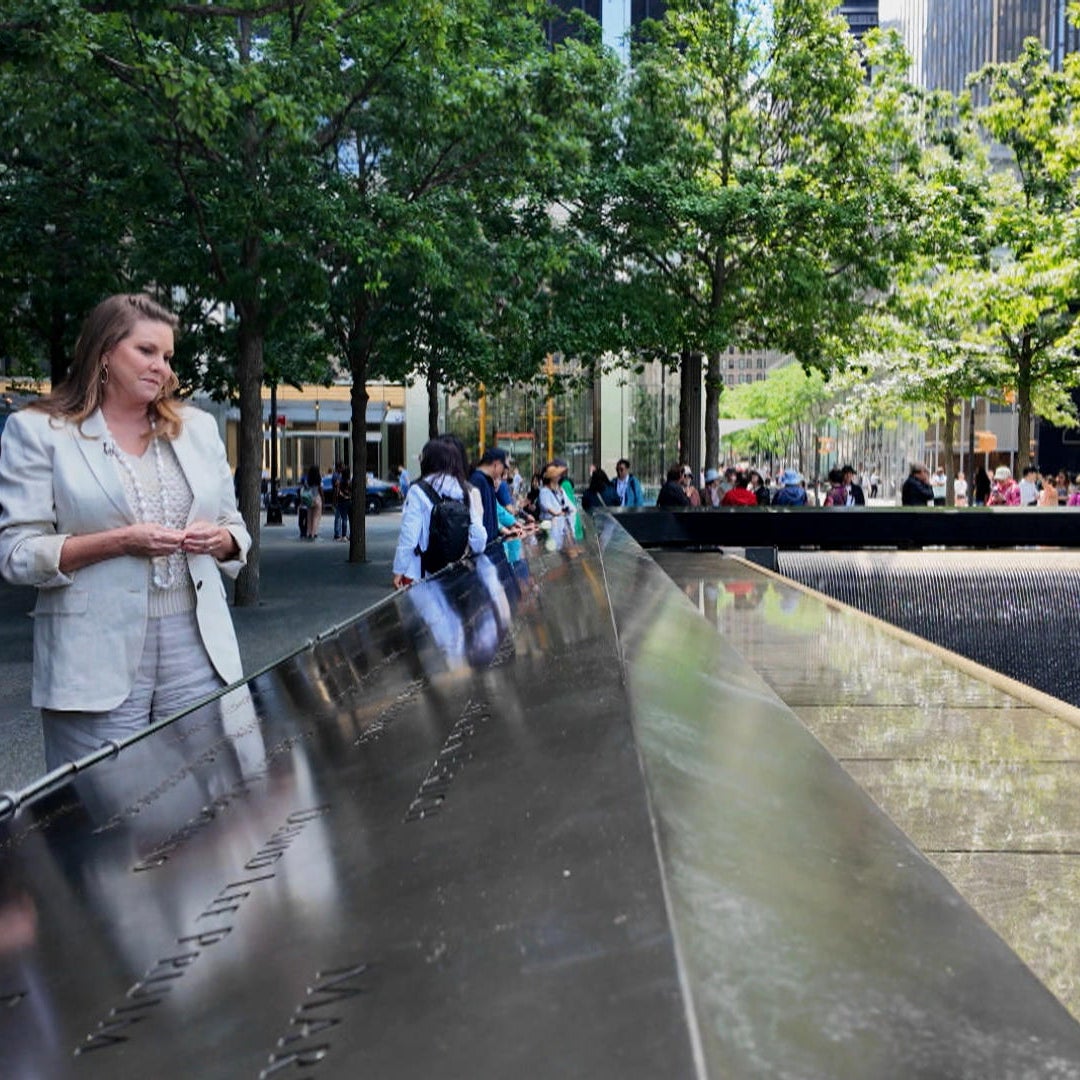
The Ongoing Effort to Identify 9/11 Victims
In New York City, there has been a long-standing effort to reclaim the remains of those lost on September 11th, 2001. On that day, the bodies of nearly 2,800 individuals were buried at ground zero, reduced to anonymous fragments in a grave made of concrete and steel. While many remember the visible bravery of firefighters and first responders who ran up the stairs while others were coming down, fewer know about another group of first responders — those dedicated to identifying the victims.
Today, new technology is helping the New York City Office of the Chief Medical Examiner fulfill a promise to do whatever it takes, as long as it takes, to put names to the remains.
Finding the Fragments
To begin the identification process after 9/11, the first step was to find the remains. In the weeks and months that followed the attack, teams of government workers worked tirelessly to comb through the wreckage. When two massive skyscrapers fell, they left behind nearly 2 million tons of debris, which became known as "the pile." Each worker in this search became like an archeologist, digging into a prehistory of America — a time before the so-called war on terror — all laboring to raise the dead.
Dan Henry, a Port Authority Police Department officer, spoke about the emotional impact of this work. He had lost his brother, fireman Joseph Henry, and joined others in searching for remains. He described the process as the beginning of closure for families who had endured unimaginable pain.
The Search Continues
The search for remains continued for months, with workers digging until they reached the bedrock of Manhattan. Each bucket of debris was examined by hand, looking for human remains. Once everything was examined, the rubble was sent to Staten Island, where workers sorted and sifted through the wreckage manually. They searched for anything that might identify a life: a wallet, a bone fragment, a wedding ring.
Nicole Petrocelli LaMorte, whose husband Mark was one of the early identified victims, spoke about her desire to know every time a part of him was found. She believed that if he were sick and dying, she would have taken care of him, and she wanted to bring the remains home.
Identifying the Victims
While some family members opted not to be informed when their loved ones' remains were identified, others, like Petrocelli LaMorte, chose to know every time. At the time of her interview, she was told about four separate recoveries of her husband, a commodities broker for Carr Futures. He had left home early that morning to attend his first brokers' meeting in the World Trade Center's North Tower. After the crash, no one above the 91st floor survived.
Petrocelli LaMorte's story highlights the emotional journey of families waiting for answers. She expressed hope that the identification process would continue for quite some time, bringing closure to families still waiting.
A Long Wait for Answers
One morning in December 2023, police officers knocked on Ellen Niven's door. She had just put up her Christmas tree when she saw them, fearing something had happened to her son. Instead, they brought a letter she thought might never come: a notice informing her that her late husband's DNA had been identified for the first time.
For 22 years, Ellen Niven had not heard anything about her husband, John, who was a 44-year-old insurance executive at Aon. His coworker, Kevin Cosgrove, had been identified a week after the attack, but for decades, Niven had assumed the search had ended shortly after 9/11.
Scientists had unearthed 15 of Niven's bone fragments over the years, but extracting enough DNA for a match proved difficult. According to Mark Desire, assistant director of forensic biology at the New York City Office of Chief Medical Examiner, the remains went through extreme conditions that destroyed DNA, including jet fuel, mold, bacteria, heat, and fire.
New Technology Helps Identify Remains
Today, scientists use advanced methods to extract DNA from bone. They pulverize the bone into a fine powder using a cryogenic grinder filled with liquid nitrogen. This process shatters the cells, releasing DNA for analysis. New methods, including Y chromosomal and nuclear technology, helped identify Niven's remains, linking DNA from a bone fragment to a cheek swab taken from her son, Jack, in the days after the attack.
The news of the match brought back memories of Niven's late husband, who was described as calm, witty, and full of humor. Their last memory together was the morning of September 11, 2001, when John fed their young son cherry yogurt before leaving for work.
The Impact on Families
For Kathy Haberman, the finite nature of memories like these is still hard to accept. Her daughter Andrea, a 25-year-old administrative assistant for Carr Futures, was on her first business trip. She had written about the 1993 World Trade Center bombing for an English assignment, showing her awareness of the risks. After landing in New York City, she reported for work on the 92nd floor of the North Tower.
Over the years, the Haberman family has received 11 notifications that Andrea's remains have been identified. Each time, the family feels present for their daughter in death. They remember her as beautiful, intelligent, and looking forward to the future, including her upcoming wedding.
The Ongoing Search
Today, about 40% of 9/11 victims remain unidentified, meaning the families of approximately 1,100 people have never received that call of closure. However, the work continues, with forensic biologist Mark Desire stating that samples are still being tested every week.
For those who have been contacted, the endless search to identify their loved ones' remains has made it feel as though the nation has kept its promise to "never forget."
Ellen Niven, whose late husband was the 1,650th victim identified, expressed gratitude for the process. She now reflects on how far she and their son, Jack, have come since that day. For her, it is not closure, but a deeper understanding of the importance of finding answers.
"You do a lot of almost philosophical kind of soul searching, how important it is in human nature to either find a body, or find answers," she said. "And even if this remain is infinitesimally small, there's huge symbolism in that."

Post a Comment for "Honoring the 9/11 Fallen"
Post a Comment