Hong Kong Court Hear Final Arguments in Jimmy Lai's National Security Case
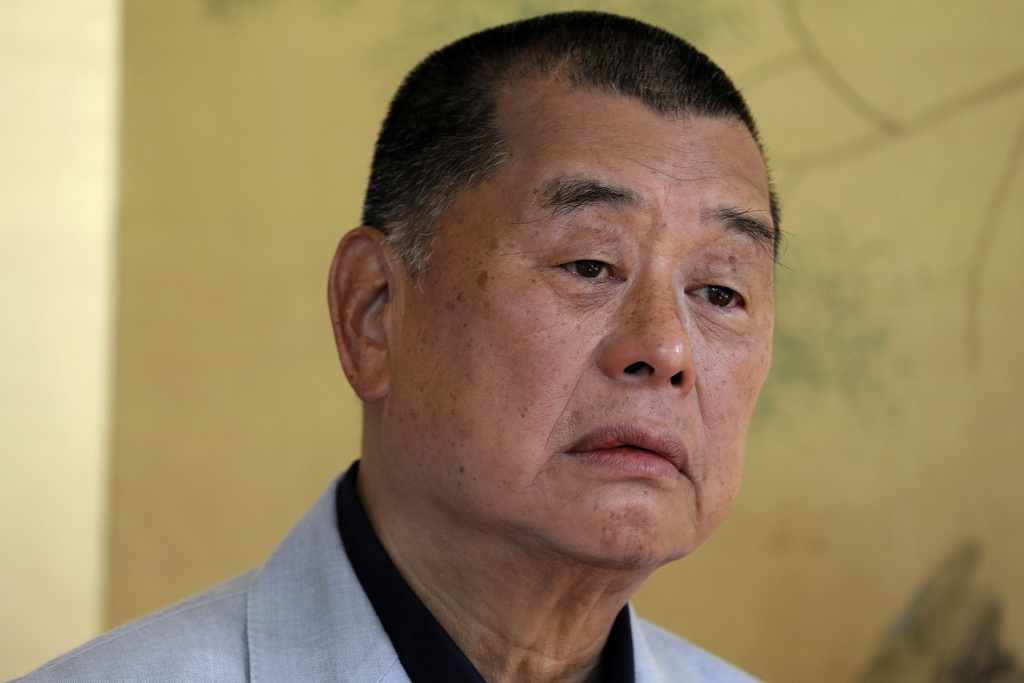
The Landmark National Security Trial of Jimmy Lai
A Hong Kong court recently heard final arguments in the high-profile national security trial of Jimmy Lai, a 77-year-old former pro-democracy newspaper founder. If convicted, Lai could face a life sentence for charges including colluding with foreign forces to endanger national security and conspiring to issue seditious publications.
Lai was arrested in 2020 under a national security law imposed by Beijing following anti-government protests in 2019. He is best known for founding Apple Daily, one of the most critical local media outlets of Hong Kong’s government. His case has lasted nearly 150 days, nearly double the original estimate, and is seen as a significant test for press freedom and judicial independence in the city.
The trial has been marked by several delays, initially due to weather conditions and later concerns over Lai's health. During a recent hearing, his lawyer reported that Lai had experienced heart palpitations while in prison. Judges required him to have a heart monitor and medication before proceeding. Despite these challenges, Lai appeared in court on Monday, waving and smiling to those in the public gallery.
Prosecution's Argument and Allegations
Prosecutor Anthony Chau emphasized that Lai was arrested in August 2020 for collusion, but continued to make requests for sanctions or hostile activities in the following months. Chau argued that Lai’s actions were not just targeting individuals but also China itself, highlighting long-term and persistent foreign collaborations.
A prosecution document stated that while the law does not prohibit normal international exchanges, Lai’s attempts to compare his actions to cooperation between Hong Kong’s prosecuting authority and the International Association of Prosecutors were confusing. It noted that it was surprising to see Lai using freedoms of thought and association as a shield.
Chau is expected to conclude his closing statement soon. Earlier in the trial, prosecutors alleged that Lai asked foreign countries, especially the United States, to take actions against Beijing “under the guise of fighting for freedom and democracy.”
Lai's Testimony and Denials
During his testimony, Lai denied asking then-Vice President Mike Pence and then-Secretary of State Mike Pompeo to take action against Hong Kong and China during the 2019 protests. When questioned about an Apple Daily report suggesting he had requested U.S. sanctions, Lai said he must have discussed it with Pompeo, as he had no reason to doubt the report's accuracy.
However, Lai claimed he would not have encouraged foreign sanctions after the national security law was enacted in June 2020. His health concerns have continued to impact the trial, with the prosecution stating that the heart monitor was delivered and Lai had no complaints about his health.
International Attention and Public Concerns
Lai's prolonged detention has drawn attention from foreign governments and human rights groups. Former U.S. President Donald Trump had previously expressed interest in securing Lai's release, stating he would talk to Chinese leader Xi Jinping about the matter. While Trump later denied making such a promise, he reiterated his intention to raise the issue.
China has accused Lai of inciting anti-China sentiments in Hong Kong and has opposed foreign interference in its internal affairs. Dozens of people braved the rain to attend the trial, with some expressing concern over Lai's health and continuing to support him.
Broader Implications for Hong Kong
When Hong Kong returned to China in 1997, Beijing promised to maintain the city’s civil liberties for 50 years. However, critics argue that this promise has eroded since the introduction of the national security law, which authorities claim was necessary for stability. The case has sparked ongoing debates about the balance between security and civil liberties in Hong Kong.

Post a Comment for "Hong Kong Court Hear Final Arguments in Jimmy Lai's National Security Case"
Post a Comment