Honda's Tiniest Electric Ride Packs Big Practicality and Charm
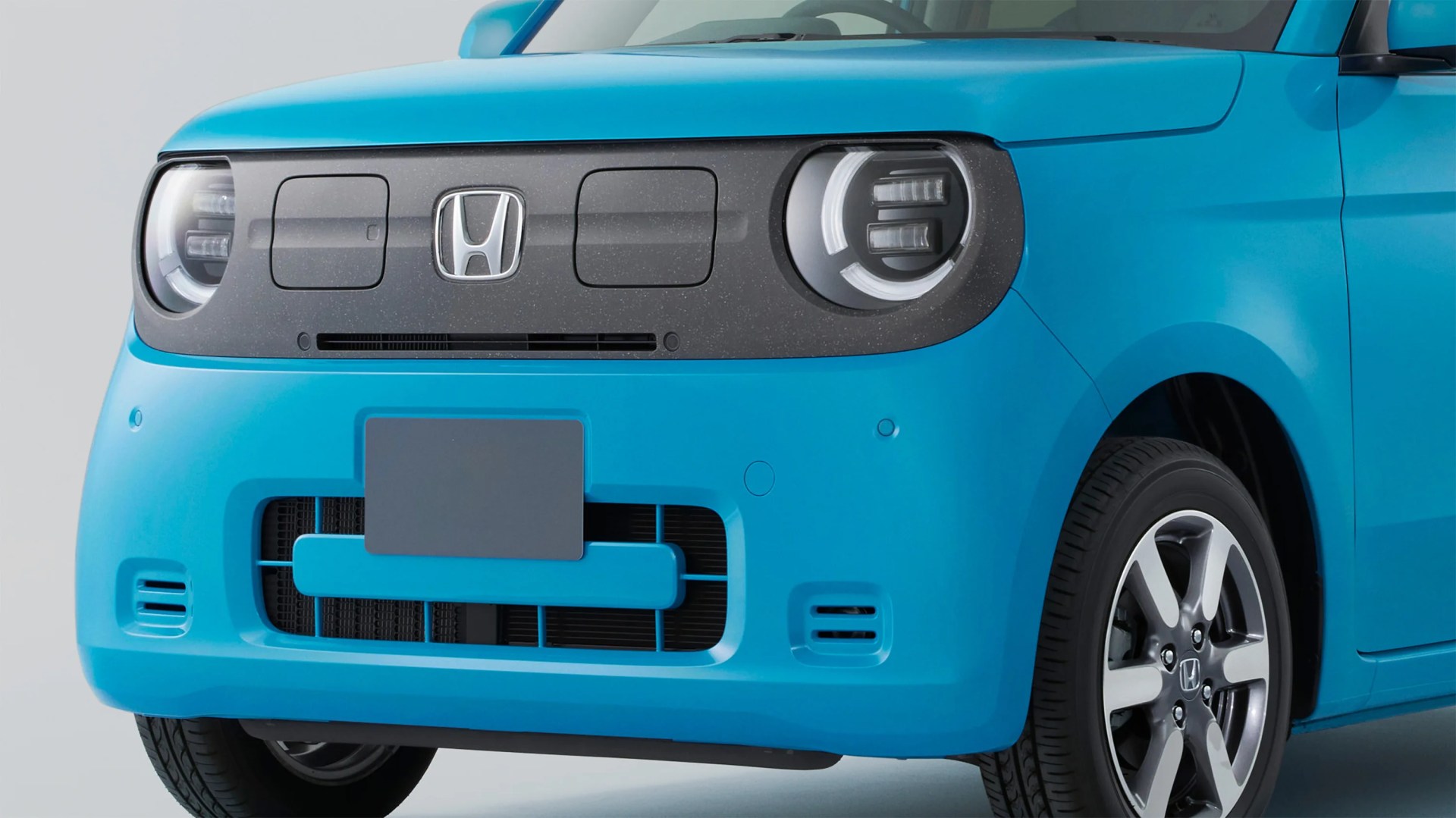
A New Era for Honda's Compact Electric Vehicles
Honda has long been a pioneer in the electric vehicle (EV) space, with its first battery-powered model, the EV Plus, introduced back in 1997. However, it wasn’t until 2020 that the brand launched the Honda e, a compact and charming EV that captured attention with its unique design and modern features. Despite its appeal, the Honda e struggled to gain traction due to its high price and limited range compared to larger competitors. In response, Honda gradually phased out the model from its European lineup in 2023 and eventually discontinued it in Japan last January.
Now, the Japanese automaker is making a comeback with a new line of compact electric vehicles. Following the launch of the N-Van e in 2024 and the dramatic unveiling of the Super EV at the Goodwood Festival of Speed, Honda has announced the upcoming release of the N-One e. This retro-styled subcompact is set to become the next all-electric model in the brand’s lineup.
Retro Revival with Modern Innovations
Inspired by Honda’s 1967 N360, the N-One e draws on the legacy of the original N-One, which was introduced in 2012. However, the new model brings a fresh approach to urban mobility. Designed as a “daily partner,” the N-One e incorporates modern convenience features that go beyond those of its gas-powered predecessor.
One standout feature is the highly modular interior layout, which allows for flexible use of space. The vehicle also includes button-enabled single-pedal control, making it easier to manage acceleration and braking. Additionally, the N-One e offers vehicle-to-home and vehicle-to-load charging capabilities, allowing it to function as a mobile power bank. An optional Honda power supply connector enables users to charge homes and appliances, further enhancing the car’s utility.
Although Honda has not yet released full specifications, the N-One e is expected to provide a cruising range of over 167 miles under the WLTC test cycle. While this may seem modest, it places the model on par with the Honda e, despite its smaller kei car footprint.
Sustainable Design and Eco-Friendly Materials
As the automotive industry continues to embrace electrification, many manufacturers are focusing on sustainable materials and eco-friendly construction methods. Honda has taken this initiative a step further with its “resource circulation” program, which aims to minimize the use of non-renewable resources.
For the N-One e, this commitment to sustainability is evident in several aspects of the design. The front grille is made from recycled bumper materials sourced from discarded Honda vehicles. Inside the cabin, plant-derived bio-resin is used for instrument panel accents, while the floor carpets and insulation incorporate recycled PET bottles and even work clothes worn by Honda employees.
These efforts reflect Honda’s broader strategy to reduce environmental impact while maintaining performance and functionality.
Global Expansion and Market Potential
Currently, Honda has announced that advanced reservations for the N-One e will open on August 1st. However, the company has not yet revealed pricing details or confirmed whether the model will be available outside of Japan. Given that the N-One e is classified as a kei car, it is unlikely to reach the U.S. market. However, there is potential for expansion in Europe and other regions.
The recent unveiling of the performance-oriented Super EV in the UK at the Goodwood Festival of Speed suggests that Honda is exploring new markets for its electric models. Whether as an urban subcompact or a practical daily driver, the N-One e could fill the gap left by the Honda e. With its simple design and likely lower price point, the model is well-positioned to appeal to eco-conscious consumers looking for affordable electric options.

Post a Comment for "Honda's Tiniest Electric Ride Packs Big Practicality and Charm"
Post a Comment