Homeless Advocates Challenge Trump's New Homelessness Policy
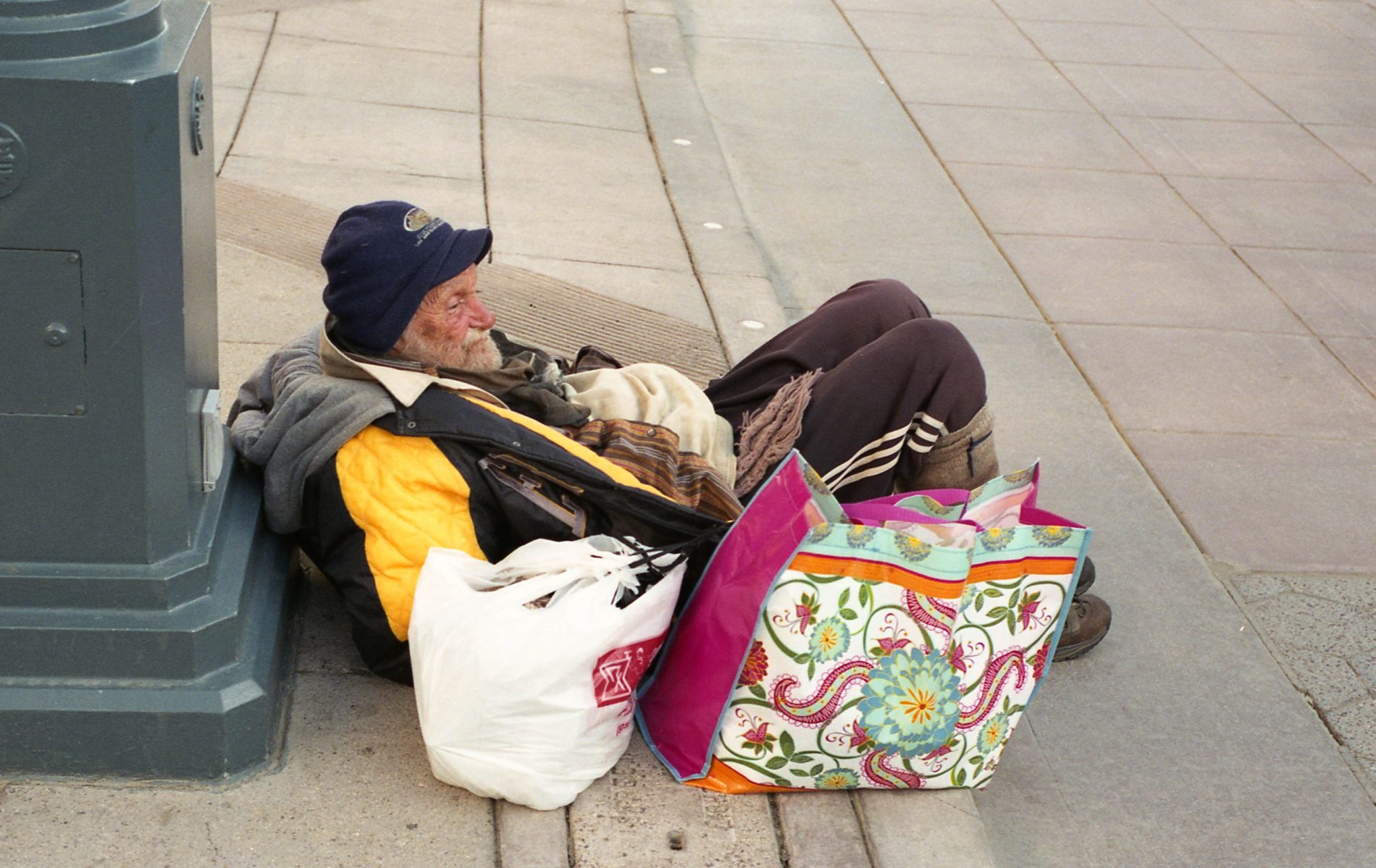
Homeless Advocates Challenge Trump’s New Executive Order on Homelessness
Homeless advocates across the United States are expressing strong concerns over President Donald Trump’s recent executive order aimed at addressing homelessness. The directive includes measures such as imposing fines on individuals living on the streets and forcibly committing them to mental health or drug treatment facilities. However, many experts in the field argue that these actions lack the necessary infrastructure to be effective and may even exacerbate existing problems.
Mel Tillekeratne, co-founder and executive director of End Homelessness California (The Shower of Hope), emphasizes that the current system is not equipped to handle the demands of such an approach. “Whether a person is homeless or housed, we don’t have psychiatric beds to help these people,” Tillekeratne said. “So it doesn’t matter how many laws we try to push around until we actually create the infrastructure.”
Tillekeratne highlighted that even when individuals with severe mental health issues are admitted to psychiatric care, they often face early discharge due to a lack of funding and space. This leaves them without the full treatment they need, further complicating their recovery.
Another key concern raised by advocates is the impact of fining homeless individuals who cannot afford to pay. This practice can lead to increased arrests and overcrowding in the jail system, which is already struggling to manage its current population. Rowan Vansleve, president at Hope the Mission, agrees that criminalizing homelessness is not only morally wrong but also impractical given the current limitations.
“Our prison systems are too full,” Vansleve said. “Our homeless shelters are at capacity.” He argues that the focus should be on creating sustainable solutions rather than punitive measures.
Trump’s executive order directs Cabinet heads to prioritize funding for cities that enforce strict policies against open drug use and street camping. It also mandates that individuals suffering from mental health issues be committed to treatment without their consent. The administration claims this will create a safer environment for the public, but critics argue that this approach fails to address the root causes of homelessness.
Vansleve acknowledges that there are cases where individuals with severe mental health or addiction issues require immediate intervention. However, he warns that such directives could lead to the criminalization of poverty. “We have people in our interim housing shelters who aren’t suffering from an addiction or mental health issues,” Vansleve said. “They’re simply someone who has been through trauma or fallen behind on rent.”
Tillekeratne notes that similar strategies have been tried before, but they have not effectively addressed the homelessness crisis. “We try these small methods, short-term methods that we think will help, but we don’t invest in the long-term resources we need,” she said.
Recent developments in California, such as the Supreme Court’s decision to make it easier for cities to clear encampments, have added to the complexity of the issue. Governor Gavin Newsom has also pushed for stricter measures, including illegal dumping laws and a model ordinance that limits camping to three nights. While these efforts aim to reduce the visibility of homelessness, they do not provide long-term solutions.
In contrast to California’s approach, Trump’s executive order seeks to defund harm reduction programs and abolish federal support for “housing first” initiatives. These programs provide housing to homeless individuals regardless of their current substance use, which is seen as a critical step in helping them regain stability.
Tillekeratne stresses that federal funding for housing vouchers plays a vital role in supporting homeless individuals in Los Angeles. If Trump were to reduce this funding, it could have serious consequences for the region, which is already struggling to meet the demand for permanent housing.
“Instead of ticketing people, the federal government should increase the number of housing vouchers and help build more psychiatric infrastructure,” Tillekeratne said. “That’s the way to get out of this crisis.”
Advocates continue to call for a balanced approach that prioritizes compassion, dignity, and long-term solutions over punitive measures. They believe that true progress will only be achieved through investment in infrastructure, mental health services, and affordable housing.

Post a Comment for "Homeless Advocates Challenge Trump's New Homelessness Policy"
Post a Comment