Home Test Can Detect Deadly Cancer Early
A New Approach to Early Melanoma Detection
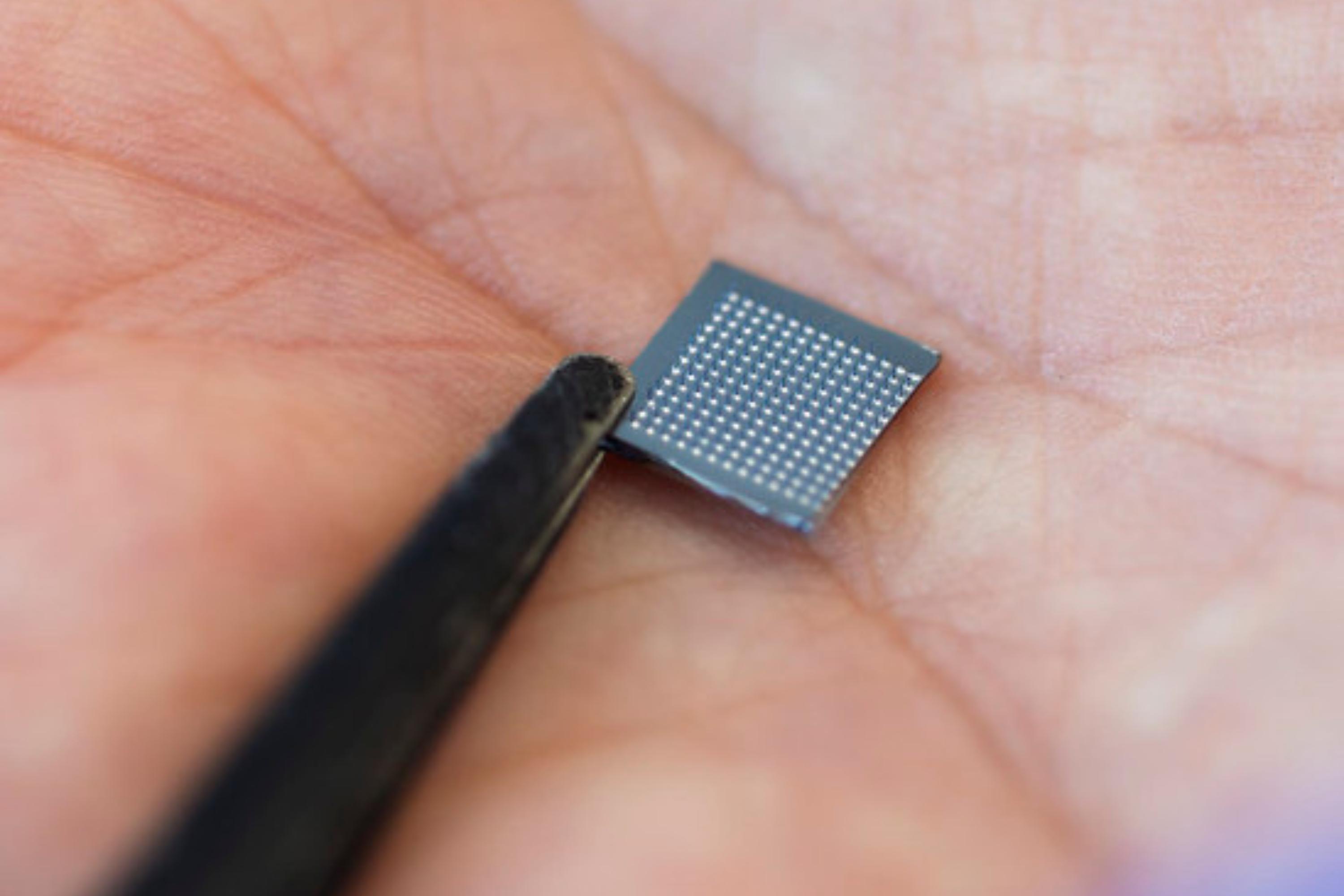
A groundbreaking development in the field of skin cancer detection is emerging with a simple, non-invasive test that could allow people to check for melanoma at home. This innovative method involves a silicone patch equipped with star-shaped microneedles, offering a potential alternative to traditional biopsies and blood tests.
Funded by the National Institutes of Health, researchers from the University of Michigan (U-M) have developed this patch, known as the 'ExoPatch'. The device has shown promise in distinguishing melanoma from healthy skin in mice, marking a significant step forward in early detection technology.
The ExoPatch works by using its microneedles to collect exosomes—tiny cellular components that carry genetic material. These exosomes are then analyzed using a test strip, which displays two lines if melanoma is detected and one line if it is not. This process is similar to a home-based COVID-19 test, making it accessible and user-friendly.
While the ExoPatch is still in the proof-of-concept stage, its potential applications are vast. According to study author Sunitha Nagrath, a chemical engineering professor at U-M, the design of the patch makes it easier and less painful to use. The microneedles are small enough to only penetrate the top layer of the skin, the epidermis, without drawing blood.
Melanoma is the most dangerous type of skin cancer due to its rapid spread if not caught early. Unlike other types such as basal cell or squamous cell carcinomas, melanoma can quickly metastasize to other organs, making early detection crucial. Dr. Sophie Momen, a consultant dermatologist, emphasizes the importance of regular skin exams, dermoscopy, and digital mole mapping for monitoring suspicious lesions.
Patients are encouraged to perform monthly self-checks and seek immediate evaluation for any changing or new spots. For those at higher risk, routine screenings are especially important.
The ExoPatch could revolutionize how individuals monitor their skin health. Currently, fair-skinned individuals with moles may need to visit a doctor every six months for biopsies. With this new test, they could instead conduct a quick home test and receive results immediately, following up with a dermatologist if needed.
The microneedles on the ExoPatch are 0.6 mm long and less than 100 nanometers wide at the tip. They are coated with a gel containing Annexin V, a protein that attracts exosomes to the microneedles' surface. Once removed, the patch is placed in an acid solution to release the exosomes into a liquid, which is then tested using a strip.
The research team first tested the ExoPatch on pig skin tissue, which closely resembles human skin. They then used mouse skin samples, half from healthy mice and half from those injected with human melanoma tumor fragments. After 15 minutes, the patch was examined under a microscope, revealing that exosomes adhered well to the microneedles.
The test successfully distinguished between melanoma and healthy tissues, with a 3.5-fold darker line in cancerous samples. The ExoPatch isolated 11.5 times more exosomal protein from melanoma tissue compared to healthy tissue, demonstrating its ability to target cancerous exosomes specifically.
Dr. Momen acknowledges the potential of this technology but remains cautious. She advises patients to consult their doctors about any concerns regarding moles or skin changes. The reliability of such methods depends on proper sample collection, and there is a risk of false reassurance.
To advance this technology, the researchers plan to conduct a pilot study in humans followed by clinical trials. Beyond melanoma, the ExoPatch's gel coating could be adapted to detect exosomes from other cancers, including lung, breast, colon, prostate, and brain cancer.
This innovation represents a promising step toward more accessible and effective skin cancer detection, potentially transforming how individuals monitor their health and seek medical care.

Post a Comment for "Home Test Can Detect Deadly Cancer Early"
Post a Comment