Highway Sign Colors: What They Mean and Why They Matter
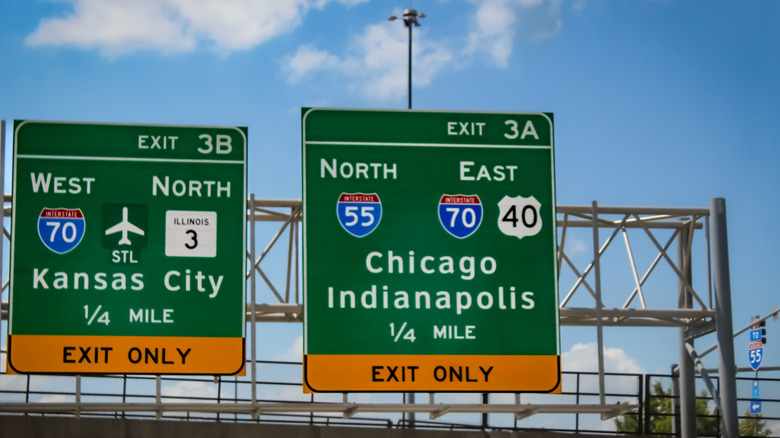
Understanding Highway Signage: The Importance of Color Coding
Highway signs are essential tools for drivers, providing critical information about distances, exits, and potential hazards. While some signs are straightforward, others can be confusing, making it important to understand the meaning behind their colors. In the United States, a standardized color system is used across all states to ensure consistency and safety on the roads.
Green is the most common color for highway signage, particularly for distance and directional information. These signs help drivers know where exits are located, how far cities or landmarks are from their current position, and the location of important points like monuments or town squares. Green and white signs also serve as mile markers, which are crucial for determining your location on the road and reporting accidents if needed.
In addition to green, other colors play specific roles in conveying distance-related information. Blue signs, for instance, indicate travel amenities such as rest areas, gas stations, and hospitals. They might tell you that a rest area is three miles ahead or that a hospital is nearby. Brown signs, on the other hand, point out tourist attractions like museums, national parks, and recreational facilities. These signs often provide details about nearby services such as drinking water, picnic areas, or hiking trails.
Yellow signs are designed to alert drivers to potential dangers ahead. They may warn of upcoming curves, stop signs, or changes in road conditions. For example, a yellow sign might say, "Curve Ahead: 500 Feet" or "Stop Sign: 1 Mile." Orange signs, meanwhile, signal construction or traffic zones. They inform drivers about lane changes, speed adjustments, or detours. Common messages on orange signs include "Road Work: Next 3 Miles" or "Detour: 1 Mile."
Red signs are reserved for the most urgent situations. They indicate severe obstacles such as closed roads, bridge closures, or dangerous conditions that require immediate attention. A red sign might read, "Closed Road: 10 Miles Ahead" or "Bridge Out: 500 Feet."
By understanding these color-coded systems, drivers can make informed decisions and navigate the roads more safely. This knowledge is especially valuable when traveling between states, as the color scheme remains consistent nationwide. Whether you're planning a road trip or simply commuting to work, being aware of what each sign means can enhance your driving experience and reduce the risk of accidents.
Key Takeaways About Highway Sign Colors
- Green: Used for directional and distance information, including exits, cities, and landmarks.
- Blue: Indicates travel amenities such as rest areas, gas stations, and hospitals.
- Brown: Points to tourist attractions like museums and national parks.
- Yellow: Warns of potential dangers, such as curves or changes in road conditions.
- Orange: Alerts drivers to construction or traffic zones, often indicating detours or lane changes.
- Red: Signals urgent issues like closed roads or bridge closures.
Familiarizing yourself with these signs not only improves your navigation skills but also contributes to safer driving practices. As you drive, keep an eye on the color of the signs around you, and use this knowledge to make better decisions on the road. Whether you're a regular commuter or an occasional traveler, understanding highway signage is a valuable skill that can benefit you in many ways.

Post a Comment for "Highway Sign Colors: What They Mean and Why They Matter"
Post a Comment