Higher Processed Food Intake Tied to Greater Lung Cancer Risk
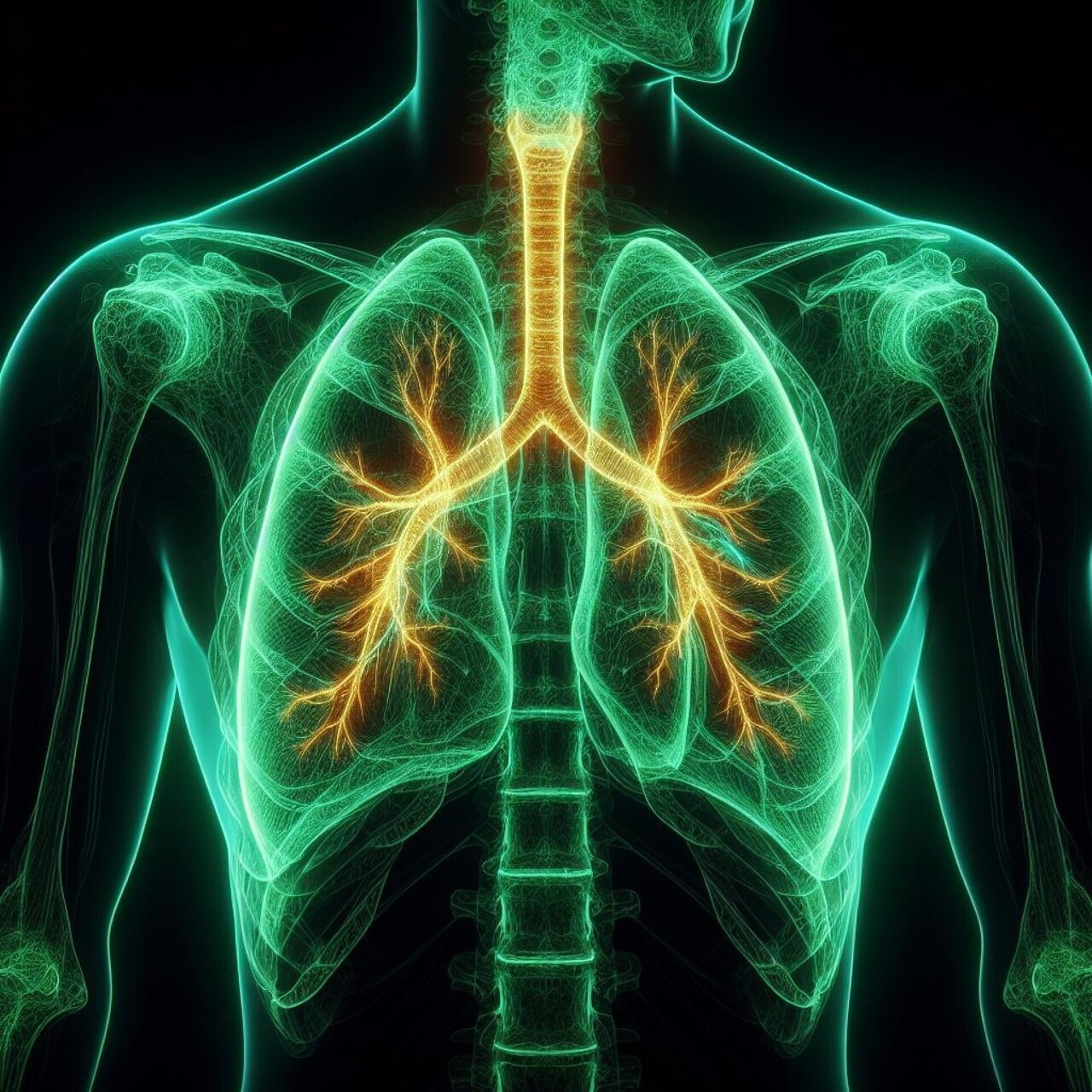
Understanding the Link Between Ultra-Processed Foods and Lung Cancer
Recent research has highlighted a concerning connection between the consumption of ultra-processed foods (UPF) and an increased risk of lung cancer. This study, published in the journal Thorax, suggests that higher intake of these foods may contribute to the global burden of this deadly disease. While further investigation is needed across different population groups, experts recommend reducing UPF consumption as a potential strategy to mitigate lung cancer risk.
Lung cancer remains the most prevalent type of cancer worldwide. In 2020 alone, it was responsible for an estimated 2.2 million new cases and 1.8 million deaths globally. The study aimed to explore whether UPF, which undergo multiple processing steps and often contain numerous additives and preservatives, might also be linked to lung cancer.
The research utilized data from the Prostate, Lung, Colorectal and Ovarian (PLCO) Cancer Screening Trials, involving 155,000 participants aged 55 to 74. These individuals were randomly assigned to either a screening or comparison group between November 1993 and July 2001. Researchers tracked cancer diagnoses until the end of 2009 and cancer-related deaths until the end of 2018.
A subset of 101,732 participants who completed a Food Frequency questionnaire on their dietary habits were included in the study. Foods were categorized into four groups: unprocessed or minimally processed, containing processed culinary ingredients, processed, and ultra-processed. The researchers focused specifically on UPF, which includes items such as sour cream, cream cheese, ice cream, frozen yogurt, fried foods, bread, baked goods, salted snacks, breakfast cereals, instant noodles, shop-bought soups and sauces, margarine, confectionery, soft drinks, sweetened fruit drinks, restaurant or shop-bought hamburgers, hot dogs, and pizza.
On average, participants consumed nearly 3 servings of UPF per day, with the range varying from 0.5 to 6 servings. The most commonly consumed UPF categories included lunch meat, diet or caffeinated soft drinks, and decaffeinated soft drinks.
Over an average tracking period of 12 years, 1,706 new cases of lung cancer were diagnosed, with 1,473 cases being non-small cell lung cancer (NSCLC) and 233 cases being small cell lung cancer (SCLC). The number of cases was higher among those consuming the most UPF compared to those eating the least.
After adjusting for factors such as smoking and overall diet quality, participants in the highest quarter of energy-adjusted UPF consumption had a 41% higher risk of being diagnosed with lung cancer than those in the lowest quarter. Specifically, they were 37% more likely to develop NSCLC and 44% more likely to develop SCLC.
It is important to note that this is an observational study, meaning no definitive cause-and-effect conclusions can be drawn. The researchers acknowledged limitations, including the inability to account for smoking intensity, which could have influenced the results. Additionally, dietary information was collected only once, so changes over time could not be considered. The number of cancer diagnoses was relatively small, which limits the strength of the findings.
Despite these limitations, the researchers emphasized the low nutritional value of UPF and the high levels of sugar, salt, and fats they typically contain. They noted that over the past two decades, UPF consumption has risen significantly worldwide, regardless of economic status. This increase may be contributing to rising rates of obesity, cardiovascular disease, metabolic disorders, cancer, and mortality, as UPF are known risk factors for these conditions.
The researchers suggest that high UPF intake may displace healthier food choices, such as whole grains, fruits, and vegetables, which are protective against cancer. They also pointed out that industrial processing can alter the food matrix, affecting nutrient absorption and potentially generating harmful contaminants. For example, acrolein, found in grilled sausages and caramel sweets, is a toxic component of cigarette smoke. Packaging materials may also play a role in these health risks.
In conclusion, the study highlights the need for further large-scale longitudinal research in diverse populations to confirm these findings. If a causal relationship is established, reducing UPF consumption globally could play a significant role in lowering the burden of lung cancer.

Post a Comment for "Higher Processed Food Intake Tied to Greater Lung Cancer Risk"
Post a Comment