High Heat Batters New England as Families Seek Relief and First Responders Warn of Dangers
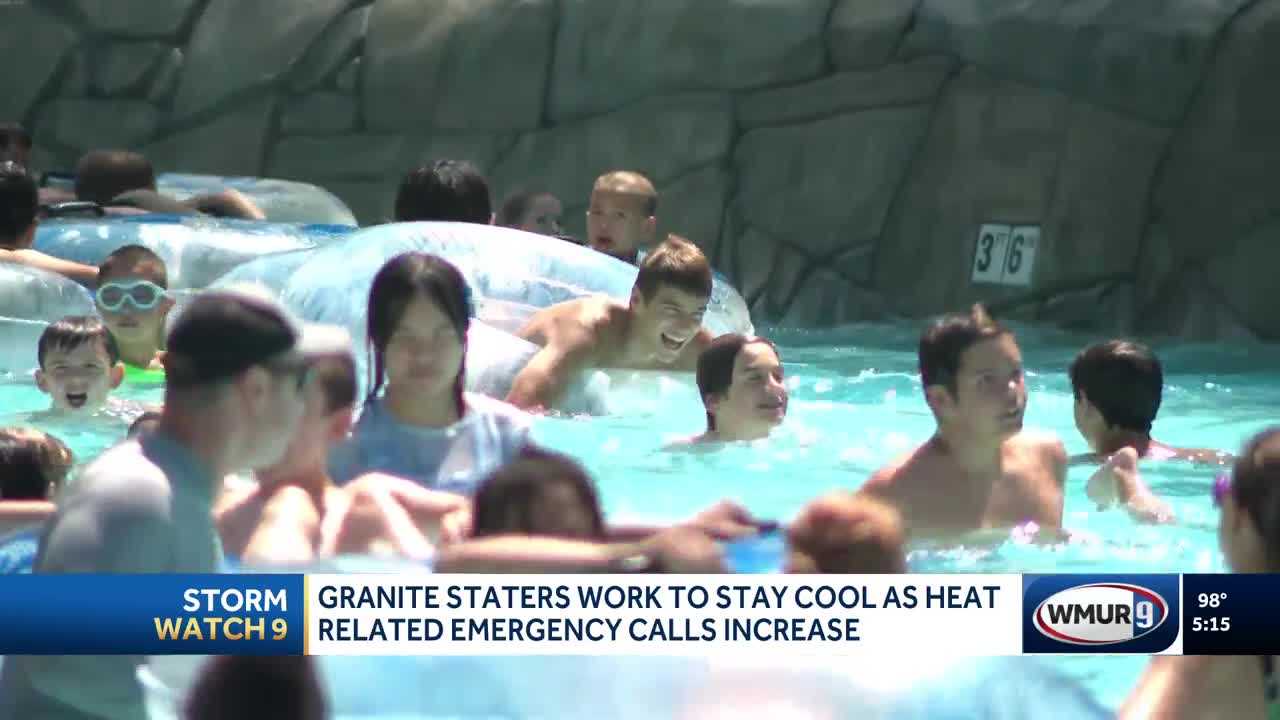
Escaping the Heat: Families Flock to Water Parks as Medical Professionals Warn of Rising Risks
On a day when the air felt like a sauna and the sun refused to show any mercy, families at Canobie Lake Park were doing what many across New England are trying to do this summer: find relief from the scorching heat. The park became a refuge for children and parents alike, offering a much-needed escape from the oppressive temperatures that have become all too common.
Tuesday marked the 18th day this year that temperatures reached 90 degrees or higher in parts of New Hampshire, contributing to what is already one of the hottest summers on record. As the heat continues to rise, so do concerns about its impact on public health. Medical professionals and first responders are issuing urgent warnings about the dangers of prolonged exposure to high temperatures, especially when combined with humidity.
Katie Papadeas, a resident of Nashua, brought her neighborhood group to the park, explaining that they are season pass holders who visit once a week to beat the heat. “We love it,” she said. “But definitely getting out of the sun and into the water is key.” The park’s lazy river and water slides were packed with visitors seeking relief, including Diana Lendack, who traveled from northeastern Massachusetts with her daughter and four grandchildren. “It’s 100 degrees in the sun. I’m melting!” she laughed. “But getting in the water—even just up to my knees—helps cool you down.”
While the fun continues, the warnings from those on the front lines are growing louder. Chris Stawasz, regional director for American Medical Response, reported a 20% increase in heat-related 911 calls this summer. Many of these calls involve people who were outdoors for work or recreation without proper hydration or breaks. “More often than not, it's the humidity rather than the heat,” Stawasz said. “It's oppressive.” He urged people to listen to their bodies, take frequent breaks, drink non-alcoholic fluids, and seek shade whenever possible. “If you're dizzy or feel like you're going to pass out, get out of the sun and into a cool space,” he added.
First responders are also feeling the strain of the extreme conditions. Stawasz noted that firefighters, EMS crews, police, and public works teams are working in heavy gear under stressful conditions. “We've had to assign extra personnel just for rehab,” he said, referring to crews who monitor vital signs and help responders recover after heat exposure.
Dr. Marc Grossman, the medical director for HCA New England's hospitals in Portsmouth and Parkland, confirmed that emergency departments are seeing more cases of heat exhaustion and, in severe cases, heatstroke. “It starts with cramping, then nausea, vomiting, and eventually, your body can't cool itself,” Grossman explained. “Once it progresses to heatstroke, it's a medical emergency and potentially fatal.” Treatments include ice baths, internal cooling tubes, and intensive care, but Grossman emphasized that these measures are avoidable with proper planning and awareness.
He stressed the importance of taking scheduled breaks, bringing more water than needed, and checking on elderly neighbors or young children, who may not recognize early signs of illness. “People don't think they're vulnerable until it happens to them or their family,” he said. “And by then, it's sometimes too late.”
One of his strongest warnings is to never leave a child or pet in a parked car, even for a minute. Temperatures inside a car can climb to 140 degrees, a mistake Grossman called “a completely preventable tragedy.”
As the heat continues to grip New England, families are finding ways to stay cool while first responders urge caution. With rising temperatures and increasing risks, staying informed and prepared is more important than ever.

Post a Comment for "High Heat Batters New England as Families Seek Relief and First Responders Warn of Dangers"
Post a Comment