Healthcare Deserts in 2025: 80% Lack Access to Care
Understanding Healthcare Deserts in the United States
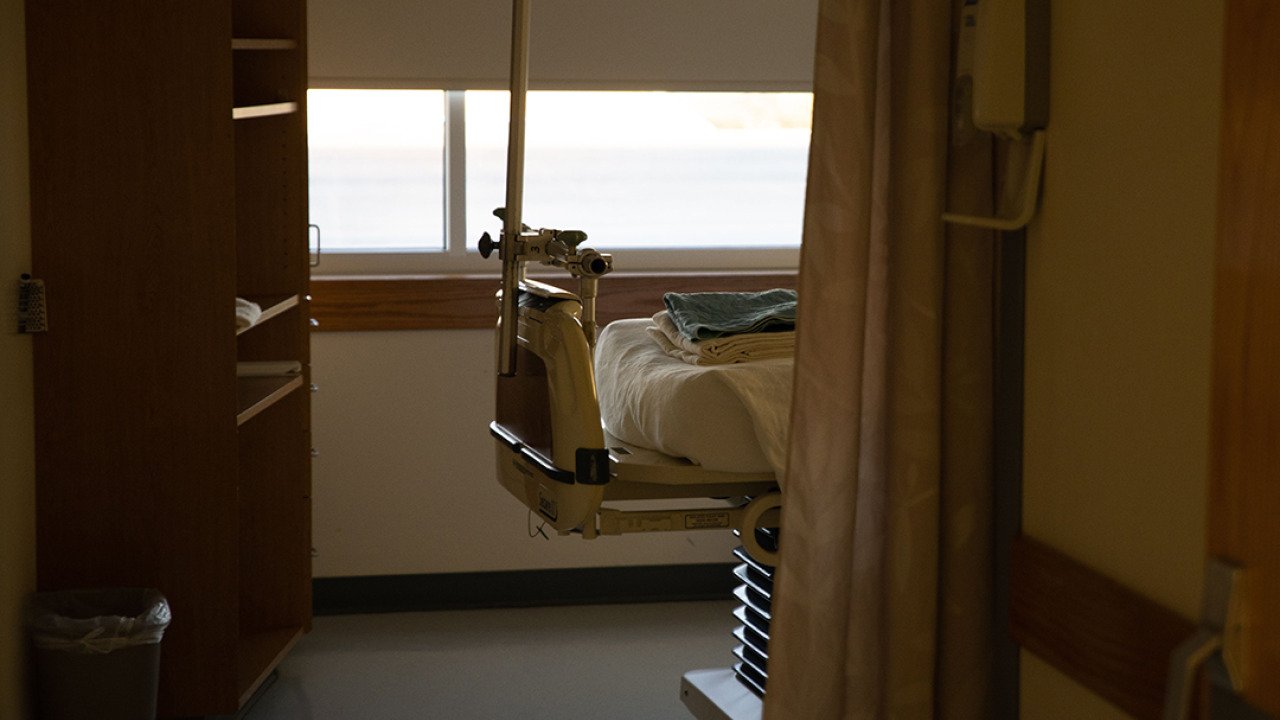
Healthcare deserts are areas where residents face significant challenges in accessing essential healthcare services. These regions lack adequate infrastructure, including pharmacies, primary care facilities, hospitals, emergency services, and low-cost community health centers. According to new data from GoodRx Research, more than 80% of U.S. counties — home to over 120 million Americans — still lack proper access to these critical services.
The Impact of Healthcare Deserts
Since 2021, the situation has not improved significantly. In fact, the number of pharmacy closures has increased, leading to a rise in pharmacy deserts. Over 48 million people now live in areas where they must travel more than 15 minutes to reach a pharmacy, compared to 41 million in 2021. This is particularly concerning for those without reliable transportation, as it can make filling prescriptions difficult.
Similarly, access to hospital services, including trauma care and hospital beds, has remained stagnant. Over 28 million people live over 30 minutes from the nearest hospital, and nearly 79 million live in areas with fewer than 2 hospital beds per 1,000 people. For these individuals, timely medical care may be out of reach, especially in emergencies.
Primary Care and Community Health Center Deserts
While the number of federally designated primary care healthcare professional shortage areas has decreased since 2021, this is largely due to a system reclassification rather than an actual improvement. The average patient caseload in remaining primary care deserts remains high, with one full-time provider for every 7,597 people — far exceeding the recommended level.
Federally funded community health centers have become slightly more accessible, but funding for these centers and programs addressing primary care shortages is at risk due to federal policy changes. Over 71 million people still live in health center deserts, though this number has decreased from over 78 million in 2021.
States Most Affected by Healthcare Deserts
Certain states have been hit harder by healthcare deserts. Wyoming, Vermont, Montana, New Mexico, and Alaska have the highest percentages of their populations living in healthcare-desert counties. Specific counties, such as Catron County in New Mexico and Duval County in Texas, face widespread healthcare deserts, making access to even basic services challenging.
Who Is Most Affected?
Healthcare access goes beyond physical infrastructure. People may face personal or financial barriers that prevent them from using available services. Factors such as lack of health insurance, low household income, and poor internet access are more common in states with higher numbers of healthcare deserts. These challenges can make it even harder for residents to obtain necessary care.
The Broader Implications
The prevalence of healthcare deserts means that few individuals have access to all aspects of healthcare. For example, someone may live close to a pharmacy but need to drive over an hour to a trauma center in an emergency. Lacking just one dimension of healthcare can have serious consequences for individual and community health.
Methodology and Data Sources
Data on healthcare deserts was collected from various sources, including the GoodRx database, the Health Resources & Services Administration, and the Indian Health Service. Demographic data came from the American Community Survey. Driving times were calculated based on straight-line distances and adjusted for different driving speeds in urban, suburban, and rural areas.
Pharmacy, hospital, and trauma center deserts were defined based on driving time thresholds. For example, a census tract is considered a pharmacy desert if the average driving time to the three closest pharmacies exceeds 15 minutes. Hospital, low-cost health center, and trauma center deserts are determined by driving times of 30, 20, and 60 minutes, respectively.
Hospital bed deserts are identified if there are fewer than 2 beds per 1,000 people. Primary care provider deserts are defined by having more than 50% of the population in areas with a low provider-to-patient ratio and other socioeconomic factors.
This research highlights the ongoing challenges in ensuring equitable access to healthcare across the United States. Addressing these issues requires a multifaceted approach that includes improving infrastructure, increasing funding, and implementing policies that support underserved communities.

Post a Comment for "Healthcare Deserts in 2025: 80% Lack Access to Care"
Post a Comment