'He Thought He Was Safe': SC Family Demands Change After Son's Amoeba Death
A Tragic Loss and a Call for Action
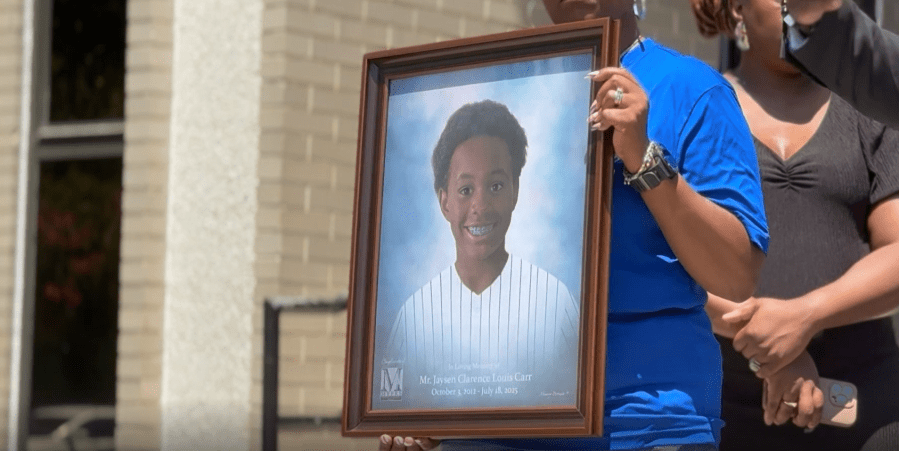
A family in South Carolina is grieving the loss of their 12-year-old son, Jaysen Carr, who died earlier this month after being exposed to a rare and deadly brain-eating amoeba while swimming in Lake Murray. His death has sparked a wave of concern and calls for action from the community, as well as a deeper look into the risks associated with freshwater lakes.
Jaysen was spending a summer day at the lake with friends over the July 4th weekend when he unknowingly came into contact with Naegleria fowleri, an amoeba that can cause a severe brain infection. The amoeba entered his body through his nose, leading to a condition known as primary amebic meningoencephalitis (PAM), which is almost always fatal.
His mother, Ebony Carr, expressed her devastation and frustration, stating, “Had he known the risks, had we known the risk of him swimming in that way, nobody would have ever chosen to get in.”
The Carr family is now urging state officials to take steps to prevent similar tragedies in the future. They are calling for regular testing of freshwater lakes, much like how coastal beaches are monitored for safety. Jaysen’s father, Clarence Carr, emphasized the need for awareness and transparency: “A child should not have to lose their life for doing something they assumed was safe. They should not have to double-check to see if they are going to live or die from being a boy.”
Their attorney, Tyler Bailey, criticized the lack of response from state agencies. He pointed out that there has been no thorough investigation into where Jaysen was swimming and how the exposure occurred. “That’s the whole purpose of an independent investigation because we’re doing the work that the agency should have done,” Bailey said.
Dominion Energy, which owns and operates Lake Murray, released a statement expressing their condolences and acknowledging that while such cases are rare, naturally occurring microorganisms are common in freshwater environments. The company encouraged people to follow safety guidelines from public health agencies when engaging in recreational water activities.
Despite the tragedy, state health departments have indicated that they do not plan to conduct an investigation into Jaysen’s case. The South Carolina Department of Public Health (DPH) stated that it is committed to keeping the public informed about public health threats but does not have plans for an investigation related to this specific incident. They extended their sincere condolences to the Carr family.
The South Carolina Department of Environmental Services (SCDES) explained that while they monitor certain bacteria and algae in water bodies, there are no federal or state standards for testing Naegleria fowleri. Neither the EPA nor the CDC recommends routine sampling of ambient water for this amoeba, and they noted that no other states perform such tests.
Brandi Giles, a nurse practitioner, highlighted that while Naegleria fowleri is indeed dangerous, it is naturally found in many warm freshwater sources. She advised anyone experiencing flu-like symptoms, headaches, or nausea after swimming in lakes to seek immediate medical attention.
This tragic incident has raised important questions about the risks of freshwater recreation and the need for greater awareness and preventive measures. As the Carr family continues to mourn, their story serves as a powerful reminder of the hidden dangers that can exist in seemingly safe environments. Their call for action underscores the importance of ongoing research, education, and policy changes to protect others from similar fates.

Post a Comment for "'He Thought He Was Safe': SC Family Demands Change After Son's Amoeba Death"
Post a Comment