Has Politics and Energy Policy Shifts Killed Brunswick's Offshore Wind Plans?
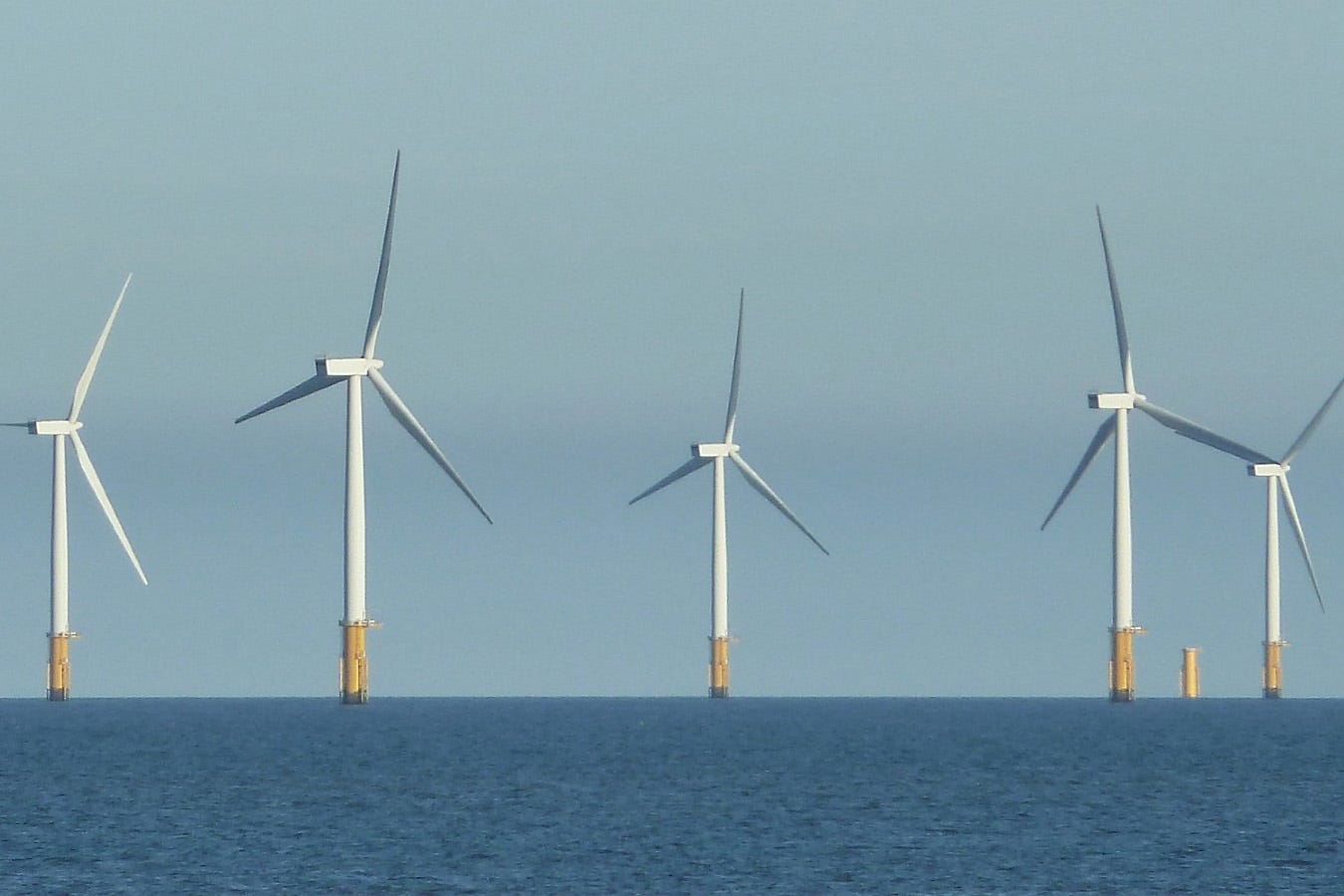
The State of Offshore Wind in North Carolina
North Carolina’s offshore wind projects, particularly those off the Brunswick County coastline, have found themselves in a state of suspended animation. This stagnation is the result of a complex interplay between politics, shifting national energy priorities, a lack of clear regulatory direction, and industry hesitation. These factors have significantly slowed progress on several wind farms that were once in development.
One of the most notable projects involves two wind farms located roughly 20 miles south of the Brunswick County shoreline. In 2022, TotalEnergies Renewables USA and a Duke Energy subsidiary paid the federal government $315 million to lease nearly 140 miles of ocean for these wind farms. If fully developed by the early 2030s, they could generate enough power to supply 750,000 homes. However, despite this promise, the projects remain in limbo.
Another project, also split into two parts, is planned for waters about 27 miles off Kitty Hawk on the Outer Banks. This initiative is more advanced than the Brunswick County projects, but it still faces similar challenges.
Why Offshore Wind?
Offshore wind is considered a crucial element in the transition to cleaner energy sources. It helps reduce reliance on fossil fuels like coal and natural gas, which are major contributors to greenhouse gas emissions. Clean energy advocates see offshore wind as a key tool in decarbonizing energy grids across the country.
However, the industry is not without its critics. Former President Donald Trump, for instance, has been vocal in his opposition to offshore wind projects. Additionally, these projects require significant capital investment upfront, although operational costs drop considerably once the turbines are installed. Some coastal residents also express concerns about the visual impact of windmills on their ocean views, though officials claim the turbines near Brunswick will be nearly invisible from the county's south-facing beaches.
Current Political Climate
When many East Coast offshore wind projects were first proposed, President Joe Biden was in office and actively promoting green energy as a priority to combat climate change. His administration took steps to streamline the permit process and introduced incentives through the 2022 Inflation Reduction Act. These measures aimed to jumpstart the offshore wind industry.
However, under the Trump administration, many of these incentives were rolled back. Projects in the Northeast have continued to move forward, but the overall pace of development has slowed. A recent bill passed by Congress removed most federal financial support for renewables like wind and solar, favoring traditional fossil fuel industries instead.
State Goals and Challenges
Despite the lack of federal support, many states, including North Carolina, have set ambitious goals to incorporate more renewable energy into their power sectors. North Carolina’s current law requires utilities, primarily Duke Energy, to reduce carbon emissions from the power sector by 70% by 2035 (though this goal has been pushed back) and achieve carbon neutrality by 2050.
Duke Energy has proposed meeting these targets through a mix of solar, land-based and offshore wind farms, nuclear power, and hydrogen. Its latest carbon plan includes up to 2,400 megawatts of offshore wind by 2035. However, the passage of Senate Bill 266 in North Carolina threatens to eliminate the 2030-35 interim carbon reduction goal, potentially slowing progress toward clean energy adoption.
Supporters of the bill argue it would help keep utility bills affordable and provide flexibility for meeting rising electricity demand. Environmentalists, however, warn that removing the interim target could delay the transition to renewables, especially costly projects like offshore wind.
The Future of Brunswick’s Wind Farms
With the projects still in the early stages of development, little has changed on the ground. A Duke-led study, due this summer, will assess the financial feasibility of offshore wind in the region. While there is still time for a shift in political focus, experts emphasize that the future of these projects largely depends on state-level decisions.
“There is a lot states can do even with federal permitting and financial support paused,” said Katharine Kollins, president of the Southeastern Wind Coalition. “It really is in the hands of the states right now as to where things go and if we do move forward, especially in North Carolina.”
As the debate over energy policy continues, the fate of North Carolina’s offshore wind farms remains uncertain. The path forward will depend on a combination of political will, regulatory clarity, and sustained commitment to renewable energy.

Post a Comment for "Has Politics and Energy Policy Shifts Killed Brunswick's Offshore Wind Plans?"
Post a Comment