Harvard's Lawsuit Threatens Democracy
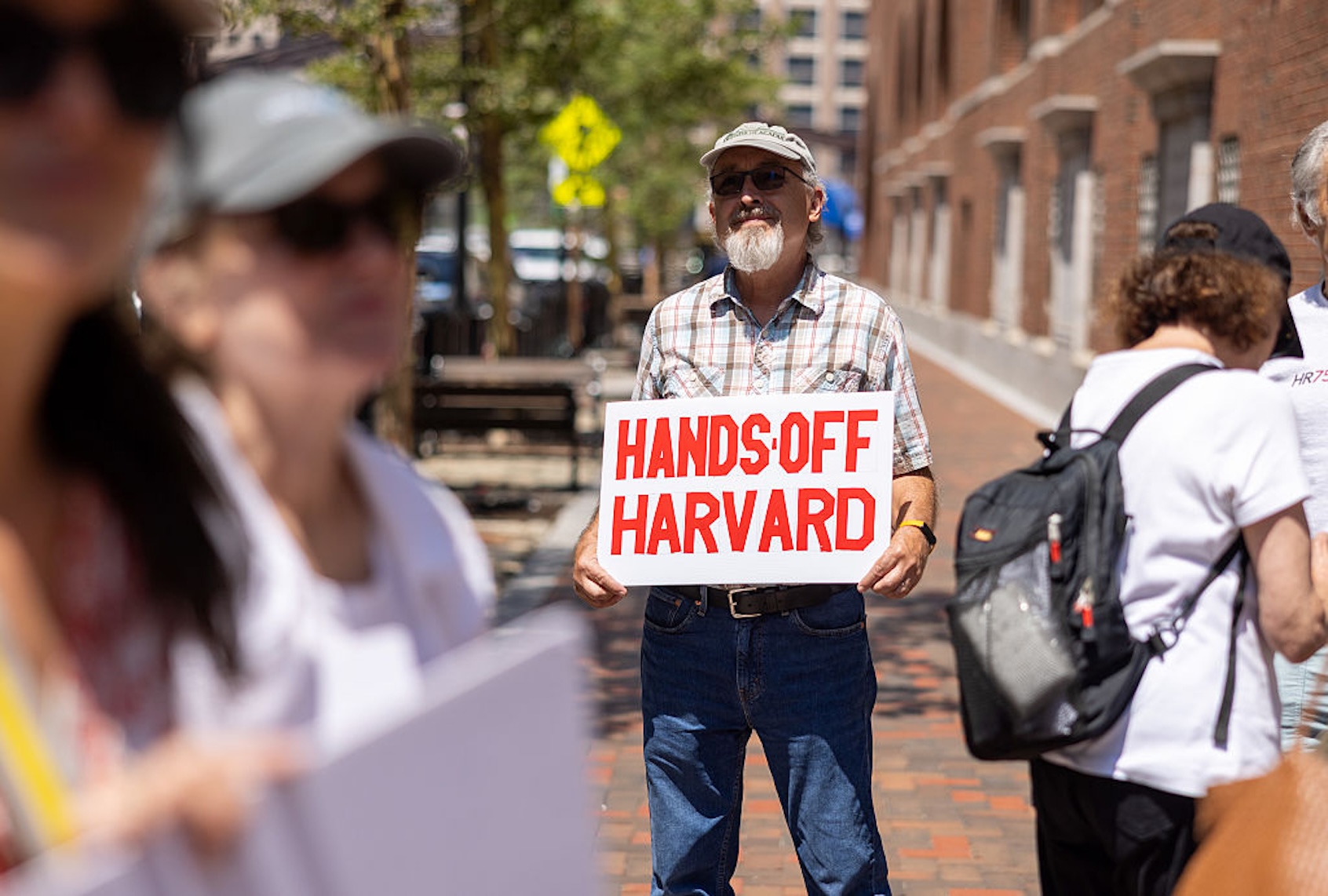
The Legal Battle Over Harvard and Trump’s Federal Funding
Last week, a federal judge in Boston listened to oral arguments in a high-stakes legal case involving Harvard University and the Trump administration. The lawsuit centers on Harvard's challenge to restrictions placed on its federal research funding. With over $2 billion at stake, this case also touches on critical issues of scientific research, academic freedom, and the autonomy of private institutions.
The arguments were for summary judgment, meaning both sides agree on the facts but disagree on how the law applies to them. Neither Harvard nor the Trump administration disputes that the president made specific demands on the university, accompanied by threats if they didn’t comply. Harvard refused to comply and instead chose to sue.
This case could eventually reach the Supreme Court, which will determine the final outcome. If the court’s conservative majority continues to support the “unitary executive theory,” which claims the president has absolute control over the executive branch, it could significantly impact the long-standing tradition of ideological freedoms in the United States.
The Demands Made by the Trump Administration
The dispute began in April when the Trump administration threatened to withhold billions in federal funding from Harvard, place a lien on university assets, and put academic departments in receivership unless the university met a long list of demands. These included:
- Exclusively promoting faculty committed to Harvard’s mission and Trump’s viewpoints.
- Submitting to a Trump administration review of “viewpoint diversity.”
- Scrutinizing programs and departments that might fuel “antisemitic harassment.”
- Submitting all faculty to outside review for alleged “plagiarism.”
- Submitting to a comprehensive hiring and review audit conducted by the federal government.
- Implementing a mask ban and suspending anyone who wears a mask.
- Reporting on any faculty members who “discriminated against” Jewish or Israeli students.
- Screening student applicants to reject those with views “hostile” to the policies of the Trump administration and Israel.
- Establishing outside review for programs that reflect “ideological capture.”
- Diminishing the influence of professors over the university.
- Implementing “merit-based” hiring and admissions policies that please the Trump administration.
Legal Arguments and Constitutional Concerns
During the hearing, Michael Velchik, the Justice Department lawyer, argued that the administration has the right to decide where to spend taxpayer money and that it can terminate contracts with universities that don’t meet its standards. He claimed that the government is not required to fund research at institutions that fail to address antisemitism to its satisfaction.
On the other hand, Steven Lehotsky, Harvard’s counsel, emphasized that Trump’s demands represent a clear violation of the First Amendment. He argued that viewpoint discrimination is considered “presumptively unconstitutional” by the Supreme Court.
Judge Allison D. Burroughs raised important questions about the connection between antisemitism and the methods used to combat it. She asked how cutting off unrelated cancer research funding relates to addressing antisemitism, noting that the president is not taking away grants from labs that have been antisemitic.
An amicus brief filed by Jewish scholars highlighted concerns that Trump uses “antisemitism” as a cover to suppress free speech, thought, and association. Many Jewish scholars reject the idea that being Jewish requires adherence to specific Zionist views or support for the Israeli government.
The Broader Implications
If the Supreme Court allows the government to punish universities without due process simply because of their political stance, the constitutional consequences would be “staggering.” At the core of this case are fundamental questions: Can the federal government control what is taught in classrooms and what is said on campuses? Can it withhold funds based on disagreement with expressed viewpoints?
If the answer is no, then the Constitution remains intact, and Trump would join centuries of presidents who had to tolerate criticism. However, if the answer is yes, the First Amendment could fall, leading to the imposition of right-wing ideology across campuses, boardrooms, and media. This would be catastrophic, serving only a “madman’s lust for power and revenge.”
The outcome of this case could determine the future of American democracy.

Post a Comment for "Harvard's Lawsuit Threatens Democracy"
Post a Comment