Hanford Reach's 25th Anniversary: Preservation More Vital Than Ever
A Legacy of Preservation: The Hanford Reach National Monument Turns 25
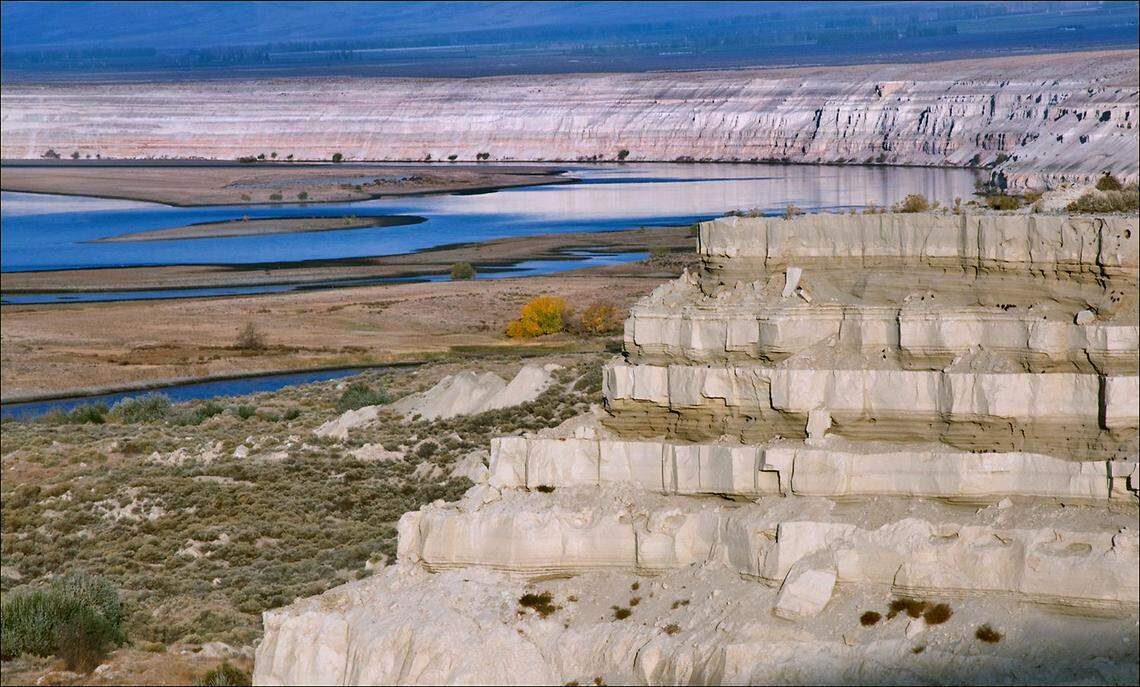
The Hanford Reach National Monument, a beloved horseshoe-shaped wilderness area in the Mid-Columbia region, is celebrating its 25th anniversary this year. Known for its towering bluffs, rolling sand dunes, and pristine shrubsteppe vistas, the monument has become a symbol of natural beauty and historical significance. Since June 2000, approximately 196,000 acres of untouched land outside the Hanford nuclear site have been protected under a presidential decree, preserving the area for its cultural, ecological, and historical value.
The creation of the monument was made possible through the American Antiquities Act, signed into law by the Clinton Administration. This decision marked a significant victory for conservationists and local communities who had long fought to protect the area from development and industrial encroachment.
On Wednesday, U.S. Sen. Patty Murray, a strong advocate for the monument, expressed her pride in the continued efforts to preserve the Hanford Reach. She highlighted that despite changes over the years, the area remains a testament to the hard work of the community. "Even though a lot has changed after 25 years, one thing has not changed: The Hanford Reach," she said, while standing on the shores of the Columbia River near the Reach Museum in Richland.
The anniversary comes at a time when public lands across the United States are increasingly threatened by commercialization and potential sales. Additionally, the event coincides with a period of transition following the passing of Richard Steele, a fierce advocate known as the "riverkeeper" who dedicated six decades to protecting the Hanford Reach.
Murray shared her first boat trip along the river with Steele, which inspired her to fight for the area's preservation. She referenced historian Richard White's observation that "abundant wildlife thrives in the shadows of the reactors and processing plants." For Murray, the Reach represented a connection to the past and a commitment to future generations.
The celebration was organized by the Hanford Reach Citizens Committee and former Save the Reach activists, with a special memorial honoring Steele’s contributions. U.S. Rep. Dan Newhouse also praised the monument, calling it a "treasure in our region" worth protecting. He emphasized the area's rich history and natural beauty, stating that he has worked to ensure its continued enjoyment for visitors and residents alike.
A Long History of Advocacy
Despite being only 25 years old, the Hanford Reach has a much longer history. Grassroots advocates spent 15 years working to preserve the area before it was officially protected. Kathy Criddle of the Lower Columbia Basin Audubon Society recalled the efforts of activists who handed out "Save the Reach" bumper stickers and organized letter-writing campaigns. They also gave thousands of slide show presentations to raise awareness about the area's beauty.
The decision to create the monument was initially controversial, with some local representatives opposing it. However, over time, the focus shifted to access, particularly around Rattlesnake Mountain. During the monument's christening, then-Vice President Al Gore emphasized the importance of preserving these lands for future generations.
Today, the site features few utilities, trails, and well-maintained roads. On the western bank of the Columbia River, the Hanford site's nuclear reactors remain a stark contrast to the natural landscapes on the other side. Before the Manhattan Project, the area was home to Native American communities and European farmers. The creation of the Hanford site displaced these communities in the early 1940s.
The lands that make up the monument were originally designated as a buffer zone, which helped in their preservation. The U.S. Department of Energy used the 580-square-mile Hanford site for plutonium production during World War II and the Cold War. However, the process left the area heavily contaminated, and taxpayers continue to spend about $3 billion annually on cleanup efforts.
A Biodiversity Haven
Despite the contamination, the Hanford Reach is home to a remarkable array of wildlife and plant species. More than 700 plant species, 40 mammals, nearly 250 birds, nine reptiles, and over 1,600 invertebrates have been documented in the area. The river supports about 40 fish species, including threatened and endangered salmon and trout.
The monument provides critical habitat for various animals, such as burrowing owls, sage sparrows, loggerhead shrikes, ferruginous hawks, black-tailed jackrabbits, and sagebrush lizards. Rare native plant communities found here are unmatched in the Columbia Basin.
Juliette Fernandez, assistant regional director of the National Wildlife Refuge System, noted that more than 67,000 acres of the monument are open to the public for activities like hiking, hunting, fishing, and horseback riding. "This landscape has always been alive, but because of your efforts, it also now speaks," she said to attendees at the anniversary event.
A New Generation of Advocates
In recognition of the 25th anniversary, the Seattle Times highlighted the "riverkeeping" Steele family and their two generations of advocacy. Todd Steele, the son of Richard Steele, took Senator Murray on a boat ride along the Hanford Reach. During the trip, they observed challenges such as agricultural erosion and invasive species, but also the enduring beauty of the area.
Todd still feels he hasn't fully taken on his father's role as a "riverkeeper," acknowledging the efforts of others like Mike and Karyn Wiemers. However, he remains committed to the cause, aiming to secure permanent protection for the Reach, possibly as a national park.
As the Hanford Reach National Monument continues to thrive, it stands as a powerful reminder of the importance of preserving natural spaces for future generations.

Post a Comment for "Hanford Reach's 25th Anniversary: Preservation More Vital Than Ever"
Post a Comment