Hamas Spokesperson: Israel's Top Anchor Condemned for Calling Gaza Hunger a Moral Failure
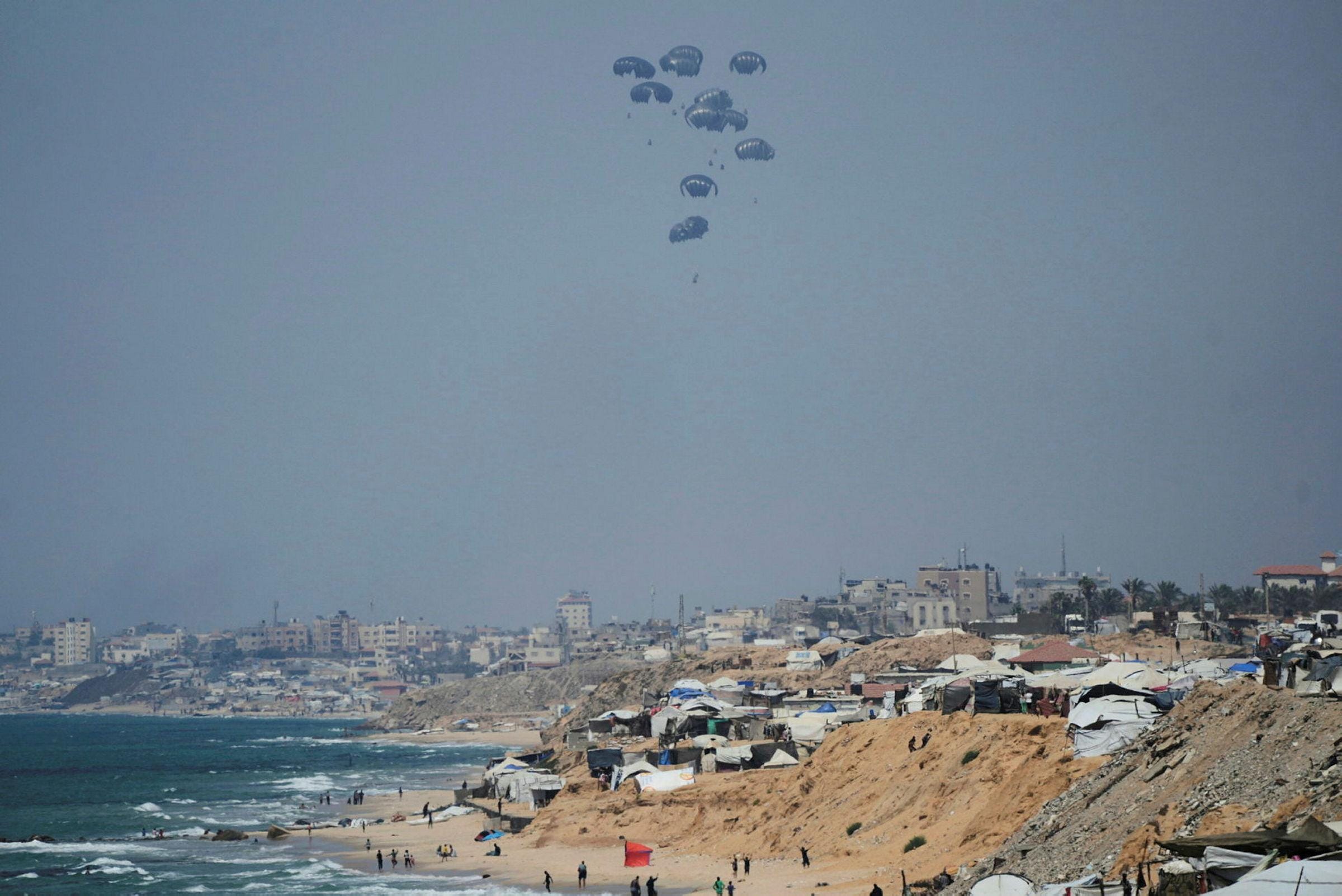
Shift in Israeli Media Coverage of Gaza Crisis
Recent on-air comments by a prominent Israeli news anchor have sparked significant debate and highlighted a potential shift in how Israeli media is addressing the humanitarian situation in the Gaza Strip. Yonit Levi, a well-known figure on Israel's Channel 12 news program, made remarks that stood out for their directness and contrast with typical narratives.
A Rare Critique from a Mainstream Anchor
During a broadcast, Levi addressed the issue of hunger in Gaza, suggesting that the crisis was a "moral failure" rather than a public relations problem. This statement was particularly notable given the usual framing of such issues in mainstream Israeli media. Her comments came after a segment that covered international media reports on the conditions in Gaza, where she emphasized the need to approach the issue from a moral standpoint.
Levi’s remarks were not isolated. Earlier in the same program, she commented on humanitarian aid efforts, stating that the images being shown were "not just bad – they are bad." These statements marked a departure from her usual tone, which has often aligned with official narratives regarding the conflict in Gaza.
The Context of Changing Narratives
The shift in Levi’s comments reflects a broader trend within Israeli media. In recent weeks, there has been growing pressure from both international observers and domestic activist groups to address the humanitarian impact of the conflict more directly. Organizations like Standing Together have called for more honest and transparent coverage of the situation in Gaza.
While many government-aligned channels continue to present narratives that align with official positions, some outlets, including Channel 12, have started to air more critical content. This includes in-depth reports on the challenges faced by civilians in Gaza, which have begun to challenge the traditional framing of the crisis as primarily a matter of public diplomacy.
Reactions and Backlash
Levi’s comments quickly drew attention from various quarters. Right-wing pundits and political figures criticized her for what they perceived as an alignment with Hamas perspectives. Some accused her of undermining Israel’s public image and giving legitimacy to the group's narrative.
Columnists and media personalities took to social media to express their disapproval. One columnist called her "sanctimonious," while another suggested that the role of a Hamas spokesperson was unnecessary. Additionally, some musicians known for their political activism also voiced their criticism, accusing Levi of betraying the values of the IDF and spreading anti-Israel sentiment.
On the other hand, some journalists and commentators pointed out the contradictions in Levi’s remarks. They noted that her comments seemed at odds with the network’s usual stance, suggesting that her perspective might reflect a broader internal debate within the media.
Implications for Media Coverage
The controversy surrounding Levi’s comments underscores the evolving landscape of media coverage in Israel. As global attention turns to the humanitarian crisis in Gaza, there is increasing pressure on journalists to report on the realities faced by civilians. This shift may lead to more diverse and nuanced reporting, even if it creates discomfort among certain segments of the audience.
In conclusion, the recent developments in Israeli media coverage of the Gaza war indicate a complex interplay between official narratives, public opinion, and the influence of international events. The comments by Yonit Levi serve as a reminder of the ongoing challenges in balancing journalistic integrity with political considerations.

Post a Comment for "Hamas Spokesperson: Israel's Top Anchor Condemned for Calling Gaza Hunger a Moral Failure"
Post a Comment