Half of Parents of Disabled Kids Struggle with Suicidal Thoughts and No Help
The Hidden Struggles of Caregivers
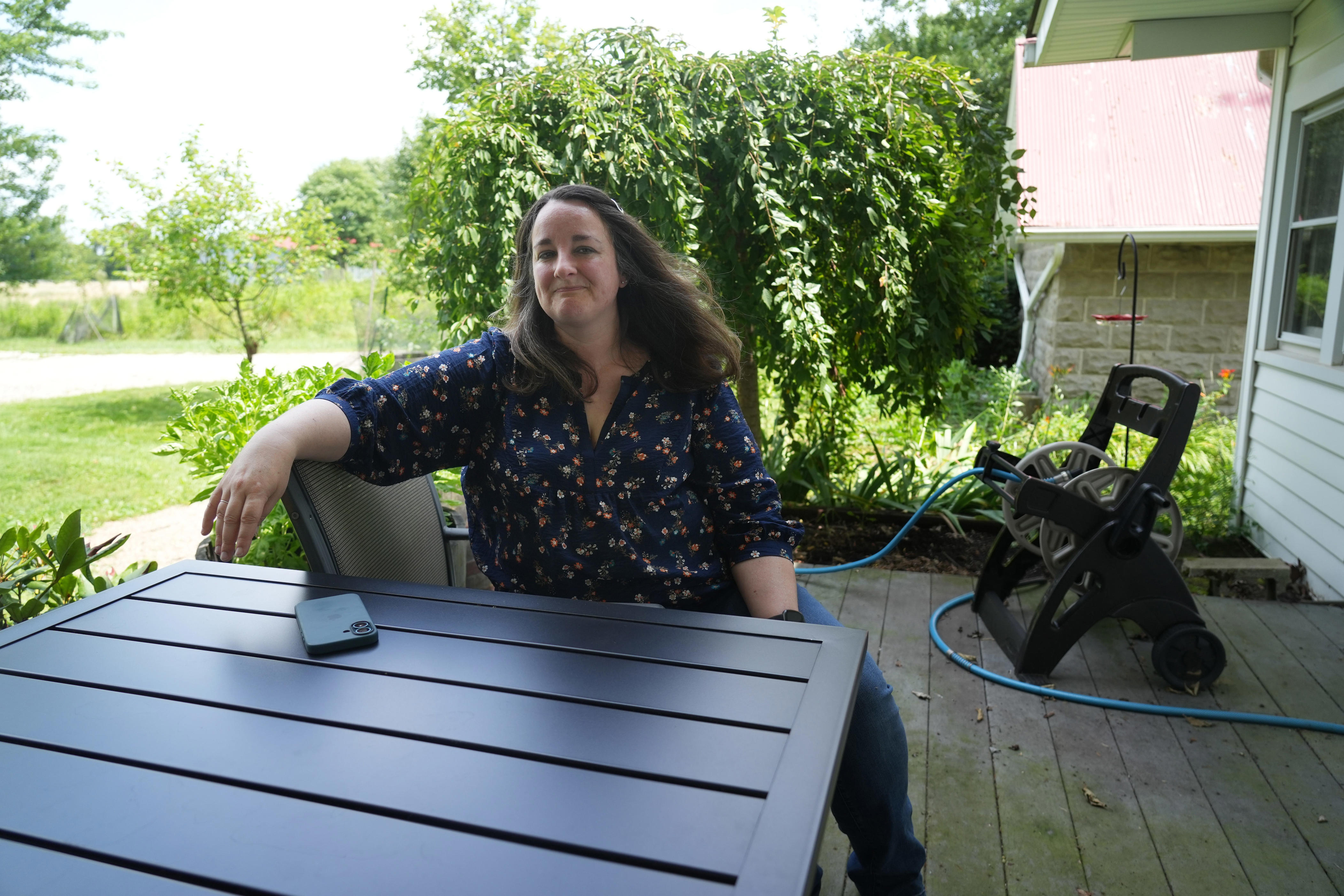
When Angie Scheu needs a moment of peace, she retreats to her back porch in Westerville, Ohio. There, she listens to the birds and watches her basil plant and apple tree. These small moments offer her a sense of calm amidst the chaos of motherhood. She has three daughters: Evelyn, 17; Sophia, 14; and Rachel, a 4-year-old with Down syndrome. Despite the challenges, she loves being a mom.
Scheu, 44, has had thoughts of suicide three times: once 30 years ago, again in 2021, and most recently in the fall of 2024. In those moments, she questioned whether she would be better off gone. She explained that these thoughts often come after periods of feeling overwhelmed, hopeless, and helpless.
According to the CDC, an estimated 4.3% of the U.S. population experiences suicidal thoughts. However, among caregivers, rates can be significantly higher. For instance, parents of children with disabilities report 42% experiencing suicidal ideation, veterans’ caregivers at 23.6%, and dementia caregivers at 32%. A 2024 study found that more than half (53%) of parents of disabled children who experienced suicidal thoughts had never shared them with anyone.
Wendy Martinez Farmer, VP of 988 Strategy, Grants and Clinical Standards, emphasized that many caregivers feel guilty for feeling overwhelmed. “But we need to normalize the conversation that these feelings are very normal,” she said. Scheu has never had a plan to harm herself, but she has always been able to talk herself out of her thoughts within a day. She has only told her mom and husband about these thoughts, keeping details to herself to avoid worrying her family.
In an ideal world, Scheu would return to therapy, but for now, it's not an option. Adult caregivers often report worse mental health outcomes, yet they frequently sacrifice their own wellbeing. Factors that increase the risk of suicidal ideation among caregivers include pre-existing mental health struggles, high care burdens, exhaustion, social isolation, stress, and feelings of entrapment. Losing the person they cared for can also lead to feelings of purposelessness.
A 2016 study found that over half of hospice and palliative social workers reported working with caregivers who exhibited warning signs of suicide. During the pandemic, 30.7% of unpaid caregivers seriously considered suicide, compared to 10.7% of the general population. Caregivers also reported worse mental health outcomes and increased substance use.
Lindsay Jurist-Rosner, co-founder and CEO of Wellthy, noted that caregivers often don't have time to rest or take care of their personal needs. “Sometimes being a mom means your needs come last,” Scheu said. “I think that’s something just about every mom can shake her head yes to.”
Financial barriers also prevent caregivers from seeking mental health help. Many caregivers call the 988 helpline on behalf of someone else, such as a mother seeking resources for her child. While access to crisis support is lifesaving, Jurist-Rosner argues that talk therapy isn't the only solution. Tangible support, like financial assistance and relief from administrative tasks, is crucial.
Scheu tried online therapy in 2023 after closing her sustainable home goods store due to the stress of parenthood. However, when her husband’s insurance ran out, she couldn’t continue. Her daughters have numerous health conditions requiring frequent doctor visits, making it difficult to prioritize her own mental health.
Shairi Turner, Chief Health Officer at Crisis Text Line, expressed concerns about Medicaid cuts impacting caregivers. “Those are going to impact the care of the underserved,” she said. “Many caregivers rely on Medicaid to support or supplement the people they’re caring for.”
While the majority of America’s caregivers are women, more men are taking on caregiving roles. Gary Barker, CEO of Equimundo, highlighted that men facing financial strain are 16 times more likely to report suicidal thoughts. However, men are far less likely to seek help. “It really pays off if we teach young boys and men how to deal with their feelings and practice mindfulness,” Barker said.
Scheu works part-time at a nonprofit, managing her schedule around her daughters’ needs. Her days are filled with worry about their health and the family budget. “It’s easy to catastrophize,” she said. “I try not to allow myself to go down that path anymore... there are too many people that rely on me.”
Her front door displays a sign that reads, “Welcome to Camp Chaos.” Inside, Rachel’s toys litter the floor and her laughter fills the air. But on her back porch, Scheu finds stillness. She reminds herself: “This is temporary.”

Post a Comment for "Half of Parents of Disabled Kids Struggle with Suicidal Thoughts and No Help"
Post a Comment